
Watering
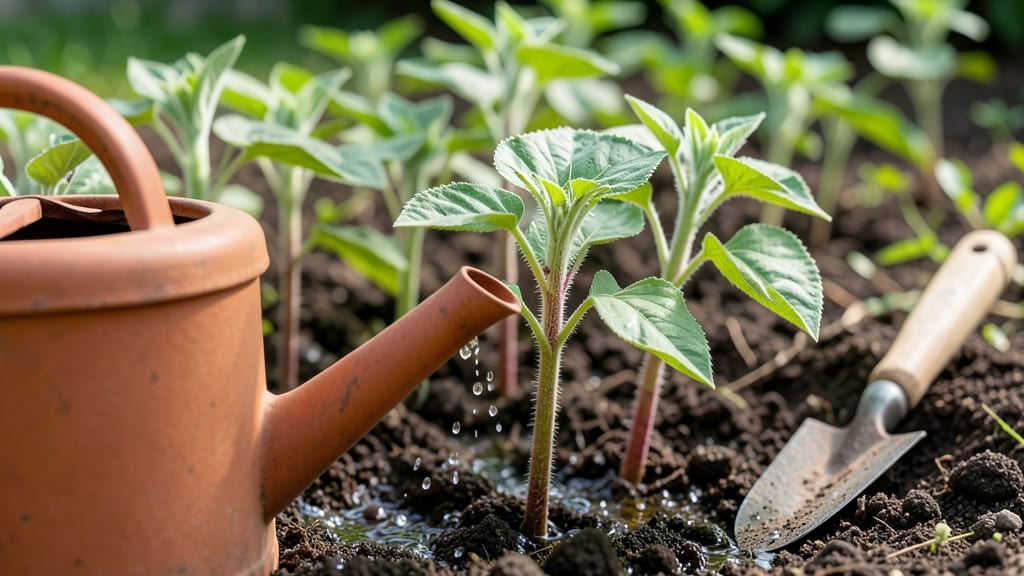
To water sunflower seedlings correctly, you don’t need a crystal ball—just a simple 2-3 inch soil test and a few key rules. Those delicate 🌻 sprouts demand moisture, but too much water can suffocate their roots before they even reach for the sky.
The trick? Balance is everything, and getting it right starts with understanding when the soil is thirsty and when it’s drowning.
I’ve learned the hard way that skipping this step leads to either wilted seedlings or moldy soil—neither of which helps your sunflowers grow into those towering giants you’re dreaming of.
What you’re about to discover is the exact method I use to keep my seedlings happy, whether they’re just peeking through the dirt or stretching toward the sun.
We’ll break down the soil test method, how often to water based on age and weather, and the telltale signs that your seedlings are either parched or soggy. No more guessing—just science-backed steps to ensure your sunflowers get the perfect amount of water, every time.
Ready to master the art of watering? Let’s dive into the simple routine that’ll give your seedlings the strong start they need—without the risk of overdoing it.
The 2-3 inch soil test method for watering sunflower seedlings
Sunflower seedlings are delicate but resilient—getting their watering routine right is the key to strong stems and vibrant blooms. The 2-3 inch soil test method is my go-to technique because it checks moisture where roots actually live, not just at the surface.
This simple trick prevents both overwatering (which causes rot) and underwatering (which stunts growth). Let’s dive into how to do it perfectly.
Most gardeners make the mistake of watering based on a schedule rather than soil conditions. Sunflower seedlings need consistent moisture but hate soggy soil. The 2-3 inch test tells you exactly when to water by measuring moisture at the root zone.
You’ll need just two tools: your finger (for the budget-friendly method) or a moisture meter (for precision). Both work, but fingers give you tactile feedback that meters can’t.
How Often to Water Sunflower Seedlings by Age
-
1
0-2 Weeks (Germination Stage)
Keep soil evenly moist—water every 1-2 days or when the top ½ inch feels dry. Use a spray bottle for gentle hydration.
-
2
2-4 Weeks (Seedling Growth)
Test 2-3 inches deep—water when soil feels dry to the touch. Aim for every 2-3 days, but adjust for weather (more in heat, less in rain).
-
3
4+ Weeks (Established Plants)
Reduce to every 3-5 days, watering deeply to encourage root development. Let the top 1 inch dry out between waterings to prevent fungal issues.
-
4
Pro Tip: Morning Watering
Always water in the early morning (before 10 AM) to let foliage dry by nightfall, reducing disease risk. Avoid evening watering—it invites mold.
Here’s how to perform the 2-3 inch soil test like a pro: Stick your finger into the soil near the seedling’s base (but not touching the stem). If the soil feels dry or crumbly, it’s time to water.
If it’s cool and damp, wait another day. For container-grown seedlings, lift the pot—if it’s light, water immediately. This method works for both garden beds and pots.
If you’re using a moisture meter, insert the probe to the 2-inch mark and wait for the reading. Most meters show three zones: dry (water now), moist (wait), or wet (hold off).
I love meters because they remove guesswork, but fingers work just as well once you get the feel. For sandy soil, you’ll water more often (every 1-2 days), while clay soil holds moisture longer (every 3-4 days).
Watch for yellowing leaves or wilting—these are your seedlings’ SOS signals. Yellowing often means overwatering, while wilting (especially in the afternoon) usually means underwatering. Sunflowers are forgiving, but consistency is key.
Stick to the 2-3 inch test, and you’ll avoid both extremes. Pro tip: Mulch around seedlings with straw or grass clippings to retain moisture and reduce evaporation.
Climate plays a huge role in watering frequency. In hot, dry climates (like Arizona), you might water daily for young seedlings, while in humid regions (like the Pacific Northwest), you could stretch it to every 4 days.
Always adjust based on weather forecasts—a week of 90°F+ heat means more frequent watering, while cool, cloudy days let you dial it back.
One common mistake is watering the leaves instead of the soil. Always aim for the base of the plant to prevent fungal diseases like powdery mildew. Use a watering can with a narrow spout or a gentle hose attachment to direct water where it counts.
For container seedlings, water until you see moisture drain from the bottom—this ensures roots get hydrated, not just the topsoil.
As your sunflower seedlings grow, you’ll notice their water needs shift. Early on, they’re tiny and need frequent sips, but by 4-6 weeks, they’re ready for deeper, less frequent watering. This transition mimics natural rainfall patterns and builds stronger root systems.
Think of it like training for a marathon: gradual, consistent care leads to taller, healthier sunflowers that can handle drought later in the season.
Remember, the goal isn’t to keep soil permanently wet—it’s to provide consistent moisture at the right depth. Overwatering is just as deadly as underwatering for sunflowers. With the 2-3 inch test, you’ll master the balance and watch your seedlings grow into sunshine-loving giants that reach for the sky.
Signs of overwatering vs. underwatering in sunflower seedlings
Sunflower seedlings can be tricky to water—too little and they wilt, too much and their roots suffocate. The first clue is always in the leaves. Yellowing leaves with a mushy texture? That’s a red flag for overwatering.
On the flip side, crispy, dry leaves or wilting by midday mean your seedlings are thirsty. Both extremes stress your plants, but knowing the difference helps you act fast.
I’ve seen my own seedlings turn from vibrant green to sad and soggy in just a few days when I overwatered. The key is checking the soil’s moisture level—not just the surface.
Stick your finger 2-3 inches deep; if it’s damp, hold off on watering. If it’s bone-dry, it’s time to hydrate. This simple test saves seedlings from drowning or drying out.
How Often to Water Sunflower Seedlings
- Water morning only
- Check soil 2-3 inches deep
- Use well-draining soil
- Water deeply (1-2 gallons)
- Water at night (fungus risk)
- Let soil stay soggy for days
- Use hard water (high salts)
- Skip watering when soil is dry
💧 Pro Tip: Use a spray bottle for tiny seedlings to avoid disturbing soil.
Overwatered seedlings often develop mold or fungus on the soil surface, especially in humid conditions. You might also notice a foul smell—like rot—emitting from the soil. If you see black or brown spots on leaves, it’s a sign of root rot, which can kill seedlings quickly.
To fix this, let the soil dry out slightly between waterings and ensure your pots have drainage holes.
Underwatered seedlings, on the other hand, show stress through drooping leaves and a dull, grayish-green color. The soil around them will pull away from the pot edges, and the stems may feel brittle to the touch.
If you’ve missed watering for a day or two, give them a thorough soak and place them in a shaded spot to recover. Mulching around the base helps retain moisture and prevents rapid drying.
One of my biggest mistakes was ignoring the soil’s texture. Clay soil holds too much water, while sandy soil drains too fast. Amending your soil with compost can improve drainage and moisture retention, giving your seedlings the perfect balance.
Always adjust your watering based on what your soil type demands—consistency is key.
Remember, sunflower seedlings are resilient, but they need your help to stay on the right track. A quick daily check for leaf color, soil moisture, and root health will keep them thriving.
When in doubt, it’s better to underwater slightly than to drown them—your sunflowers will thank you with those iconic bright yellow blooms come summer. 🌻