
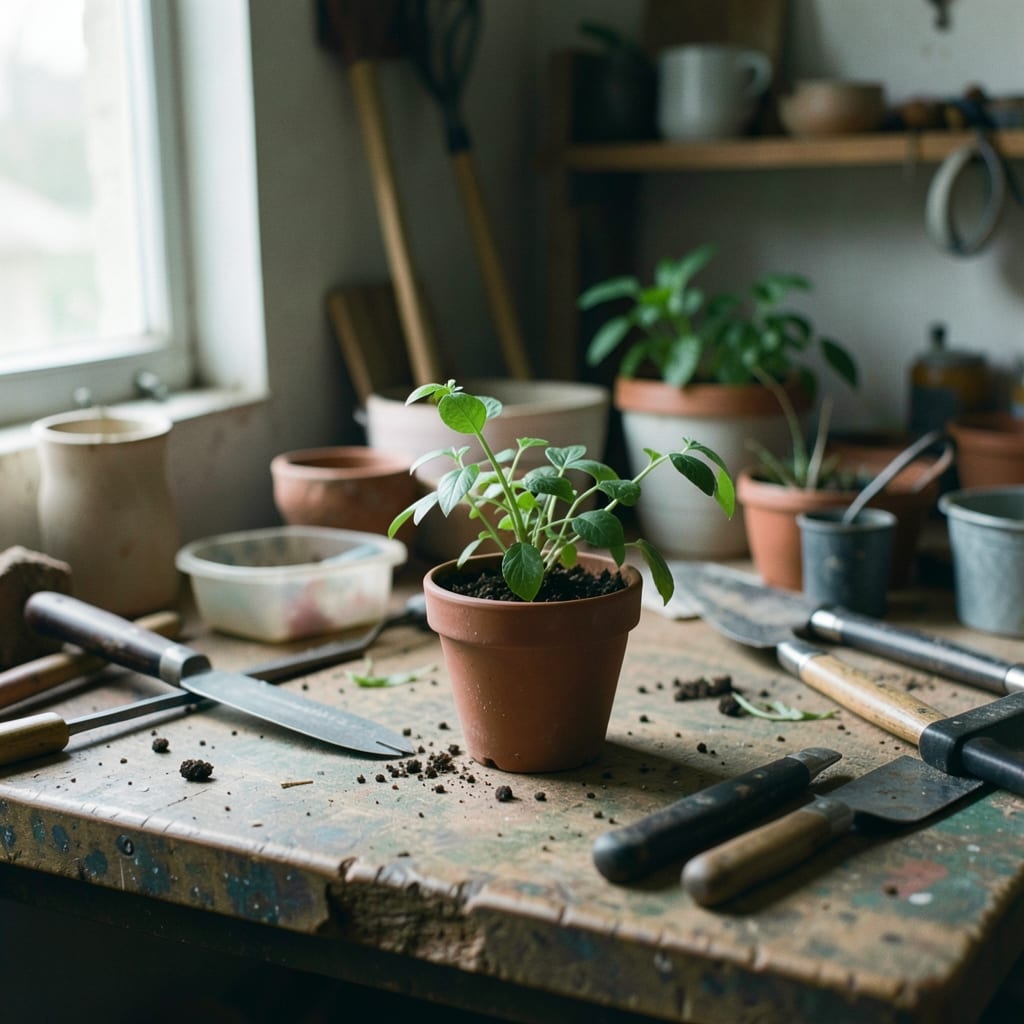
It started with one plant that kept failing
The first time I planted a *Calendula officinalis*, I was sure it would thrive. The packet promised vibrant blooms in weeks, and I followed the instructions exactly: well-draining soil, full sun, and watering only when the top inch dried.
But three weeks in, the seedlings had turned pale, their stems weak and rubbery. The leaves curled at the edges, as if scorched from within—though the sun had been gentle that spring.
I replanted them in a shadier spot, convinced the light was too harsh. The soil was tested, the pH balanced, even the water was filtered. Still, the same thing happened: stunted growth, yellowing leaves, and a stubborn refusal to bloom.
The neighbors’ calendulas thrived in the same conditions, their petals bright as fire. Mine looked like they were slowly giving up.
It wasn’t until I dug deeper—literally—that I found the real problem. The soil beneath my raised bed was compacted from years of neglect, and the roots couldn’t breathe. The plants weren’t dying from neglect; they were suffocating. That failure wasn’t just a setback.
It was the first lesson in a garden that would teach me everything.
Nine tries before it worked
The first five attempts all ended the same way: pale stems, curled leaves, and a stubborn silence where blooms should have been. I adjusted the watering schedule—too much, then too little—each time convinced I’d cracked the code.
The sixth try, I loosened the soil with compost and worm castings, but the roots still struggled. By the seventh, I’d added a layer of sand to improve drainage, only to watch the seedlings wilt faster than ever.
The eighth attempt was a disaster: I over-fertilized, and the plants burned from the inside out.
It wasn’t until the ninth planting that I finally got it right. I combined aerated soil with a slow-release fertilizer, kept the bed consistently moist but not soggy, and—most importantly—I stopped digging. Instead of disturbing the roots, I let them spread naturally in the amended soil.
Two months later, the first orange blooms opened, bright and unapologetic. The lesson wasn’t just about calendulas. It was about patience, observation, and the quiet work of fixing what’s broken before it’s too late.
That single plant became a turning point. It taught me that gardening isn’t about following instructions—it’s about listening to what the earth tells you when you’re wrong. And it’s why every tip, every guide, and every failure here is rooted in the same truth: the soil always knows best.
The mind behind these pages

I’m Roland Dellinger, and I’ve spent the last decade with my hands in the dirt, learning that gardening is less about green thumbs and more about stubborn curiosity. The first time I pressed a seed into soil and watched it sprout, I felt something like magic.
Now, I’m here to share that same wonder with you—whether you’re just starting or you’ve already lost count of the seasons.
I’m the kind of person who tries something nine times before giving up. My grandmother used to say I had the persistence of a terrier with a bone, and she wasn’t wrong.
That habit cost me more than a few failed plants—it cost me time, patience, and more than one ruined batch of compost. But it also taught me that the most rewarding things in life don’t come from doing things right the first time.
They come from refusing to quit when they don’t.
I don’t garden for perfection. I garden for the mess of it—the overgrown beds, the weeds that outsmart you, the flowers that bloom anyway. There’s a quiet joy in that imperfection, in the way a garden reminds you that growth isn’t linear, and neither should your approach to it be.
That first calendula? It’s still growing in my garden. Every year, it comes back stronger, brighter, and a little less stubborn than I am.
Everything here is written the way that plant was
Every guide, every troubleshooting tip, and every ‘how-to’ on this site follows the same rule: it’s tested at least three times before it’s trusted. That calendula didn’t just teach me how to grow it right—it taught me how to write about it.
The first drafts of these pages are written in the dirt, with notes scribbled on the back of seed packets after a season’s worth of trials. What survives is what worked, what failed, and what the earth itself corrected.
Months later, when a page finally goes live, it’s not because the process is perfect. It’s because the process is honest. The soil amendments that saved that first calendula? They’re in the notes. The compost ratios that turned a dead bed into a thriving one? They’re here, too.
Gardening isn’t about hiding the mistakes—it’s about learning from them and sharing the truth of how things actually grow.
So if you’re looking for a garden that blooms on schedule or a soil mix that promises instant results, you’ve come to the wrong place.
What you’ll find instead is the real work: the dirt under the nails, the seasons that don’t cooperate, and the quiet satisfaction of a plant that finally—*finally*—does what it’s supposed to do.
What that means for you
Here, you won’t find step-by-step guides that assume your garden is a textbook. You’ll find the lessons learned after the third try, the fourth, the one where you almost gave up.
Every page is built on the same principle: if it hasn’t been tested in real soil with real hands, it’s not worth sharing. That means no vague advice, no ‘best practices’ that ignore your climate or your soil. Just what works—and why.
What you *won’t* find is a garden that grows without struggle. There are no shortcuts, no magic fertilizers, and no promises of instant blooms.
But there *is* a community of people who’ve learned the hard way that the best gardens—and the best lessons—come from paying attention, asking questions, and refusing to quit when the going gets tough.
Send me a photo and a few details—what you’ve tried, what’s not working—and I’ll help you diagnose it. The best lessons come from the gardens that refuse to behave, and yours might be the next one we learn from.
The guides are grouped by category: Advice, Aphids, Blooming, Companion Plants, Container Gardens and Flowers.