
Blooming
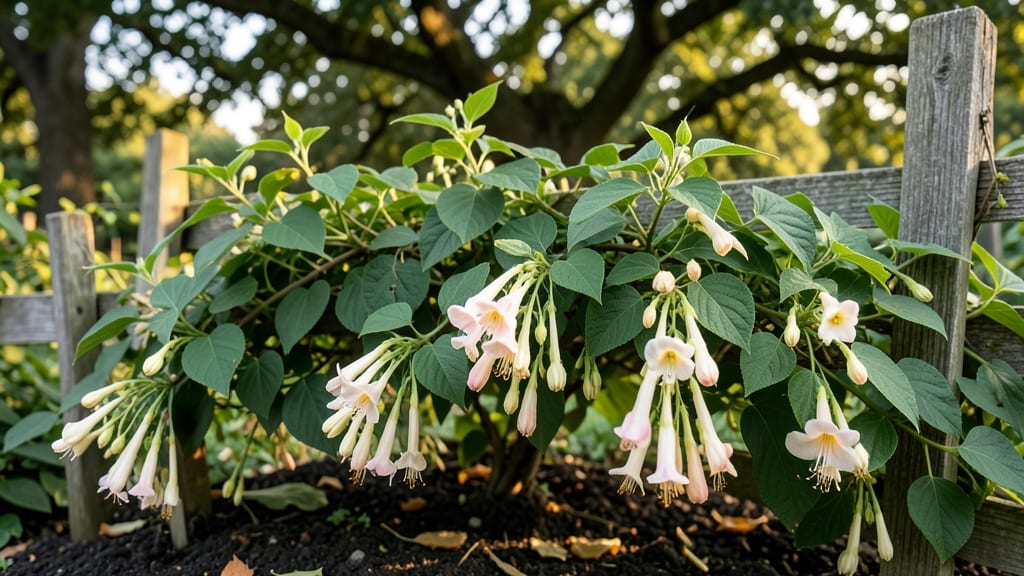
When do honeysuckle varieties bloom? A seasonal breakdown
Timing your honeysuckle blooms can turn your garden into a fragrant haven months earlier than you’d expect. The key lies in selecting cold-hardy varieties that thrive in your USDA hardiness zone.
Some varieties burst into bloom as early as late April, while others wait until summer’s peak. Understanding these seasonal windows helps you plan for the most vibrant displays.
For gardeners in Zones 4-7, early bloomers like Coral Honeysuckle (Lonicera sempervirens) and Heckrott’s Honeysuckle (Lonicera x heckrottii) are game-changers. These spring ephemerals often flower before leaves fully emerge, offering a fragrant spectacle when other plants are still dormant.
Meanwhile, late-season varieties extend your blooming window into fall, creating a continuous show.
Climate plays a crucial role in bloom timing. In cooler northern regions, honeysuckle may wait until late May or June to flower, while warmer southern zones can enjoy blooms as early as March or April.
Even within the same zone, microclimates—like sunny slopes versus shaded valleys—can shift bloom times by 2-4 weeks.
Here’s a quick breakdown of what to expect from your honeysuckle varieties, organized by seasonal bloom windows and hardiness zones:
If you’re in Zone 5 or below, prioritize Coral Honeysuckle or Winter Honeysuckle for early blooms. These varieties often flower 4-6 weeks earlier than traditional summer-blooming types.
For southern gardeners in Zones 8-10, varieties like Belgica Honeysuckle thrive in hotter climates, extending your blooming season well into fall.
To maximize bloom time, plant honeysuckle where it receives at least 4-6 hours of sunlight daily. While they tolerate partial shade, too little light delays flowering. Amend your soil with compost before planting to ensure nutrients support vigorous growth.
Mulch around the base to retain moisture and regulate soil temperature, which can advance bloom times by 1-2 weeks.
For repeat blooming, prune spent flowers in early summer. This encourages new growth and prolongs the flowering season by 3-4 weeks. Avoid heavy pruning in late fall, as it removes next year’s flower buds. Instead, focus on light shaping cuts to maintain airflow and reduce disease risk.
Watch for bud drop in late spring, a sign of stress from temperature swings or poor drainage. If this happens, adjust your watering schedule to keep soil consistently moist but not soggy. A well-draining soil mix with added organic matter can prevent this issue entirely.
With the right variety and care, your honeysuckle can bloom from January to September, creating a fragrant garden oasis all season long. Start by selecting cold-hardy types for your zone, then fine-tune with sunlight and soil adjustments.
The result? A garden that wakes up to color and scent months before traditional bloomers ever appear.
5 Cold-hardy honeysuckle varieties that bloom early (with care tips)
Early blooming honeysuckle varieties can bring spring fragrance to your garden months ahead of schedule. These cold-hardy champions thrive in Zones 4-8 and often flower before most garden plants even think about blooming.
The secret lies in selecting varieties like Winter Honeysuckle and European Honeysuckle, which push their flowering windows to January or late April.
What makes these varieties stand out? Their ability to survive winter dormancy while storing energy for early spring blooms. Unlike summer-blooming types, these cold-hardy varieties often produce highly fragrant flowers that attract pollinators when few other plants are in bloom.
This creates a scented garden oasis that starts as early as January in mild winters.
- 1
- 2
- 3
- 4
- 5
To maximize early blooming, plant these varieties in south-facing locations where they receive at least 6 hours of sunlight daily. Amend your soil with compost before planting to provide essential nutrients that support early growth.
For Winter Honeysuckle, choose a spot with morning sun and afternoon shade to prevent winter desiccation.
Pruning plays a crucial role in encouraging early blooms. For varieties like Winter Honeysuckle, prune in late winter to remove dead wood while preserving flower buds.
For summer-blooming types, prune immediately after flowering to redirect energy to next year's blooms. Always use sterilized pruners to prevent disease spread between cuts.
Water deeply once weekly during establishment, then reduce to every 10-14 days once established. These cold-hardy varieties are drought-tolerant once mature, but consistent moisture during their first growing season helps establish strong root systems for early blooming.
Mulch around the base with 2-3 inches of organic mulch to regulate soil temperature and conserve moisture.
For gardeners in Zones 4-5, consider planting Winter Honeysuckle near east-facing windows where it can enjoy early morning sun. The combination of cold-hardy varieties and strategic planting creates a fragrant garden experience that starts months before traditional bloomers appear.