
Blooming
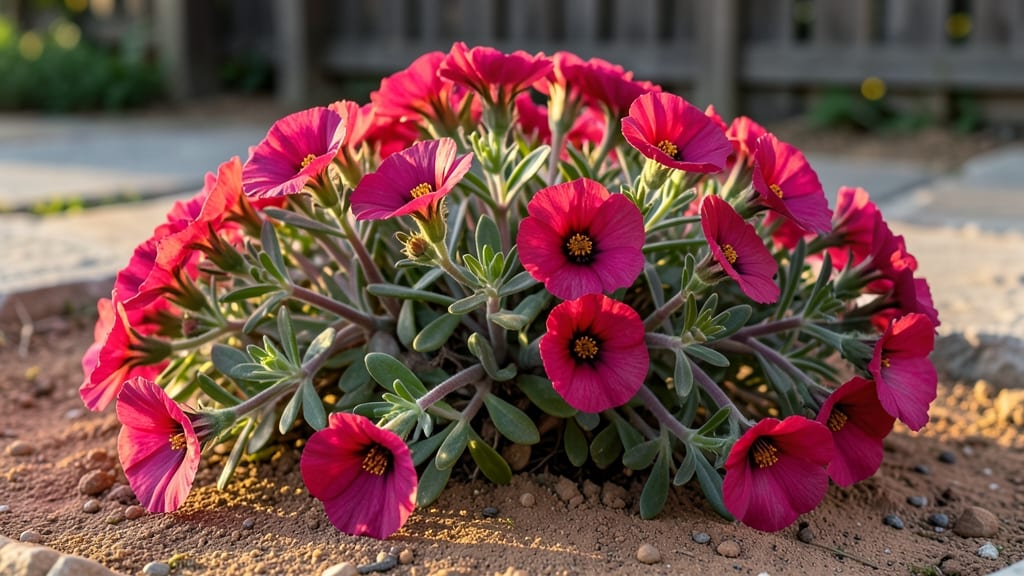
Portulaca flower season: natural blooming cycles by climate zone
Portulaca flowers, also called moss roses, are nature’s showstoppers with their vibrant colors and heat-loving nature. Unlike many flowers that follow strict seasonal rules, portulaca thrives in warm weather and can bloom year-round in tropical climates.
But how do their blooming cycles differ across USDA zones? Let’s break it down so you can grow portulaca successfully in your region.
The key to understanding portulaca’s blooming season lies in temperature and sunlight. In tropical zones (10-12), these flowers bloom continuously with minimal seasonal breaks.
Meanwhile, in temperate zones (3-9), they follow a more defined summer-to-fall schedule. Knowing your zone helps you plan planting times and extend blooms when needed.
| USDA Zone | Natural Blooming Season | Peak Bloom Months | Key Growing Conditions |
|---|---|---|---|
| 10-12 (Tropical) | Year-round | All months (intense in summer) | High heat, humidity; minimal frost risk |
| 9 (Hot Summers) | Late spring to frost | June–September | Full sun; drought-tolerant soil |
| 7-8 (Temperate) | Early summer to fall | July–October | Well-draining soil; protect from early frost |
| 3-6 (Cool Summers) | Late spring to early fall | June–August | Start seeds indoors; use containers for mobility |
In USDA zones 10-12, portulaca’s year-round blooming is a dream come true for gardeners. The consistent heat and long daylight hours keep flowers bursting with color from spring through winter.
If you live in Hawaii or Florida, you can enjoy non-stop blooms with minimal effort—just ensure they get full sun exposure and well-draining soil.
Gardeners in zones 7-9 experience the classic summer-to-fall blooming cycle. These zones offer hot summers and mild winters, making portulaca a reliable annual. Plant seeds after the last frost date (typically April–May) and watch them explode into color by June.
The blooms will continue until first frost, often lasting into October.
For those in zones 3-6, portulaca’s blooming season is shorter but still vibrant. The cooler summers limit growth, so starting seeds indoors 6-8 weeks before last frost is key. Transplant seedlings outdoors once soil reaches 60°F, and expect peak blooms from July to August.
With container gardening, you can even bring them indoors during winter months to extend their life.
One of the most exciting aspects of portulaca is its ability to rebloom after deadheading. In warmer zones, this means continuous flowers with proper care. In cooler zones, deadheading spent blooms encourages new growth and prolongs the season.
Pair this with regular watering (but avoid soggy soil) and full sun exposure to maximize blooms.
If you’re in a transition zone (e.g., zone 7b), portulaca may bloom sporadically in spring and fall if temperatures dip. To encourage consistent blooms, use black plastic mulch to warm the soil or grow them in containers that can be moved indoors during cool snaps.
This flexibility makes portulaca a versatile choice for nearly any climate.
Understanding your local microclimate is also crucial. Even within a zone, urban heat islands or coastal breezes can shift blooming times. For example, portulaca in desert regions (zone 9) may bloom earlier than those in humid climates (zone 8). Always observe your plants and adjust care accordingly.
For gardeners in cooler regions, consider treating portulaca as a seasonal annual rather than a perennial. While it won’t survive winter outdoors in zones 3-5, you can save seeds from the previous year’s plants to grow fresh blooms annually.
This ensures you never miss out on their cheerful, sun-soaked charm.
Whether you’re in a tropical paradise or
How to extend portulaca blooms beyond their natural season
Portulaca flowers, with their cheerful sun-kissed petals, naturally thrive in warm, sunny seasons—typically spring through fall. But with the right gardening tricks, you can coax them into blooming well into winter or rainy months, too.
The secret lies in understanding their growth triggers and giving them just the right care adjustments.
These succulent-like plants are drought-tolerant and love bright light, but they also respond beautifully to strategic pruning and soil enrichment. By tweaking a few key elements, you’ll transform your portulaca from a seasonal showstopper into a year-round bloomer. Let’s explore the practical techniques that work wonders.
🌸 5 Proven Ways to Extend Portulaca Blooms
- 1 Deadhead religiously – Snip off spent blooms daily to redirect energy to new flowers. Use clean pruners and cut just above the leaf node.
- 2 Boost sunlight exposure – Place pots near south-facing windows or use grow lights (12+ hours/day) in winter. Reflective surfaces (like white walls) can amplify light.
- 3 Amend soil with grit – Mix in perlite or coarse sand (20%) to improve drainage. Avoid compacted soil, which causes rot and stunts blooms.
- 4 Fertilize lightly in fall – Use a low-nitrogen formula (5-10-10) every 6 weeks until October. Over-fertilizing causes leafy growth over blooms.
- 5 Protect from cold snaps – Move containers indoors (50°F+) or cover with frost cloth. Never let soil freeze—root damage halts flowering.
For container gardens, rotate pots weekly to ensure even sunlight exposure on all sides. This prevents lopsided growth and keeps blooms uniform and abundant. I’ve seen portulaca in California’s mild winters produce new flowers by February with these methods!
If your portulaca starts looking leggy or sparse, it’s often a sign of insufficient light. Supplement with a full-spectrum LED grow light (12–14 hours/day) during short winter days. Even a $30 clip-on bulb can make a difference for indoor pots.
Remember, consistency is key. Portulaca rewards daily attention—whether it’s a quick deadheading session or adjusting watering as seasons shift. With these simple tweaks, your moss rose blooms could grace your garden 12 months a year! 🌿