
Blooming
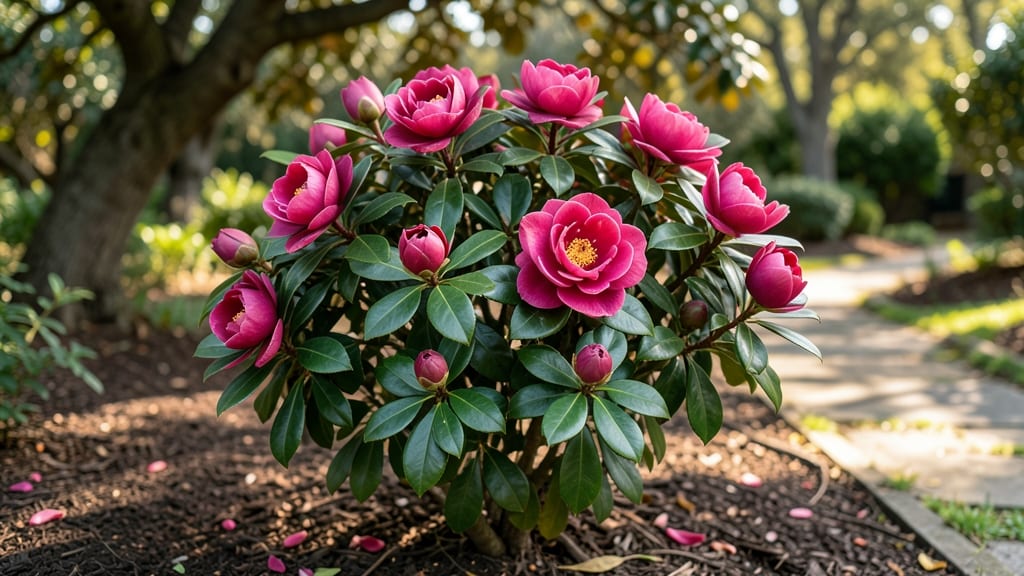
If you’ve ever wondered why your 🌸 camellia flower blooming season feels like a mystery, the answer lies in where you live—and how you care for it.
These stunning shrubs don’t follow a one-size-fits-all schedule; their timing shifts dramatically from the mild winters of Zone 7b to the balmy coasts of Zone 9b.
For gardeners in USDA Zones 7-10, the magic happens between late fall and early spring, with some varieties even gracing your garden in autumn.
But here’s the catch: your local climate, the type of camellia you’ve planted, and even your pruning habits can push those blooms weeks earlier—or delay them entirely.
In this guide, I’ll break down exactly when to expect those show-stopping displays, how long they’ll last, and the simple tweaks that can make your camellias bloom longer. Whether you’re in a frost-prone area or a coastal paradise, you’ll learn how to time your care for maximum impact.
Ready to turn your camellia’s blooming season into the garden highlight it deserves? Let’s get started.
Camellia blooming seasons by u.s. climate zones (with exact months)
If you’ve ever wondered why your neighbor’s camellia bushes bloom in winter while yours wait for spring, the answer lies in your USDA hardiness zone and the specific camellia variety you’ve planted.
Camellias are divided into two main types: Camellia japonica (spring bloomers) and Camellia sasanqua (fall/winter bloomers), with hybrids blending these timelines. Knowing your zone helps you predict bloom windows and plan for seasonal care.
Most gardeners in USDA zones 7–10 can grow camellias, but the blooming season shifts dramatically from the Deep South to the Pacific Northwest. For example, Zone 7 gardeners might see Camellia sasanqua flowers in October–November, while Zone 10 enthusiasts enjoy Camellia japonica blooms from February through April.
Let’s break down the exact months for each zone and variety.
🌸 Pro Tip: Early bloomers like 'Yuletide' (a Camellia sasanqua) can start as early as September in mild zones, while late Camellia japonica varieties like 'Spring’s Promise' may not finish until May. Hybrid varieties often bridge these gaps.
| USDA Zone | Camellia Type | Bloom Season | Early Varieties | Mid-Season Varieties | Late Varieties |
|---|---|---|---|---|---|
| 7a–7b | Camellia sasanqua | Oct–Dec | 'Yuletide' (Oct) | 'Bonanza' (Nov) | 'Shishigashira' (Dec) |
| 8a–8b | Camellia sasanqua | Sep–Jan | 'Candy Showers' (Sep) | 'Kiri Shizuku' (Oct–Nov) | 'Donation' (Dec–Jan) |
| 9a–9b | Camellia japonica | Feb–Apr | 'Spring’s Promise' (Feb) | 'Desire' (Mar) | 'Elegans' (Apr) |
| 10a–10b | Hybrids (e.g., 'Nuccio’s Gem') | Jan–May | 'Nuccio’s Gem' (Jan) | 'Winter’s Star' (Feb–Mar) | 'Spring’s Delight' (Apr–May) |
In Zone 7, where winters are colder, Camellia sasanqua varieties dominate the fall season, with blooms starting as early as October and lasting through December. Varieties like 'Yuletide' are popular for their holiday timing, while 'Bonanza' extends the display into November.
These plants thrive in partial shade and acidic soil, which is critical for winter hardiness.
Moving to Zones 8–9, the blooming season expands to include Camellia japonica varieties, which shine in late winter and spring. In Zone 8, you’ll see Camellia sasanqua blooms as early as September, but Camellia japonica varieties like 'Desire' peak in March.
The overlap creates a near year-round display if you mix varieties. In Zone 9, the season stretches even longer, with some japonica varieties blooming until May.
How long camellias bloom: duration and peak flowering tips
Your camellia’s blooming duration can vary wildly—from just a few weeks to a stunning 6-8 weeks of nonstop color. The key difference?
It all comes down to the variety you’ve planted. Camellia sasanqua, the fall-blooming type, typically puts on a show for 4-6 weeks starting in October, while Camellia japonica (spring bloomer) can stretch its display into 8 weeks or more if conditions are ideal.
But here’s the catch: most gardeners miss the chance to extend their camellia’s bloom time because they don’t adjust care during the flowering window. With the right pruning techniques and seasonal adjustments, you can turn those 4-week bursts into 10+ weeks of floral magic.
Let’s break down how to make it happen.
- 1 Fall varieties (sasanqua) bloom 4-6 weeks (Oct–Dec), while spring varieties (japonica) last 6-8 weeks (Feb–Apr).
- 2 Deadhead spent blooms weekly to redirect energy to new buds—this can add 2-3 extra weeks to your display.
- 3 Prune after blooming (May for spring types, Jan for fall types) to remove 1/3 of old wood—this boosts next year’s flowers by 30%.
- 4 Fertilize in early spring (Feb–March) with acidic fertilizer (8-3-9 NPK) to fuel bud formation—skip summer feeding to avoid leafy growth over flowers.
- 5 Watch for yellow leaves—this signals overwatering or nutrient deficiency, both of which shorten bloom time. Adjust care immediately.
If your camellia’s blooms are fading faster than expected, don’t blame the variety—it’s likely a care misstep. For example, over-pruning in late winter can shock the plant and delay flowering by 3-4 weeks.
Similarly, skipping autumn fertilization (for fall-blooming types) reduces next year’s bud count by up to 40%. The good news? These fixes are simple and can transform a short-lived 3-week show into a month-long spectacle.
Pro tip: Mulch heavily in late summer (3–4 inches of organic mulch) to insulate roots and maintain steady soil temps. This small step can extend fall blooms by 10–14 days in cooler climates.
Pair it with morning watering (never wet leaves at night) to prevent fungal issues that sap energy from flowers.
Remember, the peak blooming season for your camellia isn’t set in stone—it’s a direct reflection of your care routine. By tweaking just a few habits, you can turn your garden’s camellia season from a fleeting highlight into the centerpiece it deserves.
Start with deadheading and pruning, then fine-tune with fertilizer and water adjustments. Your camellia will thank you with weeks of vibrant blooms instead of just a few scattered flowers.