
Blooming
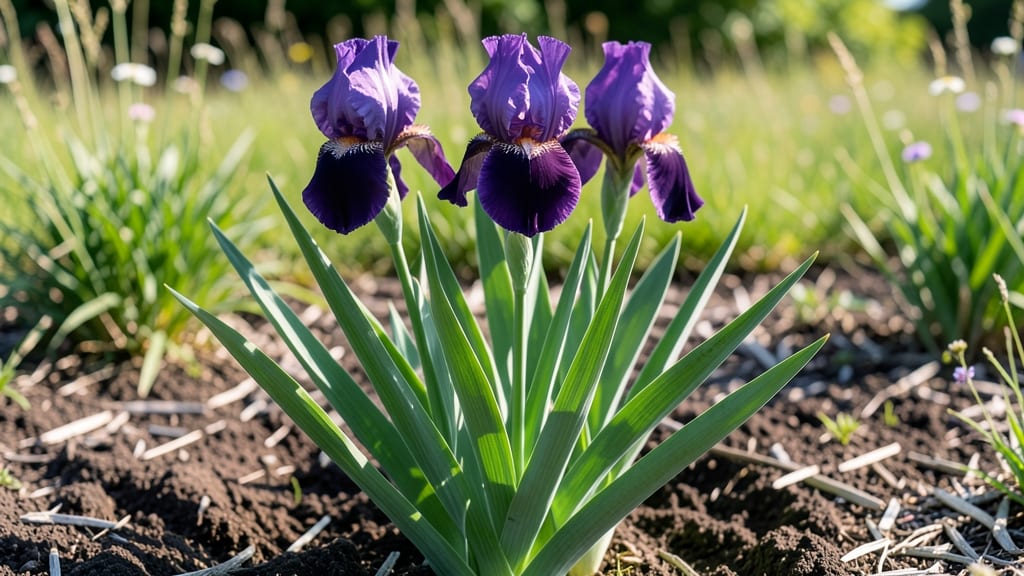
If you’ve ever wondered why your iris flowers 🌸 seem to bloom at different times each year, the answer lies in their seasonal rhythm—and where you live. Whether you’re in a chilly Zone 6a or a warmer climate, timing matters more than you think.
Miss the window, and you might skip out on those stunning spring displays entirely.
Most irises burst into color between late spring and early summer, but the exact timing shifts depending on your region and the variety you’ve planted. Some early bloomers wake up as soon as the frost lifts, while others hold off until June.
Knowing these differences helps you plan your garden for maximum impact—and even coax extra blooms with the right care.
Here’s the game-changer: with a few simple adjustments—like deadheading spent blooms or tweaking your fertilizer schedule—you can stretch your iris season longer than ever. Whether you’re a patient gardener or just love a pop of color, these tips will help you make the most of your iris flower season.
Ready to unlock the secrets to a show-stopping display? Let’s dive into when your irises will shine brightest—and how to keep them blooming for weeks on end.
Iris bloom seasons by US hardiness zones: what to plant when
Timing your iris planting and understanding bloom windows by your USDA hardiness zone is key to maximizing those showstopping blooms. Irises thrive in zones 3 through 10, but their bloom seasons vary dramatically—from early spring in colder regions to summer reblooming in warmer climates.
Knowing your local frost dates and selecting the right varieties ensures you'll enjoy vibrant blooms when you want them most.
Most gardeners focus on traditional spring-blooming irises, but some varieties—like the reblooming bearded iris—can produce a second flush of flowers in summer. Your zone determines not just when to plant, but which varieties will perform best.
In zones 3-5, expect early spring blooms, while zones 6-10 often see extended seasons with late spring and summer options.
Here's a quick breakdown of bloom times by zone to help you plan your garden layout and planting schedule:
For gardeners in zones 3-5, focus on early spring bloomers like Siberian irises that tolerate cold snaps. Plant rhizomes in late summer or early fall (August-September) to establish roots before winter.
These varieties typically bloom in late April or May, just as other spring flowers are fading, creating a stunning transition in your garden.
In zones 6-8, you have the advantage of both spring and summer blooming options. The key is selecting reblooming varieties like 'Florence' or 'Blue River' that can produce a second flush of flowers in June or July.
To encourage reblooming, fertilize lightly after the first bloom cycle and maintain consistent moisture without overwatering.
Gardeners in zones 9-10 enjoy the longest bloom seasons, with some irises flowering from February through July. Spanish and Japanese irises thrive in these warmer climates.
Plant in fall (October-November) to take advantage of winter rains. In these zones, you can create a continuous bloom display by mixing early, mid, and late-season varieties.
No matter your zone, all irises prefer full sun (6+ hours daily) and well-draining soil. Amend heavy clay soils with compost or sand to prevent rhizome rot. After blooming, allow foliage to yellow naturally before cutting it back—this feeds the rhizome for next year's flowers.
For reblooming varieties, deadhead spent blooms promptly to encourage a second flush.
Pro tip: Use mulch around iris rhizomes in colder zones to protect them from extreme temperature swings. In warmer zones, a light mulch helps retain moisture during dry spells. Remember that iris rhizomes need to breathe, so avoid burying them too deeply—keep the top 1/3 exposed after planting.
By aligning your iris planting with your zone's natural rhythms, you'll enjoy vibrant blooms when you want them most.
Whether you're chasing early spring color or extending summer interest, selecting the right varieties and timing your care makes all the difference in creating a showstopping iris display year after year. 🌸
Best iris varieties for extended bloom seasons: from early to late bloomers
If you dream of a garden bursting with iris blooms from early spring through summer, you’re not alone! The secret lies in selecting the right iris varieties for your climate. Some varieties wake up early, while others hold off until late spring or even summer.
By mixing these timed bloomers, you can create a continuous color show that keeps your garden vibrant all season long.
Not all irises bloom just once. Some rare reblooming varieties can give you a second show later in the year, especially in milder climates. For example, the Louisiana iris and Japanese iris are known to surprise gardeners with late-season blooms.
Pairing these with early and mid-season varieties ensures your garden never skips a beat.
🌸 Top Iris Varieties by Bloom Time
- Early Bloomers (March-April): 'Purple Sword' (2-3 ft, deep purple), thrives in Zones 3-9 and loves full sun. Perfect for kickstarting your season!
- Mid-Season (May-June): 'Blue Flag' (2 ft, striking blue), a classic that blooms reliably in Zones 4-8 and attracts pollinators.
- Late Bloomers (June-July): 'White Swan' (3 ft, pure white), ideal for Zones 5-9 and adds elegance to summer gardens.
- Reblooming Wonder: 'Sioux' (2.5 ft, golden yellow), a rebloomer in Zones 3-9 that can flower twice in one season!
- Dwarf Delight: 'Little Princess' (1 ft, lavender), perfect for borders in Zones 4-8 and blooms early for quick color.
For cooler climates (Zones 3-5), focus on hardy early bloomers like 'Purple Sword' or 'Little Princess', which tolerate frost and brighten up early spring. In warmer zones (7-10), late bloomers like 'White Swan' or 'Sioux' thrive and extend your season well into summer.
Pro tip: Plant reblooming varieties like 'Sioux' or 'Louisiana iris' in well-draining soil with partial shade to encourage a second bloom cycle. Pair them with early bloomers for a seamless transition from spring to summer. Just remember, deadheading spent blooms can coax more flowers and prolong the show!
Don’t forget to consider height and color when planning your garden layout. Taller varieties like 'White Swan' (3 ft) make stunning backdrops, while dwarf types like 'Little Princess' (1 ft) add pops of color near pathways. Mixing purples, blues, and whites creates a dreamy, cohesive look that draws the eye.
With the right mix of iris varieties, your garden can bloom from early spring through summer, giving you a year-round display with minimal effort. Start with 2-3 varieties from this list, and watch your garden transform into a colorful paradise! 🌿