
Flowers
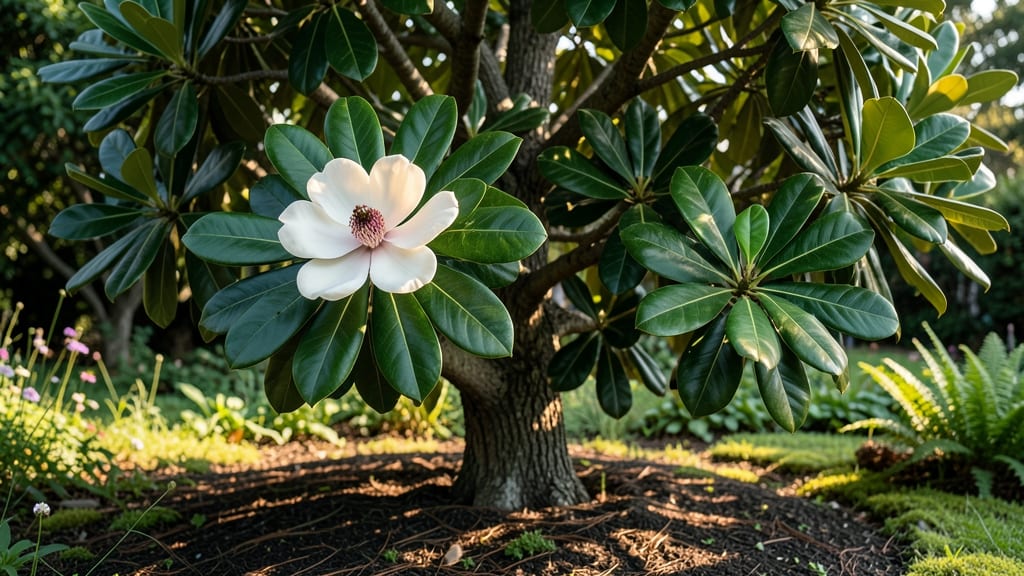
If you’ve ever stared up at a Southern Magnolia’s bowl-sized blooms and wondered just how big the southern magnolia flower size can get, you’re not alone.
This iconic tree doesn’t just dominate the landscape—its flowers can reach up to 12 inches wide, making them a true statement piece in any garden. But size isn’t the only factor; the variety, age, and growing conditions all play a role in how these magnolias develop over time.
For gardeners in the Southern US (Zones 7-10), understanding these dimensions is key to planning spacing, companion plants, and even pruning strategies.
Whether you’re dreaming of a towering shade tree or a smaller specimen for your yard, knowing the exact flower size—and how it changes as the tree matures—will help you make the best decisions for your space.
From the delicate first blooms on a 3-year-old sapling to the massive flowers of a 50-year-old giant, we’ll break down the science behind Southern Magnolia flower size. You’ll discover how sunlight, soil, and even your local climate can influence growth—and how to optimize conditions for the most stunning displays.
Ready to transform your garden with these majestic trees? Let’s dive into the exact dimensions, growth stages, and expert tips to help you grow a Southern Magnolia that steals the show every spring.

Southern magnolia flower size by variety: exact dimensions of blooms and canopy heights
The Southern magnolia (Magnolia grandiflora) is famous for its iconic, creamy-white blooms and towering presence. But did you know flower sizes range from 6 to 12 inches wide depending on the variety? Each cultivar brings unique dimensions to your landscape, from compact urban-friendly options to monumental giants.
Understanding these differences helps with plant spacing, pruning decisions, and even pollinator planning. Let’s explore the exact measurements of five standout varieties, including rare dwarf types.
For gardeners planning focal points, flower diameter and petal count matter as much as mature height. A single bloom from 'Bracken's Brown Beauty' can span 10 inches—about the size of a dinner plate—while 'Little Gem' stays modest at 6–8 inches.
These differences directly impact how you’ll design around them or train their growth. Below, we break down the specifics for five popular cultivars, plus their canopy heights at maturity.
| Variety | Flower Diameter | Petal Count | Mature Height | Canopy Spread | Notes |
|---|---|---|---|---|---|
| 'Little Gem' | 6–8" | 12–14 | 20–25 ft | 12–15 ft | Dwarf variety, ideal for small yards |
| 'Bracken's Brown Beauty' | 8–10" | 15–18 | 30–40 ft | 25–30 ft | Dark foliage, larger blooms than standard |
| 'Southern Charm' | 10–12" | 16–20 | 40–50 ft | 30–40 ft | Upright growth, fewer branches |
| 'Edith Bogue' | 8–10" | 14–16 | 35–45 ft | 25–35 ft | Pyramidal shape, great for narrow spaces |
| 'St. Mary' | 6–8" | 12–14 | 25–35 ft | 15–20 ft | Cold-hardy, tolerates USDA Zone 6 |
'Little Gem' is the smallest blooming variety, perfect for urban gardens where space is limited. Its 6–8 inch flowers and 20-foot mature height make it a low-maintenance stunner for patios or small yards.
The 12–14 petals per bloom create a delicate, lacy appearance that contrasts with its compact size. If you’re designing a pollinator-friendly garden, this variety attracts bees and butterflies without overwhelming your space.
On the opposite end, 'Southern Charm' delivers monumental blooms up to 12 inches wide with 16–20 petals. These plate-sized flowers make a dramatic statement in large landscapes or as a focal point near driveways.
Its mature height of 40–50 feet means you’ll need to plan for overhead clearance, especially if planting near walkways or structures. The upright growth habit also makes it ideal for solitary plantings where vertical emphasis is desired.
For gardeners who love dark foliage contrasts, 'Bracken's Brown Beauty' offers 8–10 inch blooms with deep green leaves that create a striking visual effect. This variety’s 30–40 foot height and 25–30 foot spread
How Southern magnolia flower size changes through growth stages: from seedling to mature tree
The journey of a Southern magnolia from a 1-foot seedling to a 60-foot giant is nothing short of magical. Every stage brings dramatic changes—not just in height, but in the size and impact of its iconic blooms.
Understanding these milestones helps you predict when your tree will first flower, how large those blooms will become, and how to care for it at each phase. Let’s explore the year-by-year transformation of Southern magnolia flower size and tree structure.
In its first year, your magnolia will focus on root and stem growth rather than flowers. You’ll see a 2–4 foot sapling with no blooms at all—just the promise of future grandeur. By year 3, some varieties may produce their first tiny buds, but these won’t open fully.
This is when patience pays off, as proper care now determines how quickly your tree will reach its full potential. The real spectacle begins around year 5, when flowers start appearing with regularity.
🌸 Key Growth Milestones for Southern Magnolia Flower Size
- Year 1–3: No flowers—focus on root establishment and 2–10 ft growth. Prune only to shape.
- Year 4–5: First small blooms (3–5 inches wide) appear. Tree reaches 10–15 ft tall.
- Year 6–10: Flowers grow to 6–8 inches wide. Canopy expands to 15–25 ft wide.
- Year 11–15: Peak flower size: 8–12 inches wide. Tree hits 30–40 ft tall.
- Year 16–20: Mature size reached: 40–80 ft tall, flowers 10–12 inches wide. Pruning affects future bloom size.
Between years 6 and 10, your magnolia’s flowers will undergo their most rapid growth. What started as 3-inch buds in year 4 will now open into 6–8 inch blooms, accompanied by a lush canopy that can spread 15–25 feet wide.
This is also when the tree’s iconic leathery, evergreen leaves fully develop, creating the dense shade that makes magnolias so prized. During this phase, proper watering and fertilization can accelerate growth, but avoid over-fertilizing—it can lead to excessive foliage at the expense of flowers.
By years 11–15, your Southern magnolia will hit its prime, producing its largest flowers (8–12 inches wide) and reaching 30–40 feet tall. This is when the tree’s true majesty shines, with blooms that can outsize dinner plates and a trunk thick enough to wrap your arms around.
Pruning during this stage should be minimal—focus on removing dead or crossing branches to maintain airflow and prevent disease. Heavy pruning now can reduce next year’s flower size, as the tree redirects energy to healing wounds instead of blooming.
After year 20, your magnolia enters its mature phase, where it may grow another 10–20 feet in height and produce flowers that reach their maximum size (10–12 inches wide). At this point, the tree’s growth slows, but it continues to bloom annually if given proper care.
This is also when canopy management becomes crucial—allowing sunlight to reach the lower branches encourages more flowers throughout the tree. Without intervention, the lower limbs may die back, leaving a sparse crown.
One common misconception is that pruning will increase flower size. In reality, pruning affects flower quantity, not size. Heavy pruning can actually reduce next year’s bloom dimensions as the tree focuses on regrowing lost branches.
For the largest flowers, prioritize healthy soil, consistent watering, and minimal stress. With the right conditions, your Southern magnolia will reward you with show-stopping blooms for decades to come.