
Blooming
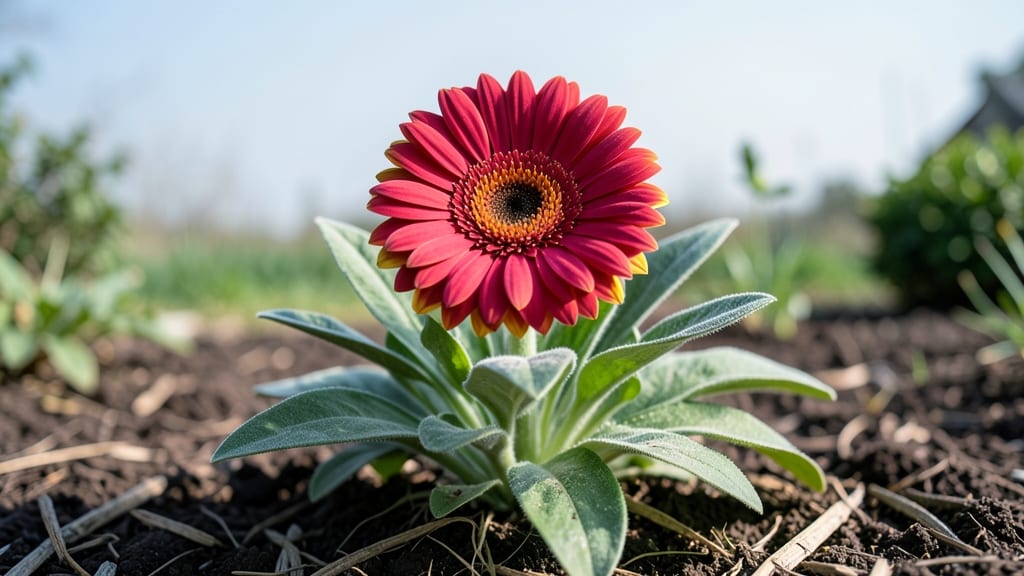
Gerbera flower season by USDA Zone: when to expect blooms
Gerbera daisies are famous for their vibrant blooms, but their flowering season varies dramatically depending on your USDA zone and the specific variety you grow.
In cooler zones like USDA Zone 3-5, gerberas typically bloom from late spring to early fall, while tropical zones like Zone 10-11 enjoy nearly year-round color. The key is understanding how temperature extremes and daylight hours influence their growth cycle.
For gardeners in Zone 6-9, where most home gardeners live, gerberas usually peak in summer months (June-August), but early and late-season varieties can extend blooms into May or September.
Heat-tolerant varieties like 'Orange Ice' thrive in Zone 8-11, while frost-sensitive types need protection in Zone 3-5. Let's break down what to expect in your specific zone.
🌱 Key Tip: Gerberas are annuals in cooler zones but can be perennial in warm climates (Zone 9-11). This affects how you plan for seasonal blooms each year.
Gerbera Bloom Season by USDA Zone
| USDA Zone | Bloom Season | Early Varieties | Peak Season | Late Varieties | Climate Notes |
|---|---|---|---|---|---|
| 3-5 | May-September | 'Green Lady' | June-August | 'Red Hot' | Frost-sensitive; use containers |
| 6-7 | April-October | 'Orange Ice' | May-September | 'Pink Beauty' | Full sun required |
| 8-9 | March-November | 'White Queen' | April-October | 'Yellow Queen' | Heat-tolerant; mulch in summer |
| 10-11 | Year-round | All varieties | Continuous | All varieties | Perennial; protect from wind |
In USDA Zone 3-5, gerberas are often treated as annuals because they struggle with frost and cold snaps. Start seeds indoors in March for May blooms, and choose early varieties like 'Green Lady' to beat the heat.
These zones see their peak bloom in July-August, but late varieties can extend color until September if protected from early frosts.
Gardeners in Zone 6-7 enjoy a longer growing season, allowing gerberas to bloom from April through October. The early varieties like 'Orange Ice' kick off the season in late spring, while late bloomers like 'Pink Beauty' keep gardens vibrant into fall.
These zones benefit from full sun exposure—at least 6 hours daily—to maximize bloom production.
For Zone 8-9, gerberas thrive as perennials with proper care. Their year-round potential means you can enjoy blooms from March through November, with peak season in spring and fall.
Heat-tolerant varieties like 'White Queen' and 'Yellow Queen' handle summer heat better than others. Mulching helps retain moisture during hot spells, while deadheading encourages continuous blooming.
In USDA Zone 10-11, gerberas are true perennials and can bloom year-round with minimal care. The tropical climate eliminates frost concerns, but wind protection is key to prevent stem damage.
These zones see continuous flowering if given well-draining soil and regular watering. Varieties like 'Orange Ice' and 'Red Hot' perform exceptionally well in these warm conditions.
Regardless of your zone, deadheading spent blooms is the #1 tip for extending the gerbera flower season. Removing faded flowers redirects the plant's energy to new blooms
Top 5 gerbera varieties and their ideal bloom seasons
Choosing the right gerbera variety can transform your garden’s bloom season. Each type has distinct color patterns and seasonal preferences, so let’s explore the top 5 that thrive in different climates and lighting conditions.
Whether you’re in USDA Zone 7 or Zone 10, these varieties offer year-round possibilities with the right care.
For example, 'Orange Ice' and 'Red Hot' are summer favorites, while 'Green Lady' brings a unique twist with its green-tipped petals. Understanding their natural cycles helps you extend flowering periods through simple techniques like deadheading or strategic pruning. Let’s dive into their ideal bloom seasons and care secrets!
Gerbera Variety Seasonal Comparison
'Orange Ice'
Season: Late spring to early fall
Pros: Bright orange blooms, drought-tolerant
Cons: Needs full sun, shorter vase life
'Red Hot'
Season: Summer to early autumn
Pros: Vibrant red petals, heat-resistant
Cons: Susceptible to powdery mildew
'Green Lady'
Season: Early summer to frost
Pros: Unique green accents, long-lasting
Cons: Prefers cooler climates
'Pink Passion'
Season: Mid-spring to late fall
Pros: Soft pink hues, fragrant blooms
Cons: Needs consistent moisture
'Lemon Slice'
Season: Late spring to early autumn
Pros: Bright yellow blooms, attracts pollinators
Cons: Shorter bloom time
If you’re in warmer zones (8-11), varieties like 'Red Hot' and 'Orange Ice' will reward you with longer bloom seasons—often from May through October. In contrast, cooler zones (5-7) benefit from 'Green Lady' or 'Pink Passion', which handle spring and fall temperatures better.
To extend their season, I always deadhead spent blooms weekly—this trick keeps new flowers coming!
For container gardening, choose compact varieties like 'Lemon Slice', which thrive in pots and can be moved indoors during winter months. Just ensure they get at least 6 hours of sunlight daily.
In my experience, pruning back leggy stems after blooming encourages bushier growth and more flowers next season.
Color trends also play a role in seasonal planning. Red and orange gerberas dominate summer, while pink and yellow varieties shine in spring and fall. Mixing these colors creates a continuous bloom display from April through October.
For example, I pair 'Red Hot' with 'Pink Passion' to ensure my garden stays vibrant all season.
One final tip: Mulch around your gerberas in late summer to protect roots from temperature swings and retain moisture. This simple step can extend blooming by 2-3 weeks in marginal climates. With the right variety and care, your gerberas will outperform expectations and keep your garden lively year-round! 🌼