
Light Requirements
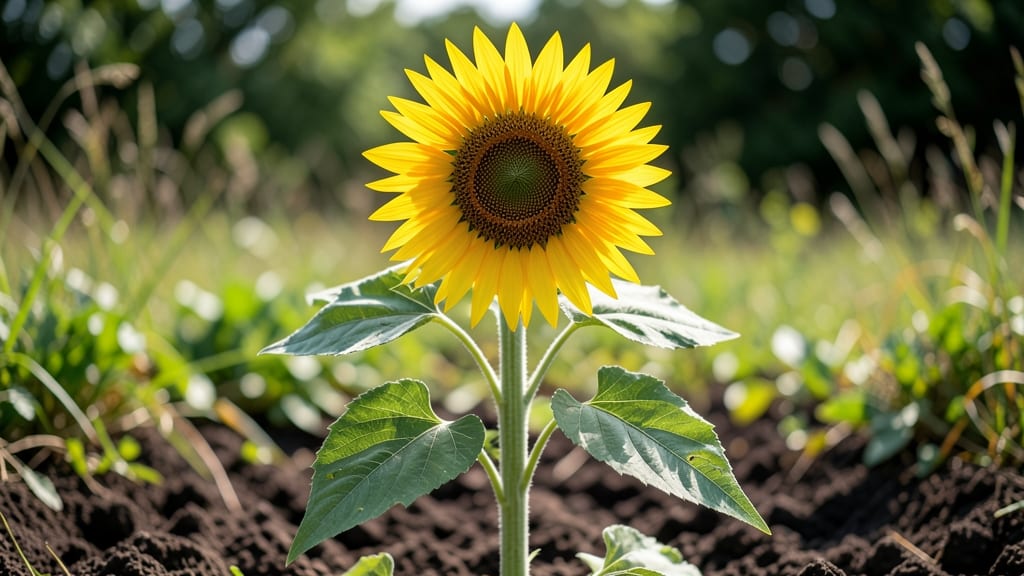
How many hours of sunlight do sunflowers need daily?
Sunflowers are famous for their love of sunlight, but not all varieties thrive equally under the same conditions. While most need 6-8 hours of direct sun daily, some dwarf or double-bloom varieties can adapt to slightly less light.
The key difference lies in their photosynthesis efficiency—more sun means bigger blooms and stronger stems, but too little light leads to leggy, weak plants that flop over or produce tiny flowers.
Understanding your sunflower’s sunlight requirements starts with recognizing their variety-specific needs. Giant sunflowers like 'Mammoth' or 'Russian Giant' demand full sun to reach their towering heights, while dwarf varieties like 'Teddy Bear' can tolerate partial shade.
Even small differences in sunlight exposure can dramatically alter your sunflowers’ growth patterns, from stem thickness to bloom size.
Here’s how to measure sunlight in your garden: Use a sunlight tracker or observe your space for a week. Note when shadows fall across potential planting areas—sunflowers need uninterrupted sunlight during their peak growth months (June-August).
A south-facing garden in the Northern Hemisphere typically gets the most sun, while north-facing spots may struggle to meet their needs.
Sunflowers rely on photosynthesis to convert sunlight into energy for growth. When deprived of adequate light, their chlorophyll production slows, leading to pale leaves and stunted development.
This is why even 6 hours of sun can feel like starvation to a sunflower—it’s not enough to fuel their rapid growth or seed production. Think of sunlight as their fuel source: the more they get, the more vibrant and robust they become.
If you’re growing sunflowers in containers or urban gardens, prioritize locations with maximum sunlight exposure. Balconies, rooftops, or even reflective surfaces (like white walls) can help bounce extra light onto your plants.
For indoor growers, a south-facing window with a grow light supplement can mimic outdoor conditions, though outdoor sunflowers will always outperform their indoor counterparts.
The science behind sunflower sunlight needs lies in their C3 photosynthetic pathway, which thrives on high light intensity. This pathway allows sunflowers to fix carbon efficiently under bright conditions, but it struggles in low light.
Without enough sun, their energy reserves dwindle, leading to wilting or premature flowering. Even a few hours less than the ideal can result in smaller, less vibrant blooms and weaker stems that snap under their own weight.
For giant sunflowers, aim for 8-10 hours of sunlight daily to achieve their full height and massive blooms. These varieties are light-hungry and will struggle in anything less than full sun.
If you’re growing them in containers, place them in the sunniest spot possible and rotate pots weekly to ensure even growth. Without enough light, their stems become spindly, and their blooms may never fully open.
If your garden only offers partial shade, opt for dwarf or shade-tolerant varieties like 'Teddy Bear' or 'Moulin Rouge'.
Signs your sunflowers aren’t getting enough sunlight (and how to fix it)
If your sunflowers are struggling to grow tall or produce vibrant blooms, sunlight deficiency might be the culprit. These plants thrive in full sun, and even minor light reductions can trigger noticeable problems.
Watch for leggy stems, pale yellow leaves, and tiny blooms—all classic signs your sunflowers are light-starved.
Sunflowers need 6-8 hours of direct sunlight daily to reach their full potential. Without enough light, they’ll focus energy on stretching toward any available light, rather than growing strong stems or developing large flower heads. This etiolation process weakens the plant and makes it more susceptible to pests and diseases.
Sunflower Light Needs: Pros & Cons
- Taller stems (up to 14 ft)
- Larger, vibrant blooms
- Stronger, disease-resistant plants
- Leggy, weak stems
- Small, pale blooms
- Higher risk of pests
- Choose shade-tolerant varieties (e.g., 'Teddy Bear')
- Use reflective mulch to boost light
- Plant in south-facing containers
- Move plants to sunnier spots
- Thin nearby plants for better airflow
- Use grow lights for indoor plants
To diagnose sunlight issues, compare your sunflowers to the ideal growth chart. In full sun, stems grow straight and sturdy, while leaves stay deep green. In partial shade, stems stretch upward at 45-degree angles, and leaves turn pale.
If you spot these signs, act fast—relocating your plants to a sunnier spot can revive their growth.
For gardeners with limited sunlight, consider reflective surfaces like white gravel or aluminum foil. These can redirect light to your sunflowers, mimicking full sun conditions. Another trick is to plant sunflowers in containers and move them throughout the day to follow the sun’s path.
This simple adjustment can make a world of difference for light-deprived plants.
If relocating isn’t an option, opt for shade-tolerant varieties like 'Moulin Rouge' or 'Autumn Beauty.' These sunflowers adapt better to partial shade while still producing colorful blooms. Just remember: even shade-tolerant varieties will perform best with at least 4-6 hours of sunlight daily.
Don’t let sunlight shortages dim your sunflower dreams! With these fixes, your plants will soon reach for the sky and bloom brighter than ever. Start by assessing your garden’s light conditions today—your sunflowers will thank you with towering stems and cheerful faces.