
Flowers
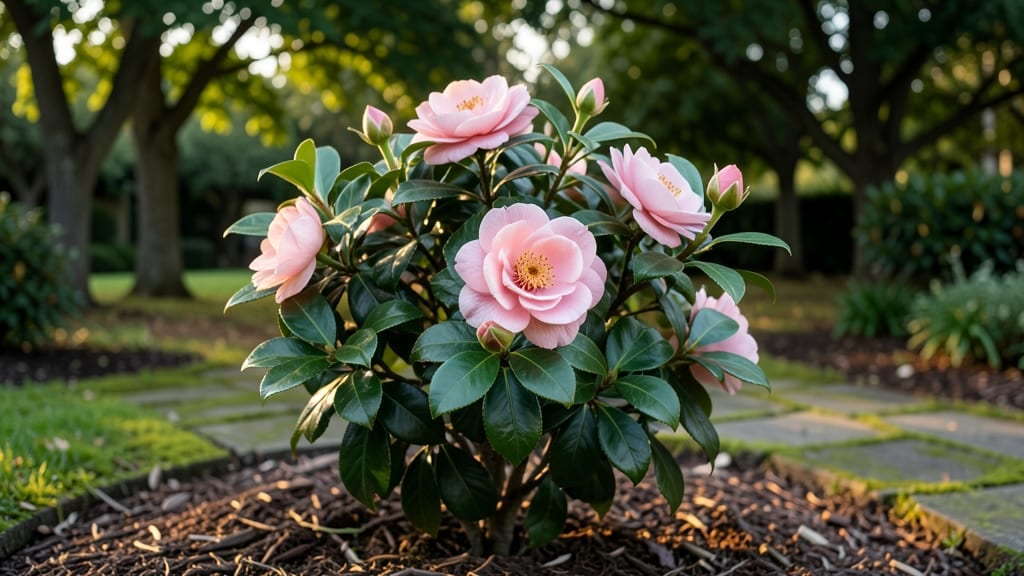
If you've ever wondered why your 🌸 camellia stays stubbornly bare for months, the answer lies in its precise flowering window—and it's not what you might expect.
These elegant shrubs defy typical spring bloomers, often bursting into color when most gardens are dormant, but the exact timing depends on your zone and the variety you've planted.
In USDA Zone 7a (like much of the temperate eastern U.S.), camellias typically reward patience with winter blooms from December through March, while some late-season varieties linger into April.
But here's the twist: fall-planted camellias might surprise you with early blooms the following winter, creating a stunning seasonal display that other plants can't match.
What makes this even more fascinating is how regional climate tweaks these timelines—warmer southern zones see blooms earlier, while colder areas might delay them until late winter.
The key to maximizing your camellia's potential lies in understanding these patterns and giving it the right care at each stage of its cycle.
Let me show you exactly how to predict your camellia's flowering schedule, choose the perfect varieties for your climate, and even extend its bloom time naturally—so you can enjoy those show-stopping flowers for months instead of weeks.
Camellia flowering months by USDA Zone: exact timing guide
If you’ve ever wondered when does a camellia flower in your area, the answer depends heavily on your USDA zone and the specific variety you’ve planted. Camellias are famous for their seasonal blooms, with some varieties lighting up gardens in late fall while others wait for early spring.
Knowing these timelines helps you plan for year-round color and avoid disappointment when buds don’t appear on schedule.
Most gardeners focus on Zones 7-10 for camellias, as these regions provide the mild winters and humid conditions these shrubs crave. In colder zones (like 6 or below), camellias struggle to survive, let alone bloom.
Even within Zones 7-10, timing varies by early, mid, and late-season varieties, so let’s break it down by zone and type to give you a precise roadmap for your garden.
📌 Pro Tip: Early bloomers often need fall planting to establish roots before winter, while late bloomers may benefit from spring planting to avoid early frost damage. Always check your local last frost date for best results.
| USDA Zone | Early Bloomers (Fall) | Mid-Season (Winter) | Late Bloomers (Spring) | Notes |
|---|---|---|---|---|
| Zone 7 | September–October | November–December | March–April | Coldest zone for camellias; protect from late frosts. |
| Zone 8 | October–November | December–January | February–March | Ideal zone for Camellia sasanqua varieties. |
| Zone 9 | November–December | January–February | March–April | Best for Camellia japonica with extended blooms. |
| Zone 10 | December–January | February–March | April–May | Longest blooming season; some varieties flower year-round. |
In Zone 7, where winters are cooler, you’ll see the earliest blooms in September or October from Camellia sasanqua varieties like ‘Yuletide’ or ‘Bonanza’. These fall-blooming camellias are perfect for adding winter cheer, as they often flower just in time for the holidays.
Mid-season bloomers in Zone 7 typically appear in November or December, while late bloomers wait until March or April when temperatures rise.
If you live in Zone 8, you’re in the sweet spot for camellias, with blooms stretching from October through April. Early varieties like ‘Sasanqua’ types start in October, while Camellia japonica varieties may not bloom until February or March.
This extended season means you can enjoy camellias almost year-round with the right mix of varieties in your garden.
Gardeners in Zone 9 and Zone 10 have the advantage of longer blooming seasons, with some varieties flowering from November through May.
In Zone 9, Camellia japonica often blooms in January or February, while Zone 10’s milder climate allows for near-continuous blooms if you choose the right varieties. For example, ‘Spring’s Promise’ can bloom from December through April in these warmer zones.
One common mistake gardeners make is assuming all camellias bloom in spring. While many Camellia japonica varieties do, Camellia sasanqua types are the fall bloomers that bring color to gardens when other plants are dormant.
Planting a mix of both types ensures your garden stays vibrant from fall through spring, depending on your zone.
To encourage healthier blooms, pay attention to soil acidity (aim for pH 5.0–6.0) and watering consistency. Camellias hate dry soil during bud formation, so deep watering once a week in dry spells is key.
In Zone 10, where blooms can occur year-round, avoid over-fertilizing in summer, as this can stress the plant and reduce flowering.
For best results, prune your camellias right after blooming to shape the plant and encourage next year’s flowers. Avoid heavy pruning in fall, as this can remove next year’s flower buds.
If you’re in a cooler zone (Zone 7), consider winter mulching to protect roots from freezing temperatures, which can delay or prevent blooming.
Now that you know the exact flowering months for your zone, you can plan your garden like a pro!
Whether you’re a Zone 7 gardener dreaming of holiday blooms or a Zone 10 enthusiast enjoying year-round color, selecting the right varieties and giving them proper care will ensure your camellias burst into bloom at the perfect time. 🌸
Best Camellia varieties for year-round or seasonal blooms
If you love camellias but want blooms that last beyond just a single season, choosing the right variety is key. Some camellias burst into fall colors while others shine in winter or spring.
The secret lies in understanding Camellia japonica versus Camellia sasanqua, as their flowering windows differ dramatically. For example, sasanqua varieties often bloom from September to November, offering winter interest when many gardens are dormant. Meanwhile, japonica varieties typically wait until late winter or spring.
My garden features both types, and I’ve learned that fall-blooming sasanquas like 'Yuletide' provide holiday cheer with their red blossoms, while japonicas like 'Desire' reward me with rosy pink flowers in March and April.
The right mix can create a year-round floral display, ensuring your garden never looks bare. Let’s explore the top varieties and their blooming windows to help you plan your perfect camellia collection.
🌸 Comparison Table: Camellia Varieties & Blooming Seasons
For a year-round camellia garden, I recommend pairing sasanqua varieties like 'Yuletide' with japonicas such as 'Desire'. This combo ensures fall, winter, and spring blooms, keeping your garden vibrant even in colder months.
For example, 'Yuletide' starts blooming in late September and can last through November, while 'Desire' picks up in March and continues into April. The overlap creates a seamless transition from one season to the next.
If you’re in USDA Zone 7 or colder, focus on cold-hardy sasanquas like 'Bonanza', which can handle brief frosts and still produce stunning flowers. In warmer zones (8–10), you can mix in tropical japonicas like 'Nobility' for lush, late-winter blooms.
My pro tip: Plant sasanquas in sheltered spots to protect them from late-season winds, which can damage delicate buds.
Don’t overlook hybrid varieties like 'Spring’s Promise', which can bloom from fall to spring. These are perfect if you want minimal gaps in your garden’s floral display. Just remember, proper pruning after blooming helps encourage next year’s flowers.
I prune my sasanquas in late winter and japonicas in early summer to maintain shape and promote healthy growth