
Blooming
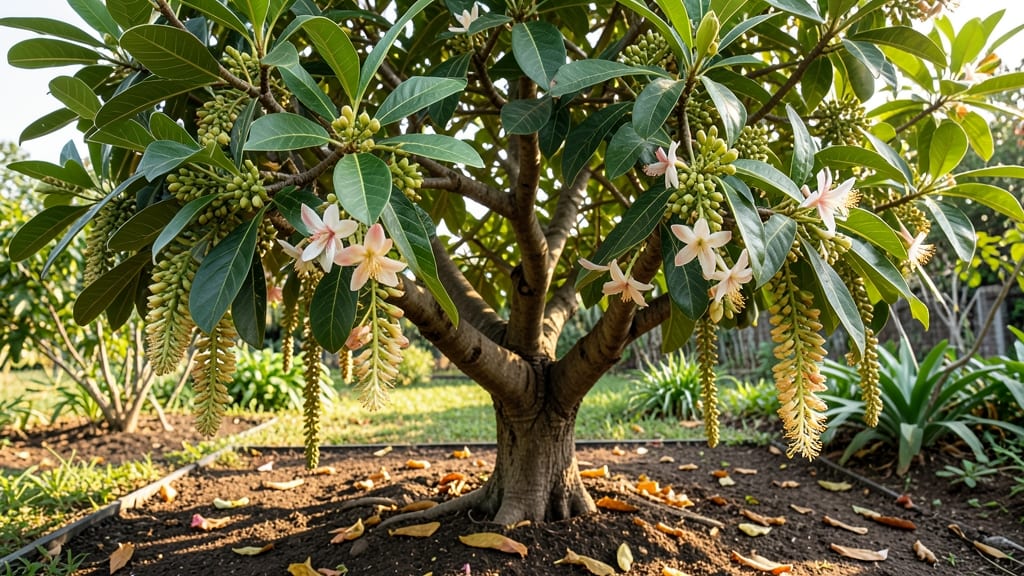
If you’ve ever watched your 🥭 mango tree burst into delicate pink and white clusters and wondered why some years yield fruit while others don’t, the answer lies in understanding the 5 flowering stages of your mango tree.
From the first tiny buds forming in spring to the critical pollination window that decides fruit set, each stage demands specific conditions. Too much heat, poor timing, or skipped care steps can derail the process entirely.
But here’s the good news: knowing what to watch for—and when to intervene—can turn a failed bloom into a fruitful future.
I’ll walk you through the visual cues, environmental triggers, and simple adjustments that make all the difference.
Whether you’re troubleshooting why your tree dropped flowers last year or eager to maximize this season’s potential, these insights will help you spot problems early and boost your chances of a sweet, sun-ripened payoff.
Let’s break down exactly what happens during each stage—and how you can give your mango tree the best shot at success. Your future harvest starts with the first bloom.
5 Stages of mango tree flowering: from bud formation to fruit set
Understanding the 5 flowering stages of a mango tree transforms your gardening from guesswork to precision. Each stage—from tiny buds to fruit set—requires specific conditions to ensure a bountiful harvest.
In tropical and subtropical climates, these stages unfold dramatically over 4-8 weeks, depending on variety and weather. Missing even one stage can mean failed fruit set or poor-quality mangoes.
As a tropical gardener, I’ve learned that visual cues like panicle color and bloom density are your best tools for tracking progress. For example, healthy pre-flowering buds appear as small, green swellings along branches, while failed blooms often show up as brown or wilted clusters.
Let’s break down each stage so you can intervene when needed and boost your tree’s productivity.
| Stage | Visual Cues | Duration | Critical Conditions | Common Issues |
|---|---|---|---|---|
| 1. Pre-Flowering | Small green buds on branches | 2-4 weeks | Warm temps (75°F+), adequate water | Bud drop from drought stress |
| 2. Panicle Emergence | Green flower clusters (panicles) appear | 1-2 weeks | Humidity 60-80%, no strong winds | Panicle wilting from heat stress |
| 3. Bloom Stage | White/pink flowers open fully | 3-5 days | Bees/wind for pollination | Poor pollination = flower drop |
| 4. Pollination | Pollen transfer to stigmas | 2-3 days | Warm days, calm evenings | Fungal growth from excess moisture |
| 5. Fruit Set | Small green fruits form | 4-6 weeks | Balanced nutrients, no pests | Fruit drop from nutrient deficiency |
The first stage, pre-flowering, begins when your mango tree’s branches swell with tiny green buds. This is your tree’s way of preparing for the energy-intensive process of flowering. In my experience, consistent moisture during this stage prevents bud drop—a common issue when trees experience drought stress.
Aim for 1-1.5 inches of water weekly, especially if your area hasn’t seen recent rain.
Once buds emerge, they develop into panicles—those distinctive flower clusters that dangle like green chandeliers. This panicle emergence stage is where many growers panic if their tree suddenly looks "sickly." Healthy panicles are firm and vibrant green, while stressed ones may appear limp or yellowish.
If you notice this, increase humidity around your tree with a light misting or mulch to retain moisture.
The bloom stage is the most visually stunning phase, with white or pink flowers opening across your tree. This is when pollinators like bees become crucial.
If your tree is isolated, you might need to hand-pollinate using a small brush to transfer pollen between flowers. Timing matters here: Pollination must occur within 24-48 hours of blooming for successful fruit set. I’ve seen trees with perfect blooms fail entirely because pollination was missed.
After pollination, the fruit set stage begins as tiny green fruits form. This is where many gardeners make the mistake of assuming their work is done. In reality, your tree now needs balanced nutrients—especially potassium and phosphorus—to support fruit development.
A light application of citrus or fruit-specific fertilizer can make all the difference here. Watch for signs of fruit drop, which often indicates nutrient deficiency or pest pressure.
One of the biggest challenges I’ve faced is flower drop between stages. This can happen due to extreme heat, poor pollination, or sudden water stress. If you notice excessive flower drop, check your tree’s environment immediately. Move potted trees to a shadier spot during heatwaves, and ensure consistent watering.
How to identify healthy vs. unproductive flowering in mango trees
When your 🥭 mango tree starts showing those iconic pink and white panicles, it’s easy to assume you’re on track for a bountiful harvest—but not all blooms lead to fruit. The key to success lies in recognizing the subtle differences between healthy flowering and unproductive blooms.
A single misstep during this stage can cause your tree to drop flowers or fail to set fruit entirely.
I’ve learned the hard way that panicle color, bloom density, and even the texture of new leaves can reveal whether your tree is thriving or struggling.
For example, vibrant greenish-yellow panicles with tightly packed flowers signal strong potential, while brownish or sparse clusters often mean stress is at play. Let’s break down the visual and environmental cues that separate a productive bloom from a failed one.
Healthy vs. Unproductive Flowering in Mango Trees
- Panicle Color: Bright greenish-yellow
- Bloom Density: Tight clusters
- Pollen Viability: Sticky, abundant
- Leaf Health: Glossy, no spots
- Panicle Color: Brownish or dull
- Bloom Density: Sparse, scattered
- Pollen Viability: Dry, minimal
- Leaf Health: Wilting or spotted
One of the first signs of healthy flowering is the color of the panicles. When they’re a vibrant greenish-yellow, your tree is likely well-hydrated and receiving adequate nutrients. Conversely, dull or brownish panicles often signal nutrient deficiencies or water stress.
I once saw a tree with pale panicles that turned out to be suffering from a potassium deficiency—a simple soil test and fertilizer adjustment fixed the issue for the next bloom cycle.
Pay close attention to bloom density as well. Tightly packed clusters with overlapping flowers are a good sign, while sparse or isolated blooms suggest the tree isn’t putting enough energy into reproduction.
This could be due to over-pruning in the previous season or competition from new growth. If you notice leaves outnumbering flowers, your tree may be prioritizing foliage over fruit production.
Another critical factor is pollen viability. Healthy pollen should appear sticky and abundant—almost like fine dust when rubbed between your fingers. If the pollen is dry or scarce, your tree may struggle with poor fruit set.
In my experience, high humidity during flowering can also reduce pollen viability, so I often use a fan to improve air circulation around blooming branches.
Finally, keep an eye out for environmental stress signs like yellowing leaves, premature flower drop, or stunted growth. These are red flags that your tree isn’t in optimal condition. For instance, flower drop within the first week often indicates temperature shock or inadequate pollination.
If you’re in a cooler subtropical zone, consider providing light shade during peak flowering to protect delicate blooms from sudden temperature swings.
By mastering these visual cues, you’ll catch potential issues early and give your mango tree the best chance to transition from blooms to fruit set. The difference between a failed harvest and a bountiful one often comes down to these small but critical details. 🌱