
Plants
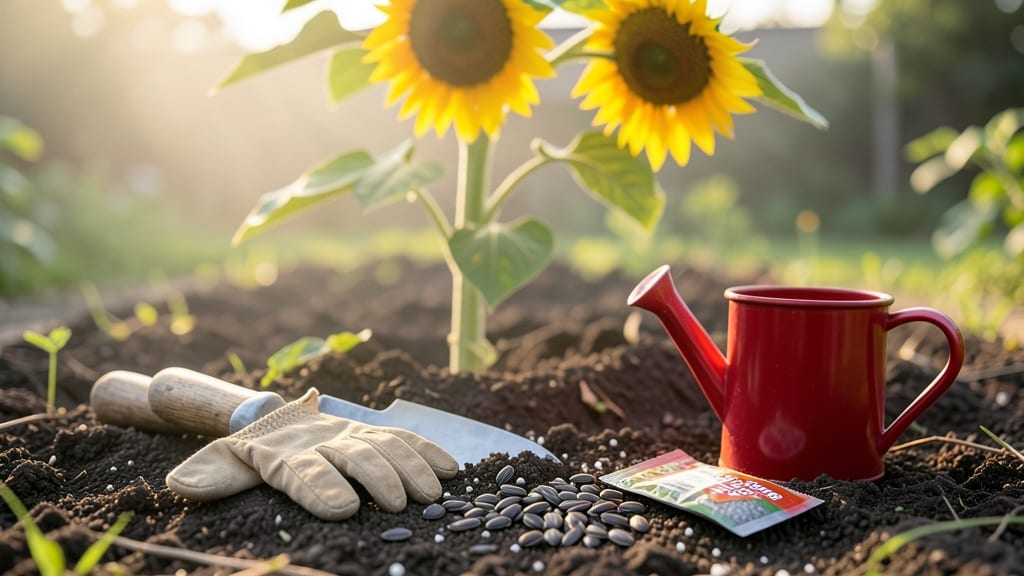
Planting sunflower seeds at the wrong time can leave you staring at sad, stunted sprouts instead of towering 🌻 giants—but getting the timing right is easier than you think.
The key lies in waiting for warm soil and frost-free days, which means your local climate zone matters more than you’d expect.
For most gardeners in USDA Zone 6a, the sweet spot is April through May, right after the last frost date. This window ensures your seeds get the 60°F+ soil temperature they crave to germinate quickly, avoiding the slow, leggy growth that happens when you plant too early.
Whether you're growing 3-foot dwarf varieties or 15-foot giants, the principles stay the same: direct sowing outdoors is best, and rushing the process rarely pays off. I’ll show you exactly how to time your planting for faster sprouts and bigger blooms—no guesswork required.
Once you nail the timing, caring for sunflowers is surprisingly low-maintenance. With the right soil prep and a little patience, you’ll be harvesting seeds in 70 days or less. Let’s get those seeds in the ground the right way.


Optimal sunflower planting times by US climate Zones
Sunflowers are warm-season lovers that need consistent soil temperatures above 60°F (15°C) to germinate properly. Planting too early in cold soil can leave seeds rotting in the ground, while waiting too long may stunt growth before the first frost.
Your USDA hardiness zone and last frost date are your best guides—but soil temperature is the real game-changer.
Most gardeners focus on frost dates, but sunflowers actually care more about soil warmth than air temperature. A soil thermometer (just $10 at garden centers) will become your new best friend.
For example, in Zone 4, you might see frost-free dates in early May, but if your soil hasn’t warmed to 60°F yet, your seeds will sulk in the cold. Let’s break down the perfect planting windows by zone.
Pro Tip: Sunflowers grow 1-2 inches per day once established, so timing is everything. A late planting in hot zones (like Zone 10) might mean bolting before blooming, while early plantings in cold zones (Zone 3) risk frost damage. The sweet spot? Plant when your soil hits 60°F and you have 80+ days until first frost.
In Zones 3-4, where winters are harsh, focus on mid-May to early June plantings. These areas often have short growing seasons, so choose fast-maturing varieties (like 'Moulin Rouge' at 50 days) to ensure blooms before frost.
A trick I’ve used? Lay down black plastic mulch 1-2 weeks before planting to accelerate soil warming by 5-10°F.
For Zones 5-6, your window opens earlier—late April to mid-May. Here, soil warms faster, but don’t rush! Test with your soil thermometer at 6 inches deep (where seeds will be).
If it’s below 60°F, wait. Pro tip: In cooler microclimates, start seeds indoors under grow lights 2 weeks before the last frost date for a head start.
Gardeners in Zones 7-8 have the most flexibility, with plantings possible from early April to late May. The key here is succession planting: Sow seeds every 2-3 weeks for continuous blooms.
In these zones, you can even experiment with fall plantings (August-September) for winter interest, though growth will slow dramatically as temperatures drop.
If you live in Zones 9-10, sunflowers are year-round possibilities, but timing matters for bloom quality. Plant in February-March for summer blooms or August-September for winter flowers.
Just beware of bolting—when extreme heat causes plants to shoot up stems without blooming. Provide afternoon shade in peak summer to prevent this.
Remember, sunflowers are direct-sow champions—they hate transplanting. Once your soil hits that 60°F threshold, drop seeds 1 inch deep and 6 inches apart. Thin to 12-18 inches when seedlings are 3 inches tall.
The bigger the space, the bigger your blooms! For giant varieties (like 'Russian Giant'), give them
How to time sunflower planting for maximum bloom size
Sunflowers reach their maximum bloom potential when planted at the right time, but the science behind timing goes beyond just avoiding frost. These plants are daylength-sensitive, meaning their growth responds to daylight hours and soil temperatures.
Giant varieties like 'Mammoth' or 'Russian Giant' need a longer growing season, while dwarf types like 'Teddy Bear' bloom faster. Getting this balance right ensures bigger blooms and stronger stems.
Temperature plays a crucial role too—sunflower seeds won’t germinate well in cold soil, even if air temperatures are warm. The ideal soil temperature for germination is 60°F or higher.
In cooler climates, waiting for soil to warm naturally can mean delaying planting until late spring, while warmer regions might start as early as March or early April. Adjusting your planting window based on your local climate and sunflower variety is key to unlocking their full potential.
- Plant giant varieties 2-3 weeks earlier than dwarf types to maximize their longer growing season.
- Wait until soil reaches 60°F+—use a soil thermometer to check depth.
- In USDA Zones 3-5, aim for late May planting to avoid early frost damage.
- For Zones 6-10, plant between mid-April and early June for staggered blooms.
- Adjust for daylength sensitivity: shorter days in fall trigger flowering in mature plants.
- Use black plastic mulch to warm soil faster in cooler climates.
- For container growing, plant slightly later (after May 15) to prevent root stress.
Daylength sensitivity is another critical factor. Sunflowers are short-day plants, meaning they flower in response to decreasing daylight hours. In northern latitudes, planting earlier ensures they experience the longer summer days needed for robust growth before flowering.
Conversely, in southern climates, planting later can prevent bolting (premature flowering) caused by heat stress.
For giant sunflowers, start seeds indoors 4-6 weeks before your last frost date if your growing season is short. Transplant seedlings outdoors after the soil warms, spacing them 12-18 inches apart to give roots room to establish.
Dwarf varieties can handle closer spacing (6-12 inches) and are more forgiving if planted slightly later.
Monitor your plants closely after germination. If they grow too slowly, they may need more sunlight or warmer soil. Stunted growth or yellowing leaves can signal temperature stress or nutrient deficiencies.
Fertilize lightly with a balanced 5-10-10 formula once they reach 12 inches tall to support stem strength and bloom size.
Remember, the goal is bigger blooms, not just more flowers. By aligning your planting with soil warmth, daylight patterns, and variety-specific needs, you’ll coax out those showstopping sunflower heads that turn heads—and attract pollinators—all season long. 🌻