
Blooming
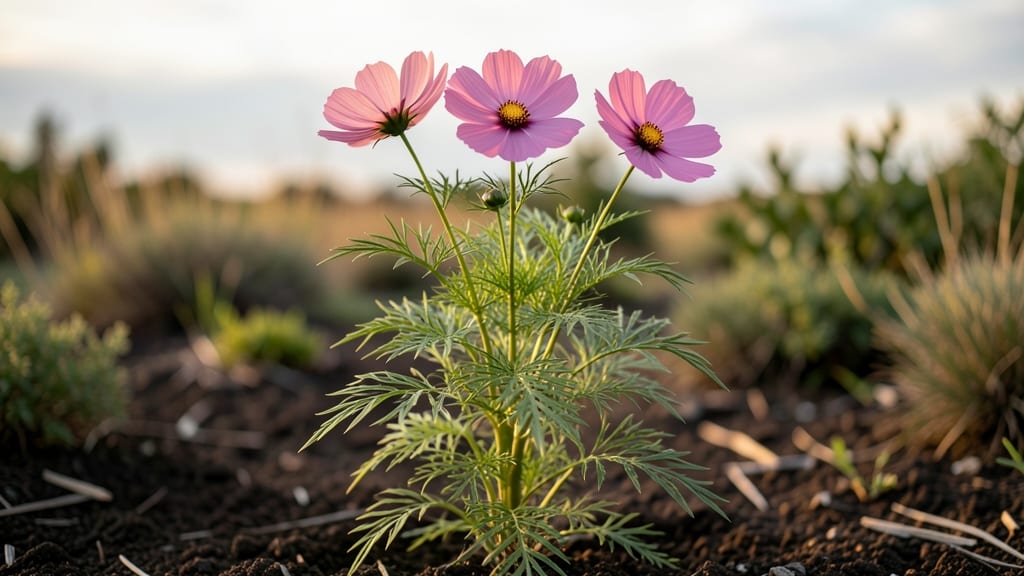
If you're eager to see your garden burst into vibrant color with fast-blooming cosmos 🌸, timing their flowering season is everything. These sun-loving beauties thrive when planted just right, rewarding you with weeks of cheerful blooms that attract pollinators and add effortless charm to any space.
Most cosmos varieties burst into flower between July and October, making them perfect for late-summer gardens. But did you know some types bloom even faster? With the right care, you can coax earlier flowers or stretch their season longer than you'd expect—even in cooler climates like USDA Zone 6a.
What if I told you there's a simple trick to get your cosmos flowering weeks earlier? It starts with understanding their love for heat and sunlight, plus a few pro tips that turn ordinary plants into showstopping displays.
Let me show you how to maximize their blooming potential this year.
From selecting the quickest varieties to extending their season through deadheading and smart watering, we'll cover everything you need. Whether you're a beginner or a seasoned gardener, these insights will help you enjoy cosmos blooms for months—without the fuss.
When do cosmos flowers bloom: seasonal timeline by variety and climate
Cosmos flowers are the sun-loving superstars of the summer garden, offering fast blooms and low-maintenance beauty. But their flowering season varies dramatically depending on the variety and your USDA zone.
Whether you're in chilly Zone 3 or balmy Zone 11, knowing when to expect those cheerful faces helps you plan your garden for maximum impact.
The key to cosmos success lies in their heat tolerance and quick growth cycle. Most varieties start blooming just 60-75 days after sowing, but cooler climates may delay this by weeks. Understanding these patterns lets you stagger plantings for continuous color from early summer through frost.
Here’s the breakdown you’ve been waiting for—a seasonal timeline by popular cosmos varieties, plus how to adjust for your specific climate zone.
| Variety | Early Bloom Window | Peak Bloom | Late Bloom Window | USDA Zones | Climate Notes |
|---|---|---|---|---|---|
| Bright Lights | Late July | August-September | Early October | 5-11 | Dwarf variety; thrives in heat |
| Sensation Mix | Early July | July-August | Mid-October | 3-11 | Cold-hardy; blooms earliest |
| Seashells | Mid-July | August-September | Late September | 6-11 | Heat-sensitive; needs consistent water |
| Cosmos bipinnatus | Late June | July-September | Early November | 4-11 | Classic type; longest bloom season |
| Cosmos sulphureus | Early August | September-October | Mid-November | 7-11 | Late-season; loves humidity |
For gardeners in USDA Zones 3-5, expect cosmos to bloom 2-4 weeks later than the timeline above. Start seeds indoors 4-6 weeks before your last frost date to give them a head start.
In Zones 6-8, direct sow after frost for on-time blooms, while Zones 9-11 can enjoy year-round plantings with minimal frost concerns.
Pro tip: In cooler zones, choose Sensation Mix for early color. In hot climates, Cosmos sulphureus thrives when others fade. Always plant in full sun—cosmos need at least 6 hours of direct light daily to trigger blooming.
If you’re in a transitional zone (like Zone 6a), try staggered plantings every 2 weeks. This ensures continuous blooms from late June through October, giving you a 4-month color show with minimal effort.
Watch for heat stress in late summer—wilting cosmos often just need a good drink. Mulch around the base to retain moisture and extend the season by 2-3 weeks. In frost-prone areas, cut back stems after the first frost to encourage reblooming next spring in mild winters.
For container gardeners, dwarf varieties like Bright Lights bloom earlier and longer than their taller cousins. Place pots in south-facing spots to maximize sunlight exposure, which directly impacts flowering timing.
Remember: Cosmos are self-seeding champions. Let some flowers go to seed at season’s end, and you’ll have volunteer blooms popping up next year—often earlier than your original plantings!
5 Proven tips to extend your cosmos flowering season longer than ever
Want your cosmos to bloom nonstop from summer through fall? The secret lies in a few simple yet powerful techniques that trick these sun-loving flowers into producing more blooms for longer. Unlike many flowers, cosmos are self-cleaning and drought-tolerant, but they still need a little help to maximize their potential.
Most gardeners assume cosmos will fade by early fall, but with the right care, you can enjoy vibrant blooms well into October or even November in warmer climates.
The key is understanding their natural growth habits and giving them exactly what they need—sunlight, nutrients, and consistent care—without overcomplicating things.
- Deadhead daily—Snip spent blooms below the next set of buds to encourage continuous flowering.
- Feed lightly—Use a balanced 5-10-10 fertilizer every 4-6 weeks to boost growth without burning plants.
- Water deeply—Soak roots once a week (more in extreme heat) to prevent shallow root stress.
- Plant with borage—This companion plant deters pests and attracts pollinators, prolonging bloom time.
- Maximize sunlight—Ensure 6+ hours of direct sun daily; even partial shade can shorten the season.
Let’s start with the easiest tip: deadheading. Cosmos produce new buds along their stems, so removing faded flowers redirects the plant’s energy to new growth instead of seed production.
Grab a pair of clean pruners and snip just above a set of leaves or buds—this simple act can double your bloom time.
Next, focus on soil nutrition. Cosmos aren’t heavy feeders, but a light application of balanced fertilizer (like 5-10-10) every 4-6 weeks keeps them thriving. Avoid over-fertilizing, as this can lead to leafy growth at the expense of flowers. Instead, aim for a moderate, steady supply of nutrients.
Watering might seem straightforward, but timing and depth matter. Cosmos are drought-tolerant once established, but they still need deep, infrequent watering to encourage strong root systems. Water in the morning to reduce evaporation and fungal risks.
In extreme heat, you might need to water every 2-3 days, but most gardens thrive with weekly deep soakings.
Don’t overlook the power of companion planting. Pairing cosmos with borage, nasturtiums, or marigolds creates a pest-free zone and attracts more pollinators, which can stimulate even more blooms. Plus, their contrasting colors make your garden pop even harder.
Finally, light exposure is non-negotiable. Cosmos love full sun—at least 6-8 hours daily. If your garden gets less, consider growing them in a south-facing container or near a reflective surface to maximize sunlight. Even an hour less of sun can shorten their flowering season noticeably.