
Flowers
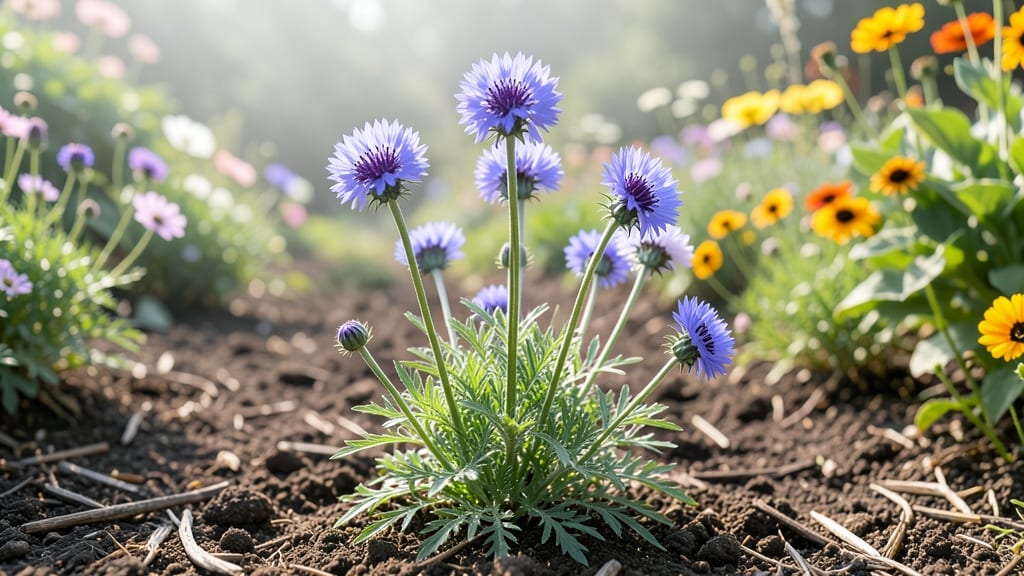
If you're planning a garden border or wildflower meadow, knowing how tall do cornflowers grow is the first step to creating a balanced, eye-catching display. These cheerful 🌼 blooms can range from delicate 1-foot dwarf varieties to towering 4-foot giants, depending on the cultivar and growing conditions.
For beginners, this height variation might seem overwhelming—but it’s actually the key to designing a garden that thrives. Whether you’re planting in USDA Zone 6a or another similar climate, choosing the right cornflower height ensures your flowers won’t get lost in the mix or overwhelm smaller plants.
In this guide, I’ll break down the height ranges of popular cornflower varieties, from the compact 'Black Ball' to the striking 'Blue Boy,' so you can plan your garden layout with confidence. You’ll also learn how sunlight, soil, and spacing affect their growth—so your cornflowers reach their full potential.
Ready to transform your garden into a pollinator paradise? Let’s dive into the details so you can pick the perfect cornflowers for your space—and watch them flourish from June through September.

Cornflower height by variety: a complete growth guide for gardeners
Cornflowers (Centaurea cyanus) are beloved for their striking blue blooms, but their mature height can vary significantly depending on the variety. As a gardener, understanding these differences helps you plan spacing, companion plants, and garden layouts for maximum impact.
Whether you're cultivating annual cornflowers for vibrant summer color or perennial types for long-term beauty, knowing how tall each variety grows ensures your garden thrives. Let's explore the height ranges and growth habits of popular cornflower cultivars.
Most cornflowers fall into three height categories: dwarf (1-2 ft), medium (2-3 ft), and tall (3-4 ft). The annual varieties typically reach their mature height within a single growing season, while perennial cornflowers may take two years to fully establish their height potential.
Proper spacing is crucial—crowding can stunt growth and reduce flower production, while too much space may leave gaps in your garden design.
| Variety | Type | Mature Height | Spacing | Best For |
|---|---|---|---|---|
| 'Black Ball' | Annual | 2-3 ft | 12-18 in apart | Cut flowers, borders |
| 'Blue Boy' | Annual | 3-4 ft | 18-24 in apart | Back of borders, tall arrangements |
| 'White Queen' | Annual | 2-3 ft | 12-18 in apart | Contrast plantings, cottage gardens |
| 'Carmen' | Annual | 1-2 ft | 9-12 in apart | Front of borders, containers |
| 'Perennial Cornflower' | Perennial | 2-3 ft | 18-24 in apart | Wildflower meadows, perennial beds |
| 'Blue Horizon' | Annual | 3-4 ft | 18-24 in apart | Tall arrangements, cut flower gardens |
The 'Blue Boy' and 'Blue Horizon' varieties are among the tallest cornflowers, reaching 3-4 ft at maturity. These cultivars are perfect for the back of borders or as focal points in mixed flower beds.
Their height makes them excellent for cut flower arrangements, where their sturdy stems can hold up well in bouquets. When planting these tall varieties, give them plenty of space—18-24 inches apart—to prevent overcrowding and ensure strong stems.
For shorter cornflowers, consider varieties like 'Carmen', which maxes out at 1-2 ft. These dwarf types are ideal for container gardening, rock gardens, or the front of borders.
Their compact size also makes them perfect for pollinator gardens, where bees and butterflies can easily access the flowers without getting tangled in tall stems. Space these varieties 9-12 inches apart to allow for airflow and prevent disease.
If you're designing a wildflower meadow, perennial cornflowers are an excellent choice. They typically grow 2-3 ft tall and self-seed readily, creating naturalized drifts over time. These varieties thrive in poor soil conditions and require minimal maintenance, making them perfect for low-maintenance gardens.
Plant them 18-24 inches apart to give them room to spread and establish.
When planning your garden layout, consider pairing tall cornflowers with shorter plants like lavender or salvia to create visual interest. The 'Black Ball' variety, which grows 2-3 ft tall, works beautifully alongside sunflowers or hollyhocks for a dramatic backdrop.
For a cottage garden look, mix the 'White Queen' variety with pinks or sweet williams for a soft, romantic feel.
One common mistake gardeners make is overcrowding cornflowers, which can lead to leggy stems and fewer blooms. Always follow the spacing recommendations for each variety to ensure healthy growth.
If you're growing cornflowers in containers, choose dwarf varieties like 'Carmen' and plant 3-5 plants per 12-inch pot to create a full, bushy display. For ground planting, use the spacing guidelines in the table above to maintain a balanced and vibrant garden.
In USDA Zones 3-9, cornflowers thrive in full sun with well-draining soil. While they're drought-tolerant once established, consistent moisture during the first 6 weeks of growth encourages stronger stems and more abundant blooms.
Avoid over-fertilizing, as cornflowers prefer lean soil and may produce fewer flowers if given too many nutrients. A light application of balanced fertilizer (5-10-10) at planting time is usually sufficient.
For
How to choose cornflower heights for your garden design
Creating a visually stunning garden isn't just about color—it's about height variation. Cornflowers offer the perfect opportunity to add dimensional interest with their diverse height ranges.
By strategically pairing tall, medium, and dwarf varieties, you can create a layered look that draws the eye while supporting pollinators like bees and butterflies. The key is understanding how each type contributes to your design before planting.
Start by identifying your garden's backbone plants—those that will anchor your design. Tall cornflowers like 'Black Ball' (up to 36 inches) work beautifully as backdrop plants, while medium varieties (24-30 inches) like 'Blue Boy' create a mid-level transition.
For foreground interest, dwarf types (12-18 inches) like 'White Queen' add delicate touches without overwhelming smaller perennials.
Ideal for back borders or wildflower meadows. Pair with sunflowers or hollyhocks for vertical drama. Perfect for mixed borders or pollinator gardens. Combine with lavender or catmint for texture contrast. Great for container gardens or rockeries. Plant near thyme or alyssum for low-growing companions. To avoid overcrowding, space tall cornflowers 12-18 inches apart, medium types 8-12 inches apart, and dwarfs 6-8 inches apart. This spacing ensures air circulation while preventing taller varieties from shading smaller ones. Pro tip: Group three tall plants together to create a natural focal point—this mimics how they grow in wildflower meadows. For a pollinator paradise, interplant cornflowers with complementary flowers that bloom at different times. Sunflowers (tall) paired with cornflowers (medium) and lavender (dwarf) create a season-long spectacle. The sunflowers provide early nectar, cornflowers peak mid-season, and lavender extends the show into fall. This stratified blooming keeps pollinators visiting all summer long. Don't forget to consider your garden's existing structures. Use tall cornflowers to frame trellises or archways, while medium varieties can soften fences or path edges. Dwarf types excel in window boxes or as spillers in hanging baskets. By thoughtfully layering heights, you'll transform a flat garden into a dynamic, three-dimensional masterpiece that thrives with life and color. Remember, the magic happens in the details. A well-designed cornflower garden isn't just about height—it's about harmony. When you balance structure, texture, and color, you create a space that's as functional as it is beautiful. Happy planting! 🌸