
Flowers
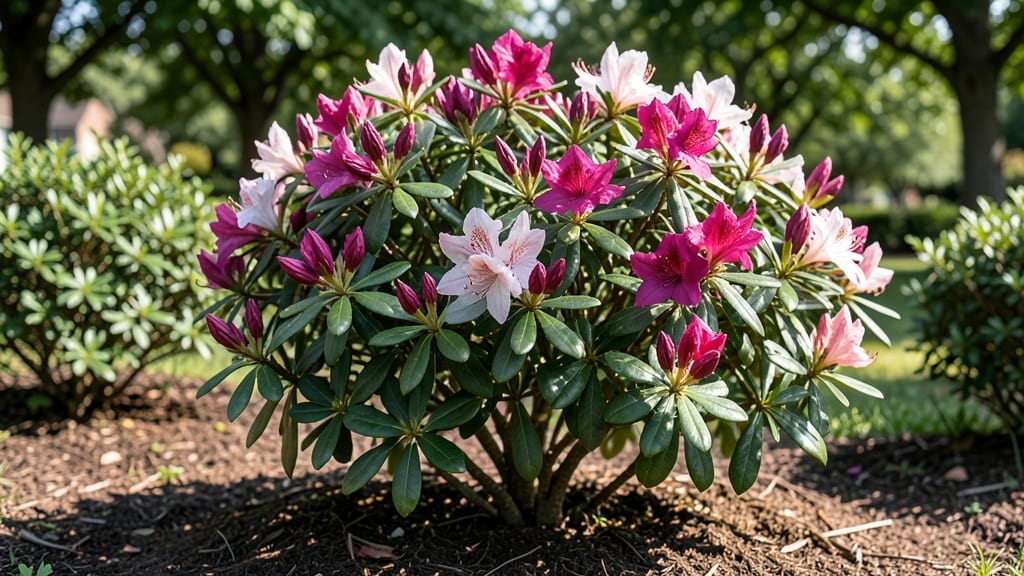
Azaleas flower at the most magical times of year—spring’s first blush or fall’s fiery finale—but getting the timing right depends on your variety and where you live.
If you’ve ever wondered why your neighbor’s shrubs burst into 🌸 bloom while yours sits quietly, the answer lies in your USDA zone and the specific type of azalea you’re growing.
Most gardeners in Zone 6a (like me!) catch the early spring show between April and May, but some late bloomers hold off until late spring or even early summer.
Meanwhile, fall-blooming varieties—like the stunning 'Southern Indica'—light up gardens from September through October, extending your color palette well into autumn.
Here’s the game-changer: knowing your azalea’s blooming window isn’t just about aesthetics—it’s about care. Prune at the right time, adjust sunlight, and tweak soil pH, and you’ll turn a single season of blooms into a year-round spectacle.
Let’s break down exactly when to expect those show-stopping flowers based on your climate and the type of azalea you’re growing.
From the first hints of bud to the last petal drop, I’ll walk you through the exact months your azaleas will shine—and how to make sure they put on the best show possible. Ready to transform your garden into a year-round floral masterpiece?
Azalea blooming timeline by USDA hardiness Zones: when to expect flowers
Azaleas are one of the most anticipated spring bloomers, but their exact flowering window depends heavily on your USDA hardiness zone and whether you grow early-season or late-season varieties.
In Zone 4, you might see blooms as early as mid-May, while Zone 10 gardens can enjoy flowers from December through April. Understanding these differences helps you plan your garden's seasonal color palette and avoid disappointment when your azaleas don't bloom on schedule.
Climate plays a critical role in azalea flowering. Cooler northern zones (4-6) typically experience earlier spring blooms triggered by warming temperatures after winter dormancy. Meanwhile, warmer southern zones (7-10) often have fall-blooming varieties that respond to shorter daylight hours.
Even within the same zone, microclimates—like urban heat islands or coastal areas—can shift bloom times by 2-4 weeks. For example, a Zone 7 garden in Atlanta might bloom two weeks earlier than one in the Appalachian Mountains.
Most azaleas bloom in spring, but some stunning varieties are fall bloomers, offering color when many gardens are winding down. The key difference lies in their bud formation cycles: spring bloomers set buds in the previous summer, while fall varieties form buds in early spring.
This distinction is crucial for gardeners in Zones 6-9, where both types thrive. For instance, 'Knock Out' azaleas are reliable spring bloomers, while 'Southern Indica' types shine in fall.
Here's a detailed comparison of azalea blooming windows across USDA zones, including regional variations and climate impacts:
| USDA Zone | Early Bloomers (Spring) | Late Bloomers (Fall) | Key Varieties | Climate Notes |
|---|---|---|---|---|
| 4-5 | Mid-May to early June | None (too cold) | 'Girard's', 'Hino Crimson' | Short season; frost risk after blooms |
| 6-7 | Late April to mid-May | Late September to October | 'Bow Bells', 'Southern Indica' | Humid summers delay fall blooms |
| 8-9 | March to early April | October to November | 'Formosa', 'Oconee' | Mild winters; year-round blooms possible |
| 10 | December to February | September to October | 'George L. Taber', 'Birkwood' | Tropical varieties; minimal dormancy |
In Zones 4-5, azaleas are almost exclusively spring bloomers, with most varieties flowering between mid-May and early June. These northern gardens have a shorter blooming window—often just 3-4 weeks—due to the rapid warming after winter.
I've seen 'Girard's' azaleas in Zone 5 burst into color by May 1st, only to face frost threats by June 15th. To protect your blooms, choose late-season varieties like 'Hino Crimson', which often hold their color longer.
Gardeners in Zones 6-7 enjoy the best of both worlds, with spring blooms from late April and fall displays from September. The Appalachian Mountains in Zone 6 can see azaleas bloom 2-3 weeks earlier than flatland areas due to cooler temperatures.
For fall bloomers, focus on 'Southern Indica' types, which thrive in these zones and offer vibrant colors when many gardens are winding down. In humid climates, like the Southeastern U.S., fall blooms may arrive later due to prolonged warmth.
Warmer Zones 8-9 push the boundaries of azalea blooming seasons, with some varieties flowering as early as March and others lasting into November. In Zone 8, I've observed 'Formosa' azaleas bloom in late February, followed by a second flush in
Top 5 azalea varieties ranked by flowering season: early vs. late bloomers
If you're planning your garden's spring color palette, knowing when azaleas flower can make all the difference. Some varieties burst into bloom as early as March in warm zones, while others wait until May or even June.
The timing depends entirely on the azalea variety and your USDA zone. I’ve ranked the top five azaleas by their flowering windows to help you strategize your landscape design.
Early bloomers like Rhododendron 'Girard’s' often reward you with pink flowers in late winter or early spring, while late bloomers such as 'Formosa' might not peak until late spring or early summer.
This variety comparison will help you choose azaleas that align with your desired bloom time and garden aesthetic.
🌸 Azalea Bloom Timing by Variety
Rhododendron 'Girard’s' is my top pick for early bloomers, with pink flowers appearing in March in warmer zones like USDA Zone 7-10. This variety thrives in partial shade and adds a soft contrast to dark evergreens. Its blooms last 3-4 weeks, making it perfect for extending your garden’s color season.
'Hino Crimson' is a mid-season star with deep red flowers that typically bloom in April or early May. This variety is hardy in USDA Zones 6-9 and produces large, showy clusters that attract pollinators. Its vibrant color makes it a standout in mixed borders or as a focal point.
'Bow Bells' is another mid-season favorite, known for its bell-shaped pink flowers that appear in late April to May. It’s a compact shrub (3-4 feet tall) ideal for small gardens or containers. This variety is also disease-resistant, making it a low-maintenance choice for busy gardeners.
For late bloomers, 'Southern Indica' delivers white to pale pink flowers in May or June, perfect for filling gaps after early bloomers fade. Native to the southeastern U.S., it thrives in USDA Zones 7-10 and tolerates humid climates.
Its long bloom season (up to 6 weeks) ensures extended color.
Finally, 'Formosa' is a late-season showstopper with large white flowers that bloom in late May to June. This variety is heat-tolerant and ideal for USDA Zones 7-10. Its fragrant blooms add a sensory delight to summer gardens, making it a favorite for perfumed landscapes.