
Blooming
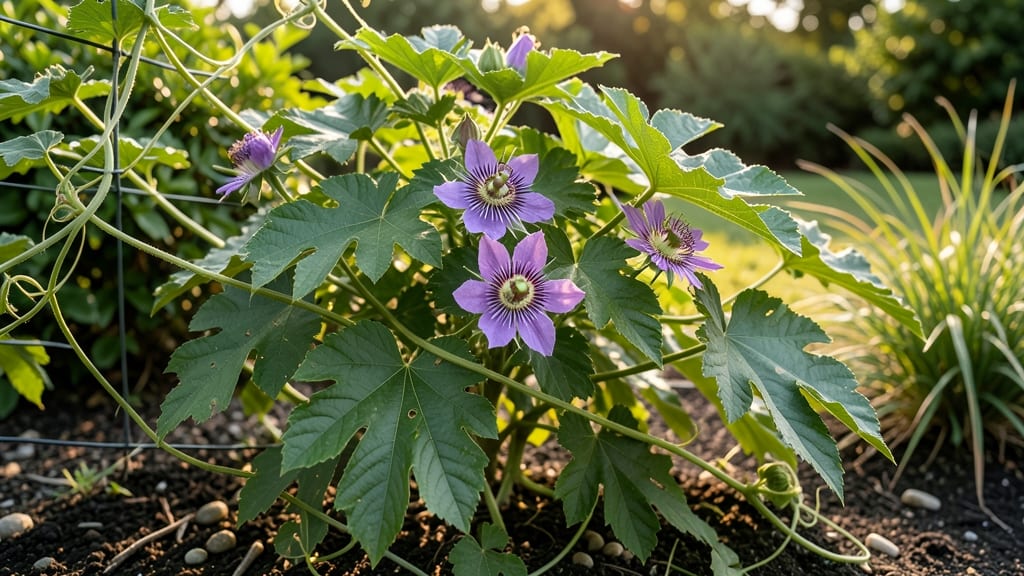
When your passionfruit 🍈 vine starts flowering is the moment it’s been waiting for—if you know exactly when to expect those vibrant blooms, you can plan for a harvest that’ll make your taste buds dance.
Timing is everything, especially since passionfruit thrive in USDA Zones 10-12 (or frost-free 9b areas), where blooms can appear year-round—but in cooler climates, they typically kick off in late spring to early summer.
Whether you’re growing purple or yellow passionfruit, understanding these cycles helps you avoid common pitfalls like missed harvests or wasted energy.
In this guide, I’ll break down the exact months passionfruit flower in your zone, plus the key factors (sunlight, temperature, and plant maturity) that influence when those fragrant blooms pop up.
You’ll also discover proven tips to encourage faster, healthier flowering—so you can go from vine to fruit in no time.
Ready to turn your passionfruit plant into a blooming, fruiting powerhouse? Let’s dive into the science—and secrets—behind those coveted flowers.
Passionfruit flowering months by USDA Zone: a month-by-month breakdown
Timing is everything when it comes to growing passionfruit—especially if you're dreaming of those sweet, tangy fruits. In USDA Zones 7-11, flowering periods vary dramatically based on temperature, variety, and even your local microclimate.
Purple passionfruit (Passiflora edulis) and yellow passionfruit (Passiflora edulis flavicarpa) both bloom, but their schedules differ slightly. Understanding these patterns helps you plan pruning, fertilize, and harvest at the perfect time.
In warmer zones (9-11), passionfruit vines can flower year-round, though they peak during spring and summer when days are longest. Cooler zones (7-8) experience a more defined spring flowering window, often between March and June, with a second flush in fall if temperatures remain mild.
Temperature plays a critical role—below 50°F (10°C) can stunt blooms, while consistent 70-85°F (21-29°C) encourages abundant flowers.
Here’s a detailed breakdown of when to expect blooms in each zone, including early, peak, and late flowering periods for both varieties:
| USDA Zone | Purple Passionfruit | Yellow Passionfruit | Key Temperature Notes |
|---|---|---|---|
| Zone 7 | Early: April Peak: May-June Late: September |
Early: May Peak: June-July Late: October |
Needs consistent warmth; blooms stall below 55°F (13°C). |
| Zone 8 | Early: March Peak: April-May Late: August-September |
Early: April Peak: May-June Late: September-October |
Year-round blooms possible with protection from frost. |
| Zone 9 | Year-round, peaks March-May and September-November | Year-round, peaks April-June and October-December | Ideal 75-85°F (24-29°C) for continuous blooms. |
| Zone 10 | Year-round, peaks February-April and August-October | Year-round, peaks March-May and September-November | Heat waves (90°F+) may reduce blooms temporarily. |
| Zone 11 | Year-round, peaks January-March and July-September | Year-round, peaks February-April and August-October | Humidity and consistent warmth support non-stop flowering. |
In Zone 7, where winters are cooler, passionfruit vines often enter a dormant phase and may not bloom until spring. If you’re growing in containers, you can bring potted vines indoors during cold snaps to protect them and encourage earlier blooms the following year.
In contrast, Zones 9-11 offer the advantage of year-round flowering, though blooms may slow during extreme heat or drought.
Yellow passionfruit tends to bloom slightly later than purple varieties in cooler zones, but in warmer climates, the difference is minimal. For example, in Zone 10, both varieties may flower simultaneously in spring, but yellow passionfruit often has a second peak in fall.
This variation is why pruning old wood in late winter can stimulate new growth and encourage more uniform flowering.
Temperature fluctuations can disrupt flowering cycles. For instance, a sudden cold snap in Zone 8 might cause buds to drop, while prolonged heat waves in Zone 11 can lead to fewer blooms. To mitigate this, ensure your vines have well-draining soil and consistent moisture, especially during dry spells.
Mulching with organic matter like straw or wood chips helps regulate soil temperature and retains moisture.
If your passionfruit vine isn’t flowering on schedule, check for these common issues: over-fertilizing with nitrogen (which promotes leafy growth at the expense of flowers), inadequate sunlight (vines need 6+ hours of direct sun daily), or poor circulation (prune to improve airflow and reduce fungal risks).
In Zone 7, consider using a cloche or row cover to extend the growing season and encourage earlier blooms.
For gardeners in
How to speed up passionfruit flowering: proven tips for faster blooms
If your passionfruit vine seems more interested in leaves than flowers, don’t worry—you’re not alone. The good news? With the right adjustments, you can accelerate flowering and get those fragrant blooms (and eventual fruit!) months sooner than expected.
Passionfruit plants respond beautifully to targeted care, especially when it comes to pruning, sunlight, and nutrient balance. Let’s dive into the most effective strategies to transform your vine into a flowering machine.
The key to faster blooms lies in understanding your plant’s natural rhythm. Passionfruit vines typically flower when they reach maturity (12-18 months old), but environmental factors like temperature, sunlight exposure, and stress levels can delay or speed up this process.
In cooler USDA Zones 7-9, flowering often starts in late spring, while in Zones 10-12, it can happen year-round if conditions are ideal. By tweaking a few critical elements, you can push your vine into bloom cycles earlier and more abundantly.
- 🌞 Maximize sunlight to 6+ hours daily—passionfruit vines need full sun to trigger flowering hormones.
- ✂️ Prune aggressively in late winter to remove old wood and encourage new, flowering-friendly growth.
- 💧 Water deeply but consistently—avoid drought stress or overwatering, both of which delay blooms.
- 🌿 Fertilize with phosphorus-rich food (like bone meal) to boost flower production.
- 🌡️ Keep temperatures stable—passionfruit thrives in 70-85°F; extreme heat or cold stalls flowering.
One of the fastest ways to encourage flowering is by pruning your passionfruit vine strategically. I recommend a two-step pruning approach: First, remove any dead or diseased wood in early spring to declutter the plant.
Then, in late winter (just before new growth starts), cut back up to 50% of the vine, focusing on older, non-flowering branches. This shock may seem drastic, but it signals the plant to redirect energy into producing new, flowering shoots.
For USDA Zones 7-9, aim for this prune in February or March, while in warmer zones, you can prune year-round.
Don’t underestimate the power of fertilizer adjustments either. Passionfruit vines need a balanced diet, but too much nitrogen can lead to lush foliage at the expense of flowers. Switch to a phosphorus-heavy fertilizer (like 5-10-10) when you notice new growth in spring.
Apply it every 4-6 weeks during the growing season, and always water it in thoroughly to prevent root burn. In Zones 10-12, where flowering can happen year-round, I recommend a light feeding every 8 weeks to maintain steady bloom production without overwhelming the plant.
Sunlight is non-negotiable when it comes to passionfruit flowering. These vines are sun worshippers and need at least 6 hours of direct sunlight daily to trigger the hormonal changes that lead to blooms.
If your vine is in a spot with partial shade, consider relocating it or using a reflective surface (like a white wall or mirror) to bounce extra light onto the leaves.
In cooler zones (7-9), where sunlight is less intense, supplement with a grow light during winter months to keep the plant active and ready to flower.
Finally, watering habits play a surprising role in flowering timing. Passionfruit vines need consistent moisture but hate soggy roots. Aim for deep watering 2-3 times per week in hot weather, ensuring the soil stays evenly moist but well-draining.
In Zones 10-12, where humidity is high, reduce watering slightly to avoid fungal issues that can stress the plant. The goal is to keep your vine happy and healthy—stress from overwatering or drought will delay blooms, so find that sweet spot in your local climate.
With these targeted strategies, you’ll see a noticeable increase in blooms within 4-8 weeks. Remember, passionfruit vines are patient but responsive—give them the right conditions, and they’ll reward you with abundant flowers and fruit all season long. Happy gardening! 🌿