
Flowers
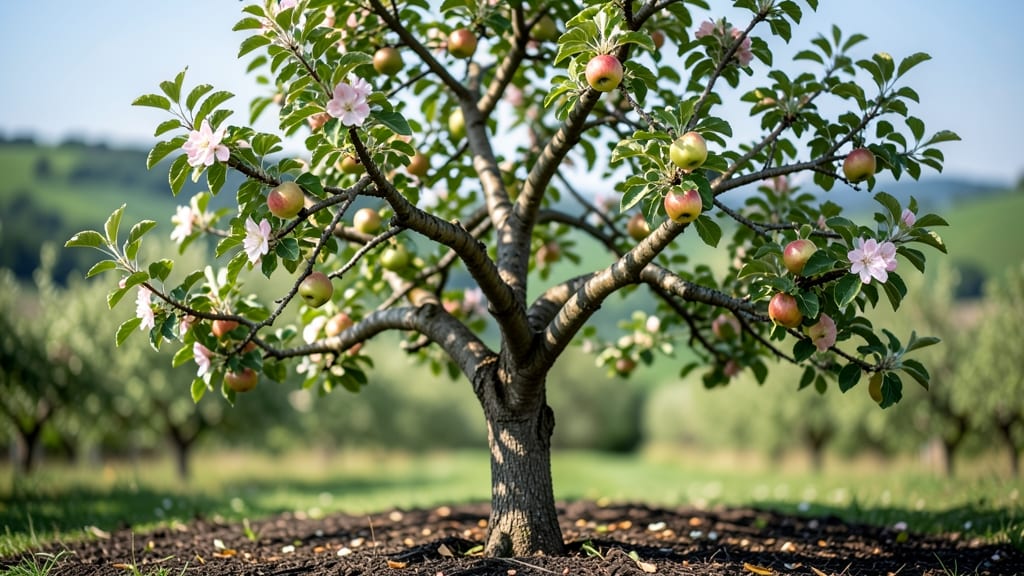
Watching your 🍎 apple tree burst into delicate blossoms only to see most of them fall without fruit can be frustrating—especially when you know those flowers could turn into a bountiful harvest.
The secret to turning those blooms into apples lies in understanding the precise conditions that trigger pollination and fruit development.
Did you know that proper pollination is the most important factor in determining how many apples your tree will bear? Without it, those beautiful flowers simply won’t develop into fruit.
But here’s the good news: with the right timing, environmental conditions, and a few simple strategies, you can dramatically increase your tree’s fruit set.
In this guide, I’ll walk you through the science behind how apple tree flowers become fruit, including the critical 24-48 hour window after blooming when pollination must happen. You’ll also discover actionable tips to maximize your tree’s potential, from attracting pollinators to avoiding common mistakes that sabotage fruit production.
Whether you’re a seasoned gardener or just starting with your first 🍎 apple tree, these insights will help you transform those blossoms into a harvest you’ll be proud of. Let’s get started!
The science behind apple tree flower pollination and fruit development
Apple tree flowers are nature's delicate bridge between spring blooms and summer fruit. But here's the catch: 90% of those blossoms need perfect pollination conditions to develop into apples.
The process starts when pollen travels from one flower's anthers to another's stigma, but timing, weather, and even tree variety play critical roles.
Most apple varieties are cross-pollinated, meaning they require pollen from a different tree to set fruit. Even self-pollinating types like 'Liberty' or 'Enterprise' produce more fruit with a compatible partner nearby.
Without proper pollination, your tree might look stunning in bloom but end up with thin fruit set or total failure.
| Stage | Critical Factors | Ideal Conditions |
|---|---|---|
| Flower Opening | Pollen release | 50-75°F, sunny, dry morning |
| Pollination Window | Pollen transfer | 24-48 hours after bloom, bees active |
| Fertilization | Ovule activation | 60-85°F, 50-70% humidity |
| Fruit Set | Cell division | Consistent water, no frost |
| Pollen Travel | Bee/wind transport | Light breeze (3-10 mph), no rain |
The 24-48 hour window after flowering is the most critical period for successful pollination. During this time, apple tree flowers release pollen that must reach another compatible flower's stigma. Bees are the primary pollinators, but wind can also carry pollen—especially in orchards with dense plantings.
Temperature plays a surprising role: flowers open best between 50-75°F. If it's too cold (<40°F), pollen won't release properly. Too hot (>90°F), and the stigma becomes less receptive. Humidity matters too—high humidity can cause pollen to clump and fail to transfer between flowers.
Pollen travels through three main methods: bee transport (most effective), wind dispersal, and even accidental human movement. For home gardeners, planting bee-friendly flowers nearby like lavender or clover can dramatically increase pollination success rates by attracting more bees to your apple tree.
Once pollination occurs, fertilization happens when the pollen tube grows down the stigma to the ovule. This process takes about 3-5 days, during which the flower's petals often drop. If fertilization succeeds, you'll see tiny applelets forming within 7-10 days—a sure sign your pollination efforts paid off.
However, nature isn't always cooperative. Late spring frosts can destroy blossoms before pollination occurs, while heavy rain during bloom can wash away pollen. Even pesticide use can kill bees that would otherwise pollinate your tree. These factors explain why some years produce bumper crops while others yield almost nothing.
For optimal fruit development after pollination, maintain consistent moisture (1-2 inches of water per week) and avoid over-fertilizing with nitrogen, which promotes leafy growth at the expense of fruit. The first 60 days after pollination are particularly crucial for cell division that determines final apple size.
Understanding this process helps you create the perfect conditions. Plant compatible apple varieties nearby, protect blossoms from frost, and avoid pesticides during bloom time. With these science-backed strategies, you'll transform those delicate flowers into a bountiful harvest of crisp, juicy apples.
5 Proven pollination triggers to boost your apple tree fruit set
Now that you understand the science behind apple tree pollination, let's focus on practical strategies to maximize fruit set. The difference between a sparse harvest and a tree heavy with apples often comes down to these pollination triggers that create ideal conditions for blossoms to develop into fruit.
Many gardeners miss the mark by focusing only on watering or fertilizing, but the real secret lies in optimizing pollination. From planting companion trees to manual pollination techniques, these methods can double or even triple your apple production when applied correctly.
- Plant companion trees - Choose compatible varieties like 'Honeycrisp' with 'Gala' or 'Fuji' with 'Red Delicious' for cross-pollination
- Manual pollination - Use a soft paintbrush to transfer pollen between flowers on cloudy days when bees aren't active
- Bee-attracting plants - Add lavender, clover, or sunflowers near your tree to boost pollinator activity
- Adjust watering - Water deeply in morning during bloom to maintain consistent moisture without wetting flowers
- Prune strategically - Thin branches to improve airflow and expose more blossoms to sunlight and pollinators
The most effective strategy is planting compatible companion trees within 50 feet of your apple tree. Many popular varieties like 'Granny Smith' and 'Golden Delicious' are cross-pollinators, meaning they need pollen from a different variety to set fruit.
Even self-pollinating varieties produce 20-30% more fruit with a compatible partner nearby.
For gardeners with only one apple tree, manual pollination becomes essential. On cloudy days when bees aren't active, use a soft paintbrush to gently transfer pollen from one flower to another. Focus on transferring pollen during the 24-48 hour window after blooming when flowers are most receptive.
Creating a pollinator-friendly garden around your apple tree can increase fruit set by up to 40%. Plant bee-attracting flowers like lavender, clover, or sunflowers within 100 feet of your tree.
These plants provide nectar that keeps bees active during the critical pollination period. Avoid pesticides during bloom time, as even neonicotinoids can harm pollinators.
Your watering schedule plays a crucial role too. During bloom season, water deeply in the morning to maintain consistent moisture without wetting the flowers themselves. Wet blossoms can wash away pollen and create conditions for fungal diseases like apple scab.
Aim for 1-2 inches of water per week during the pollination window.
Finally, strategic pruning can double your fruit set by improving airflow and sunlight exposure. Thin branches to create an open canopy that allows better access for pollinators.
Prune in late winter or early spring before blooming begins, removing any dead or crossing branches that might block sunlight or airflow to blossoms.