
Flowers
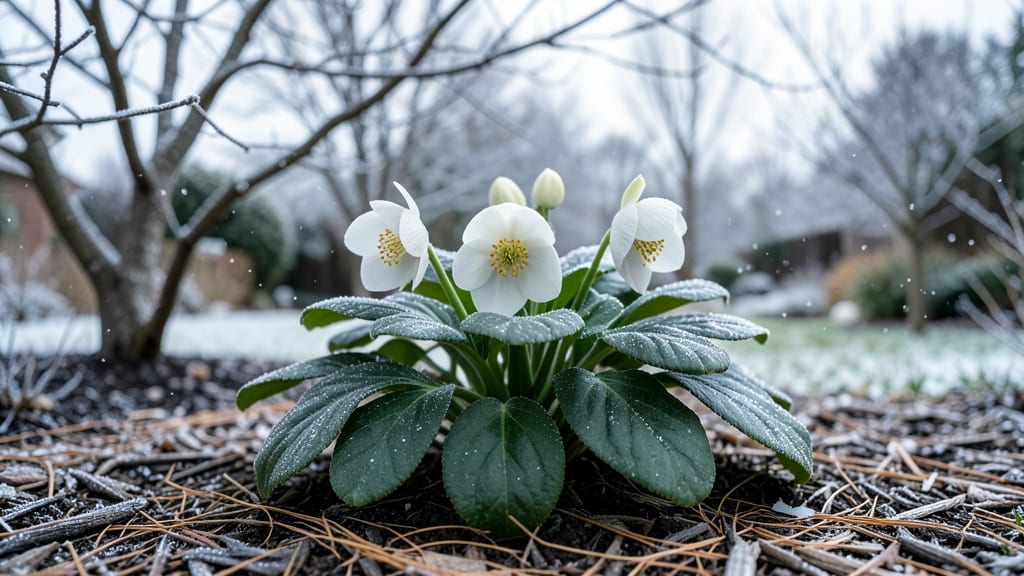
When you picture winter gardens, you probably imagine bare branches and muted tones—but what if I told you there are flowers that bloom in winter, defying the cold and bursting into color when most plants are dormant?
These hardy blooms aren’t just survivors; they’re the unsung heroes that turn frost-kissed landscapes into vibrant canvases.
Take Winter Jasmine 🌸, for example—a USDA Zones 5-9 favorite that blooms in late winter, often before leaves even appear. Its bright yellow flowers aren’t just a splash of color; they’re a sign that spring is on the way.
But Winter Jasmine is just one of many winter-blooming stars waiting to transform your garden.
What makes these flowers so special? They thrive in cold climates, need minimal fuss, and often require less water and sunlight than their spring counterparts.
Whether you’re a seasoned gardener or just starting, adding these cold-hardy blooms to your yard can extend your growing season and keep your outdoor space lively year-round.
Ready to bring life to your winter garden? I’ll walk you through the top winter-blooming flowers, how to plant them for maximum impact, and the simple care tips that keep them flourishing—even when temperatures drop. Let’s get started!
Top 10 winter-blooming flowers that thrive in cold climates
Winter gardens can be just as stunning as spring or summer ones, thanks to a stunning selection of cold-hardy flowers that bloom when most plants are dormant. These frost-resistant beauties not only survive but thrive in temperatures that would freeze other plants.
Whether you're in USDA Zone 4 or Zone 8, these flowers will add vibrant color to your landscape even when snow blankets the ground.
From delicate snowdrops to bold camellias, each of these winter bloomers offers unique textures, colors, and fragrances. Many also attract pollinators like bees and butterflies during the dormant season, giving your garden life when it's most needed.
The key to success lies in understanding their specific growing conditions, including sunlight needs, soil types, and watering routines.
Below is my curated list of the top 10 winter-blooming flowers that will keep your garden vibrant all season long. Each selection includes hardiness details, bloom times, and care tips to help you create a winter wonderland that lasts.
| Flower Name | Hardiness Zones | Bloom Time | Sunlight Needs | Special Features |
|---|---|---|---|---|
| Hellebores (Lenten Rose) | 4-9 | Late winter to early spring | Partial shade | Shade-tolerant, deer-resistant |
| Winter Aconite (Eranthis hyemalis) | 3-8 | January to March | Full sun to partial shade | Bright yellow blooms, early season |
| Snowdrops (Galanthus) | 3-9 | December to February | Partial to full shade | Symbolic of hope, fragrant |
| Winter Jasmine (Jasminum nudiflorum) | 5-9 | February to March | Full sun | Bright yellow flowers, fragrant |
| Camellias | 7-10 | Fall to winter | Partial shade | Glossy leaves, long-lasting blooms |
| Pansies (Viola) | 4-11 | Fall to spring | Full sun to partial shade | Colorful faces, edible flowers |
| Winter Honeysuckle (Lonicera fragrantissima) | 4-8 | Late winter to early spring | Full sun to partial shade | Highly fragrant, early bloomer |
| Christmas Rose (Helleborus niger) | 4-9 | December to February | Partial shade
How to create a stunning winter flower garden: design tips and careCreating a winter flower garden is all about strategic planning and selecting the right plants. While many flowers hibernate in cold weather, certain cold-hardy varieties thrive in winter’s chill. The key is choosing plants that bloom in frost and pairing them with companion plants that complement their colors and care needs. For example, Hellebores and Winter Aconites pair beautifully with evergreens like Boxwood or Holly to create a lush, textured display. Start by assessing your hardiness zone—most winter bloomers thrive in Zones 5-9, but some, like Camellias, prefer milder climates (Zones 7-10). If you’re in a colder region, opt for dwarf varieties or container-friendly plants like Pansies or Violas, which can be moved indoors during extreme cold snaps. Soil preparation is critical. Winter-blooming flowers often prefer well-draining, slightly acidic soil (pH 6.0-7.0). Amend your soil with compost or peat moss in early fall to improve drainage and fertility. Avoid heavy clay soils, which can lead to root rot when temperatures fluctuate. A simple soil test in late autumn will guide your amendments. Are There Flowers That Bloom in Winter?
Pro Tip: Pair evergreens (like Boxwood) with these bloomers for year-round structure. Mulching is your best friend in winter gardens. Apply a 3-4 inch layer of organic mulch (like straw or shredded bark) around plants in late fall to insulate roots and retain moisture. Avoid piling mulch against stems, which can cause rot. For container gardens, use insulated pots or wrap them in bubble wrap during hard freezes to protect roots. Container gardening opens up possibilities for patios and balconies. Choose dwarf winter bloomers like Miniature Cyclamen or Dwarf Pansies in 10-12 inch pots with drainage holes. Use a lightweight potting mix blended with perlite to prevent waterlogging. Place containers near south-facing walls to maximize sunlight and warmth. Seasonal maintenance keeps your winter garden thriving. Prune dead or damaged foliage in early spring to encourage new growth, but avoid heavy pruning until after blooming. Fertilize lightly in early spring with a balanced 10-10-10 fertilizer to support blooming. Water sparingly—most winter flowers need less water than in summer, but containers may require weekly checks to prevent drying out. With the right plant combinations, soil prep, and protective care, your winter garden can be a year-round showstopper. Start small with 3-5 cold-hardy varieties, and expand as you learn what thrives in your microclimate. Before you know it, you’ll have a frost-resistant oasis that neighbors will envy! 🌿 |