
Flowers
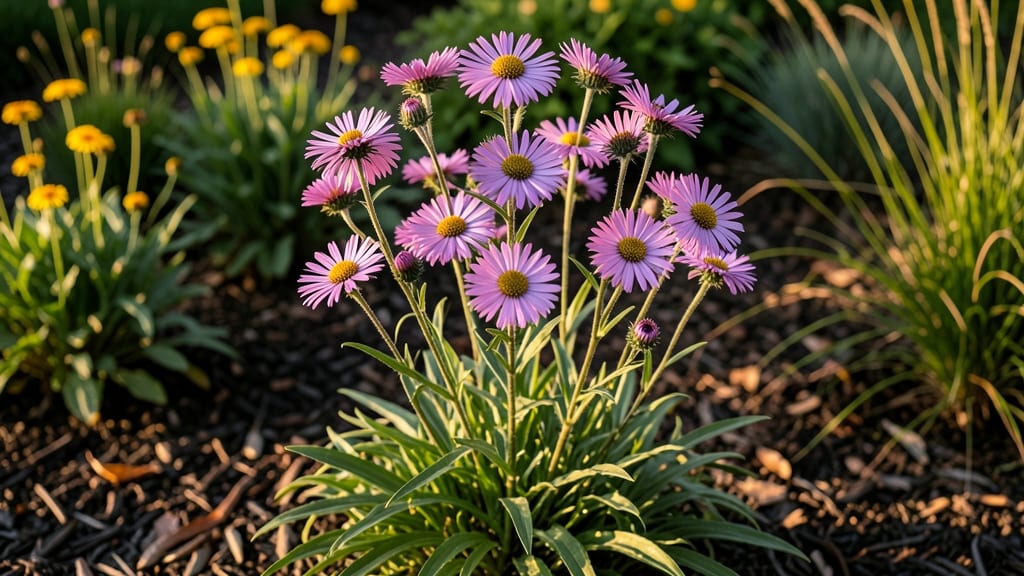
If you're wondering how to control aster flower height without sacrificing their stunning fall blooms, the answer lies in choosing the right varieties and spacing them properly. These cheerful 🌸 flowers can range from compact 6-inch dwarfs to towering 6-foot giants, making them perfect for any garden design.
For gardeners in USDA Zone 6a, planting asters in March or April gives them plenty of time to establish strong roots before their late summer to fall bloom season. The key to managing their height starts with selecting varieties that match your space and vision.
Whether you prefer bushy, low-growing varieties for borders or tall, dramatic specimens for the back of your garden, proper spacing is crucial. Crowding can stunt growth, while too much room may leave gaps in your floral displays.
In this guide, I'll show you how to pick the perfect aster varieties, space them correctly, and use simple pruning techniques to keep them at your desired height. Let's get your garden looking its best with these versatile and beautiful flowers!

Aster flower height variations: dwarf to giant varieties explained
Asters are one of the most versatile fall-blooming flowers, offering height variations that can transform your garden from edge-to-edge ground cover to dramatic backdrop plants. Whether you're working with small containers or creating a wildflower meadow, choosing the right aster variety ensures your space looks intentional and stunning.
The key is understanding how each type grows—some stay compact while others reach skyward.
From dwarf varieties perfect for window boxes to giant asters that rival sunflowers, the height differences are dramatic. For example, Alpine asters max out at just 6 inches tall, while New England asters can soar to 6 feet or more.
This range means you can mix and match to create layers, fill gaps, or add vertical interest—all while keeping maintenance manageable.
Here’s the breakdown of aster flower height you need to plan your garden like a pro:
| Variety | Mature Height | Growth Habit | Best For |
|---|---|---|---|
| Alpine Aster (Aster alpinus) | 6"–12" | Compact, bushy | Rock gardens, borders, containers |
| Dwarf Callistephus (Aster chinensis) | 12"–18" | Upright, clumping | Cut flowers, window boxes, small beds |
| Symphyotrichum 'Wood's Blue' | 18"–24" | Bushy, spreading | Perennial borders, pollinator gardens |
| New England Aster (Symphyotrichum novae-angliae) | 3'–6'+ | Tall, sturdy stems | Back of borders, meadows, cut flowers |
| Chinese Aster (Aster novae-angliae) | 2'–4' | Semi-upright, branching | Mixed borders, containers, mass plantings |
| Italian Aster (Callistephus chinensis) | 1'–3' | Upright, single stems | Annual beds, cut arrangements |
When planning your garden, consider the mature height of each variety to avoid overcrowding. For instance, Alpine asters thrive in rock gardens or as edging, while New England asters need room to spread their lush foliage and towering blooms.
If you're short on space, dwarf varieties like 'Wood's Blue' add color without stealing attention from other plants.
Another factor to consider is the growth habit. Some asters, like Alpine types, stay low and bushy, making them ideal for ground cover or container gardening. Others, such as New England asters, grow tall and sturdy, perfect for backdrop planting or cut flower arrangements.
Mixing heights creates visual interest and mimics the natural layers of a wildflower meadow.
For container gardening, stick to dwarf or semi-dwarf varieties like Callistephus chinensis or Symphyotrichum 'Wood's Blue'. These stay manageable in 10–12 inch pots and thrive with regular deadheading to encourage more blooms.
If you're designing a pollinator-friendly garden, taller varieties like New England asters attract bees and butterflies while providing late-season nectar.
One common mistake is planting tall asters too close together, which can lead to floppy stems or disease spread from poor airflow. Always check the spacing guidelines (we’ll cover that in the next section!) to
Proper spacing requirements for asters by height category
When planting asters, proper spacing isn't just about aesthetics—it's about ensuring each plant gets the airflow and nutrients it needs to thrive. Overcrowding can lead to weak stems, fewer blooms, and even disease, while too much space may leave gaps in your garden's design.
The key is matching your aster flower height to the right spacing guidelines.
For dwarf varieties (1–2 feet tall), you can plant them as close as 12 inches apart, creating a lush, low border. Medium-height asters (2–3 feet) need 18–24 inches of space to develop strong stems and abundant blooms.
Meanwhile, tall varieties (4–6 feet) require 24–36 inches of room to prevent flopping and ensure they reach their full potential.
Why does spacing matter? Proper spacing allows sunlight to reach all parts of the plant, reducing the risk of fungal diseases like powdery mildew. It also gives roots room to spread, ensuring your asters establish firmly and produce larger, healthier blooms. Whether you're planting in borders, containers, or mixed beds, following these guidelines will make all the difference.
If you're planting asters in containers, follow the same spacing rules but choose pots that are at least 12 inches wide for each plant. For tall varieties, opt for deeper containers to support their root systems.
In raised beds, you can space them slightly closer (e.g., 18 inches for medium-height asters) since the soil drains better.
For garden layouts with varying heights, place taller asters at the back and shorter ones in front. This creates a natural tiered effect while ensuring each plant gets the sunlight it needs.
If you're using asters in cut flower arrangements, wider spacing allows for easier harvesting without disturbing neighboring plants.
Remember, asters are perennials in most of the U.S., so proper spacing now will pay off for years to come. With the right distance, you'll enjoy vibrant blooms and a garden that looks effortlessly designed. Happy planting!