
Neem Oil
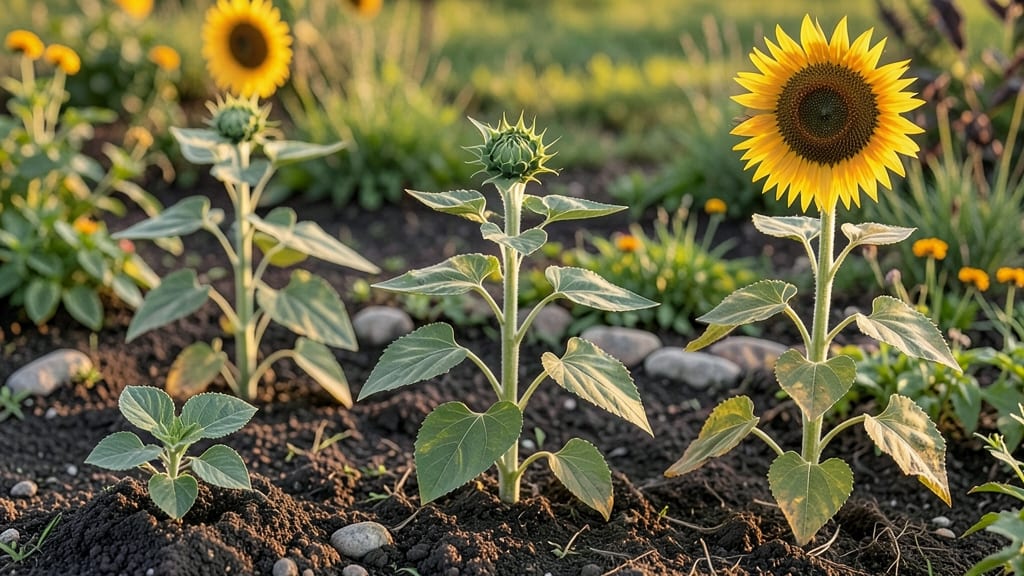
Watching a 🌻 Black Oil Sunflower grow from a tiny seed to a towering giant is like gardening magic—but the real secret to success lies in understanding its growth stages.
Without knowing when to water, fertilize, or watch for pests at each phase, even the most eager gardeners can miss critical care moments that make or break their harvest.
From the first green shoots poking through the soil to the moment the seed heads turn golden and dry, each stage demands different attention.
I’ve grown Black Oil Sunflowers for years, and what I’ve learned about their timelines and care needs will help you avoid common pitfalls like stunted growth or premature flowering. Let’s break down exactly what to expect—and how to nurture—your sunflowers at every turn.
You’ll discover how to spot the key milestones (like leaf count and flower color) that signal when it’s time to adjust your watering or fertilizing routine.
Whether you’re a backyard gardener or a small-scale farmer, these insights will ensure your sunflowers reach their full 6-12 foot potential and produce a bountiful harvest by late summer.
Ready to turn your sunflower patch into a thriving success? The stages ahead are simpler than you think—and with the right care, you’ll be harvesting seeds by October in no time.


Black oil sunflower growth stages: a detailed timeline from germination to maturity
Understanding the black oil sunflower growth stages transforms your gardening from guesswork to precision. These sunflowers grow 6-12 feet tall in just 80-120 days, making their development a fast-paced journey.
Each stage—from germination to seed maturity—has distinct needs, and knowing them ensures you provide the right care at the perfect time.
I’ve grown black oil sunflowers for years, and the key to their success lies in matching their rapid growth with the right environmental conditions. Whether you're a beginner or a seasoned gardener, this timeline helps you anticipate each phase and troubleshoot potential delays.
Let’s break down what to expect at every step, from the first seedling emergence to the harvest-ready seed heads.
🌱 Key Milestones: Germination (5-14 days), Seedling (14-21 days), Vegetative (21-45 days), Flowering (45-70 days), Maturity (70-120 days). Each stage requires specific attention to watering, sunlight, and soil nutrients to avoid stunted growth or poor seed production.
| Stage | Days to Progress | Physical Characteristics | Environmental Needs |
|---|---|---|---|
| Germination | 5-14 days | Seedling emerges with 2 cotyledons (seed leaves), 1-2 inches tall | Soil Temp: 70-90°F, Moisture: Keep soil damp, Light: Full sun |
| Seedling | 14-21 days | True leaves appear (3-5 leaves), 4-6 inches tall, thin stems | Water: 1 inch/week, Soil: Well-draining, Fertilizer: Light nitrogen |
| Vegetative | 21-45 days | Rapid stem growth (1-2 feet/month), 10+ leaves, strong root development | Sun: 6-8 hours/day, Water: Deep soak bi-weekly, Soil pH: 6.0-7.0 |
| Flowering | 45-70 days | Bud formation (green), yellow petals emerge, 6-10 feet tall | Water: Reduce to 1 inch/week, Fertilizer: Low nitrogen, Pests: Watch for birds/squirrels |
| Maturity | 70-120 days | Seed head turns brown, seeds darken, stem becomes brittle | Water: Minimal, Harvest: When back of head yellows, Disease: Remove dead foliage |
During the germination stage, seeds need consistent moisture and warmth to break dormancy. I’ve found that planting in well-draining soil at a depth of 1 inch maximizes success rates.
Once sprouts appear, thin seedlings to 6 inches apart to prevent overcrowding, which can lead to weak stems and pest vulnerabilities.
The seedling stage is critical for establishing a strong root system. Young plants should receive 1 inch of water weekly and be protected from strong winds, which can uproot them. I recommend using mulch around the base to retain moisture and suppress weeds, giving seedlings the best start.
As sunflowers enter the vegetative stage, they grow at an astonishing rate—sometimes 1-2 feet per month. This is when they need full sun exposure (6-8 hours daily) and balanced fertilization to support their rapid height increase.
I’ve seen plants reach 6 feet tall in just 30 days if conditions are ideal.
The flowering stage is the most visually rewarding but also the most delicate. Buds form in 45-50 days, and you’ll notice green flower heads emerging from the stem. At this point, reduce watering slightly to 1 inch per week to prevent bud rot.
I’ve had to protect my sunflowers from squirrels and birds during this phase, as they’re irresistibly drawn to the buds.
Finally, the maturity stage signals it’s time to harvest. You’ll know seeds are ready when the back of the seed head turns yellow and the seeds inside rattle when shaken.
At this stage, the plant’s primary goal shifts from growth to seed production, so avoid overwatering or fertilizing, which can dilute seed quality.
By following this timeline, you’ll ensure your black oil sunflowers reach their full potential—producing high-yield, oil-rich seeds that are perfect for bird feeders or culinary uses. The next step? Learn how to maximize yield at harvest without compromising seed quality.
Critical care tips for each black oil sunflower growth stage
Black oil sunflowers thrive when you tailor your care to their exact growth stage. During germination, keeping soil consistently moist is critical—let it dry out even slightly, and those delicate sprouts may fail to emerge.
I’ve found that using a seedling heat mat set to 75°F speeds up germination from 7-14 days to just 5-7 days in cooler climates.
Once seedlings break through the soil, they enter the vegetative stage, where rapid stem and leaf growth occurs. This is when many gardeners make the mistake of overwatering, thinking bigger leaves mean healthier plants.
In reality, black oil sunflowers prefer slightly drier soil during this phase to prevent fungal diseases like powdery mildew.
⚠️ WARNING: Common Pitfalls by Growth Stage ⚠️
Germination Stage (Days 1-14)
❌ Mistake:
Overcrowding seeds leads to weak, leggy seedlings. Thin to 6 inches apart when first leaves appear, or you’ll struggle with pest pressure later.
Vegetative Stage (Days 14-45)
❌ Mistake:
Using high-nitrogen fertilizer here causes excessive foliage growth at the expense of flower buds. Switch to a balanced 10-10-10 formula when buds form.
Flowering Stage (Days 45-70)
❌ Mistake:
Watering at night encourages disease spread. Always water early morning to let foliage dry before evening humidity sets in.
Seed Development (Days 70-120)
❌ Mistake:
Harvesting too early reduces oil content. Wait until 90% of back seeds turn black—this ensures maximum yield and viability.
During the flowering stage, your sunflowers need consistent pollination for seed development. I’ve had success attracting pollinators by planting bee-friendly companions like borage or cosmos nearby. If your area lacks natural pollinators, gently shake the flower heads on calm days to help pollen spread.
As seeds mature, focus shifts to disease prevention and structural support. Tall varieties often need staking to prevent lodging, especially in windy conditions. I use bamboo stakes tied loosely with soft plant ties—too tight, and you’ll damage the thick stems as they grow.
Finally, in the seed development phase, reduce watering to bi-weekly to harden off seeds. This prevents shriveled, low-quality seeds and ensures they store well for next year’s planting. Always harvest on dry days to avoid mold during the drying process.
By adjusting your care routine at each stage—from moisture control during germination to pollinator support during flowering—you’ll maximize both yield and seed quality. The key is observation: watch for leaf color changes and stem rigidity to time interventions perfectly. 🌻