
Shrubs
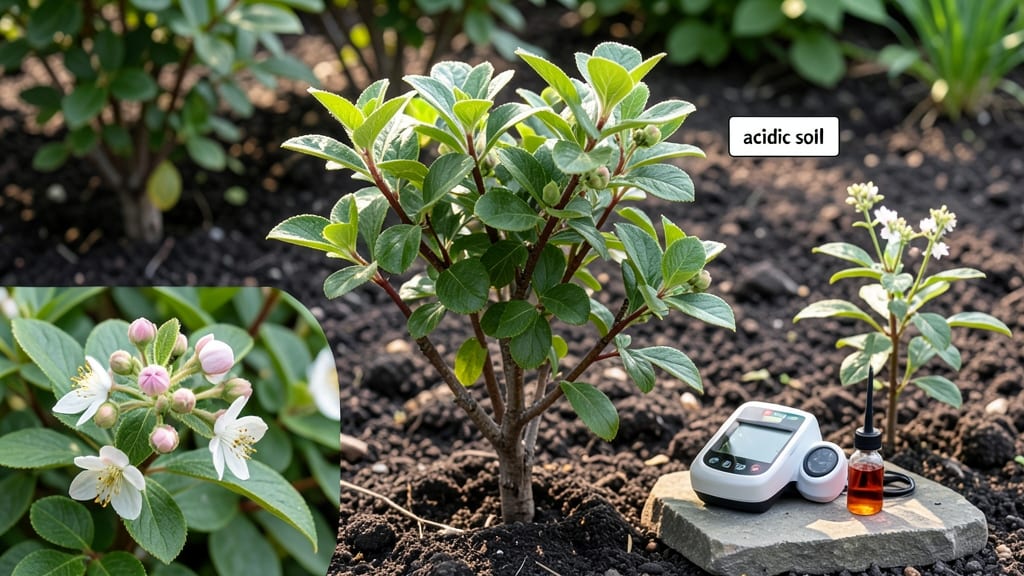
If your blueberry bush is not flowering but thriving with leaves, you’re not alone—and the fix might be simpler than you think.
Without those delicate spring blooms, you won’t get the sweet harvest you’re dreaming of, but the good news is that most flowering issues come down to a few key fixes.
The most common culprits? Incorrect pruning, soil pH imbalances, or even just waiting too long for a young bush to mature.
I’ve seen gardeners miss out on berries for years because of these avoidable mistakes, but with the right adjustments, you can coax your bush back into full bloom this season.
Let’s start with the basics: age matters—young bushes need patience, while older ones might need a pruning reset. Then we’ll tackle sunlight, soil acidity, and even pollination quirks that could be holding back your blooms.
By the end, you’ll know exactly what to do to turn those lush green leaves into a bounty of blueberries.
Ready to troubleshoot? I’ll walk you through 5 proven fixes that work in Zone 6a and beyond, so you can enjoy that first taste of summer sweetness sooner than you expect.
5 Common reasons your blueberry bush isn’t flowering (and how to fix them)
Your blueberry bush might look healthy with vibrant green leaves, but if those white or pink blooms are missing, your harvest dreams are on hold. Without flowers, there are no berries—and that’s a gardener’s worst nightmare. The good news?
Most flowering issues stem from preventable mistakes like improper pruning, soil pH imbalances, or even overzealous winter care. Let’s diagnose the problem and get your bush back on track for a bountiful harvest.
Before you panic, know that blueberries are perennial plants, meaning they need time to mature. A young bush might not flower until its second or third year, but if it’s been established for years and still skips blooms, something’s off.
The key is identifying which of these five common culprits is sabotaging your shrub—and how to fix it fast. Let’s dig in.
🌱 Numbered Highlights: Fix Your Blueberry Bush Now
- 1. Age Matters: Young bushes (under 2 years) may not flower. Wait patiently or check if it’s a dwarf variety with delayed blooming.
- 2. Pruning Mistakes: Cutting old wood (wood older than 3 years) removes next year’s flower buds. Prune only new growth in late winter.
- 3. Sunlight Starvation: Less than 6 hours of sun triggers weak growth and no blooms. Move your bush to a sunnier spot immediately.
- 4. Soil pH Crisis: Blueberries crave acidic soil (pH 4.5–5.5). Test your soil—if it’s alkaline, amend with peat moss or sulfur.
- 5. Winter Damage: Late spring frosts or improper mulching can kill flower buds. Protect buds with burlap wraps in early spring.
Let’s start with the most overlooked issue: age-related flowering delays. If your blueberry bush is younger than 2 years, it might simply be too young to flower. Most varieties take 2–3 years to mature enough for blooms.
However, if your bush is older but still skipping flowers, the problem likely lies elsewhere. For example, dwarf varieties like ‘Top Hat’ or ‘Peach Sorbet’ may take even longer—sometimes up to 4 years—to produce flowers.
If you’re impatient, consider testing your soil first, as nutrient deficiencies can delay flowering in all ages.
Next up: pruning blunders that silently sabotage your blooms. Blueberry bushes flower on old wood, meaning last year’s growth holds this year’s buds. If you prune too aggressively or at the wrong time, you risk removing those critical buds.
For instance, cutting back more than 1/3 of the bush in late winter can leave it with no flowers. Always prune in late winter or early spring, targeting only dead, diseased, or overcrowded branches.
Avoid heavy pruning in fall, as this can stimulate new growth that’s vulnerable to frost damage.
Sunlight is another non-negotiable for blueberry blooms. These shrubs thrive in full sun (6+ hours daily), but many gardeners unknowingly place them in partial shade. If your bush is tucked under a tree or near a tall fence, it’s likely sun-deprived.
Move it to a sunnier location ASAP—even 4–5 hours of sun can reduce flowering by 50%. Look for signs like long, leggy stems or pale green leaves, which are red flags for insufficient light. A simple fix: relocate the bush or trim nearby obstructions like overgrown shrubs or trees.
Here’s where things get technical: soil pH. Blueberries are acid-loving plants, and if your soil’s pH is too high (alkaline), they’ll refuse to flower. Test your soil with a pH kit—ideal levels are 4.5–5.5.
If your soil tests higher, amend it with peat moss, pine needles, or sulfur. For example, mixing 2–3 inches of peat moss into the top 6 inches of soil can lower pH by 1–2 points over time.
Avoid lime or wood ash, which raise pH and worsen the problem. A quick fix? Use an acid-loving plant fertilizer with iron and manganese to jumpstart growth while you adjust the soil.
Finally, don’t overlook winter damage, which can silently destroy flower buds before they even appear. Late spring frosts or improper mulching can kill buds that formed the previous summer.
Protect your bush by wrapping it in burlap during cold snaps or applying a thick layer of mulch (3–4 inches) in late fall. Avoid piling mulch against the stem, though—keep it 2–3 inches away to prevent rot. If you suspect frost damage, inspect the buds in early spring.
Healthy buds are plump and firm, while damaged ones are shriveled or brown.
Now that you’ve identified the likely culprit, take action this week. Start with a soil test and adjust pH if needed, then move your bush to a sunnier spot. If pruning was the issue, prune lightly in late winter next year, focusing on old wood preservation.
For winter damage, protect buds early—don’t wait until after the frost hits. With these fixes, you’ll see plump white blooms next spring, leading to a juicy blueberry harvest you’ll savor all summer.
Remember, blueberries are patient plants. It might take a season or two to see full recovery, but consistency in care pays off. Keep an eye on your bush, and don’t hesitate to consult a local extension office if you’re unsure about soil amendments or pruning techniques.
Happy gardening—and here’s to next year’s berry bonanza! 🫐
How to prune blueberry bushes for maximum blooms (step-by-step guide)
Pruning your blueberry bushes correctly is one of the most effective ways to encourage healthy blooms and a bountiful harvest. Many gardeners mistakenly prune at the wrong time or remove the wrong branches, which can leave their bushes looking lush but flowerless.
The key is to understand that blueberries produce flowers on wood that’s at least 1 year old, so aggressive pruning can eliminate next year’s blooms.
If your bush is 3–5 years old and still not flowering, pruning might be the missing piece. Younger bushes (under 3 years) often need patience—focus on establishing a strong root system first.
For mature bushes, timing and technique are everything. Let’s break it down into clear, actionable steps so you can transform those bare branches into a sea of spring blooms.
Step-by-Step Pruning Guide for Blueberry Blooms
- 1 Prune in late winter or early spring (just as buds swell but before new growth starts). Avoid pruning in fall or during dormancy, as this can invite disease.
- 2 Remove dead, diseased, or crossing branches first. Use clean, sharp pruners to make cuts at a 45-degree angle just above a bud or branch collar.
- 3 Thin out overcrowded branches to improve air circulation. Aim to keep the bush open and airy, with no branches rubbing against each other.
- 4 Cut back old canes (those over 5 years old) to the ground. These canes produce fewer berries and take energy from younger, more productive branches.
- 5 Shape the bush into a vase-like form, with the widest part at the base narrowing toward the top. This encourages sunlight to reach all branches for even flowering.
- 6 Sanitize tools between cuts with rubbing alcohol to prevent spreading disease. Disposable pruners are a great option for busy gardeners.
After pruning, your bush should look open and balanced, with a mix of old and new wood. The goal is to encourage new growth while preserving last year’s flowering canes.
If your bush is still not flowering after pruning, check your soil pH—blueberries thrive in acidic soil (pH 4.5–5.5)—and consider adding organic matter like peat moss or pine needles to improve acidity.
Remember, patience is key—it can take up to 3 years for a newly pruned bush to rebound and flower again. But with the right technique, you’ll be enjoying those delicate spring blooms and juicy berries in no time.
Grab your pruners and give your blueberry bush the fresh start it deserves!
🌱