
Flowers
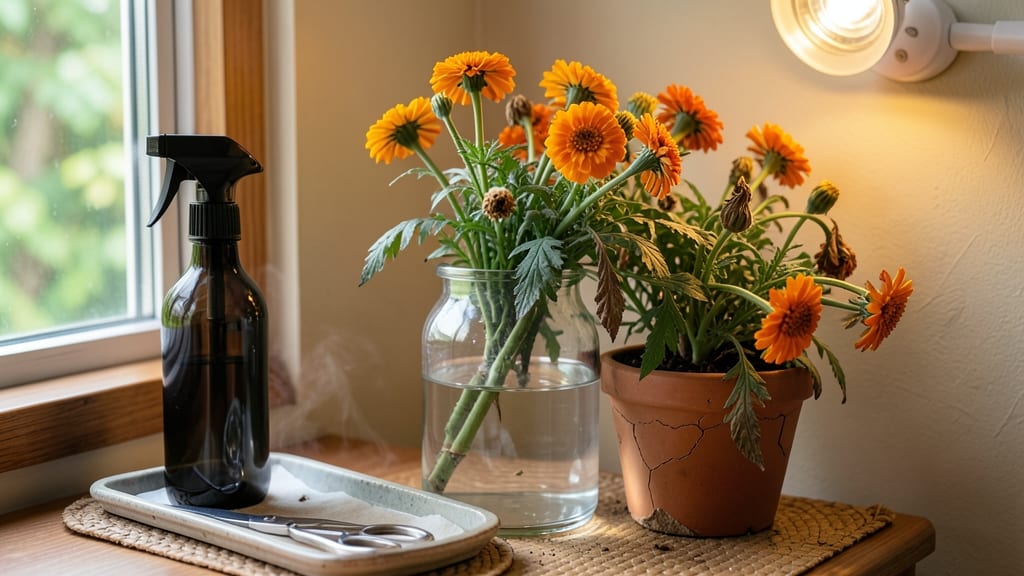
Scientific water tricks to instantly revive wilted flowers
Wilted flowers often signal dehydration or stem blockages that prevent water uptake. The good news? Science-backed hydration tricks can revive them faster than you’d expect. Flowers wilt when their vascular system—the xylem—fails to transport water from stems to petals, usually due to air bubbles or bacterial clogs.
Understanding this osmosis process helps us fix the issue at its root.
Before diving into solutions, check the stem condition. A dry, cracked stem or brown edges means irreversible damage, but if the stem is still pliable, you’re in luck. The key is re-establishing water flow through the stem using proven techniques like hot water soaks or stem trimming.
These methods exploit the plant’s natural ability to absorb water through capillary action—just like a sponge soaking up liquid.
Here’s how science explains it: When you trim stems at an angle, you create a larger surface area for water absorption. Adding a hot water soak (around 100°F) loosens air bubbles trapped in the xylem, allowing water to flow freely again.
This is especially effective for cut flowers like roses or lilies, which often suffer from blocked stems after sitting in vases too long.
| Method | Best For | Science Behind It | Time to Revive |
|---|---|---|---|
| Hot Water Soak | Cut flowers (roses, lilies, carnations) | Heat expands xylem vessels, displacing air bubbles and improving water uptake. | 1–4 hours |
| Stem Trimming | All cut flowers and potted plants | Increases surface area for absorption; removes damaged tissue blocking water flow. | Immediate |
| Vase Cleaning + Fresh Water | Any wilted cut flowers | Removes bacterial buildup that clogs stems; ensures clean water intake. | 30 minutes |
| Hydrogen Peroxide Rinse | Severely wilted flowers | Acts as a disinfectant, clearing bacterial blockages in stems. | 2–6 hours |
Start with the stem trimming method, which is the fastest fix. Use clean, sharp scissors to cut stems at a 45-degree angle, about 1–2 inches from the base. This exposes fresh tissue and maximizes water absorption.
For stubborn blockages, place the trimmed stems in a vase filled with room-temperature water and a dash of bleach (1 drop per quart) to prevent bacterial growth.
The hot water soak is my go-to for severely wilted flowers. Fill a vase with water heated to 100–110°F (use a thermometer to avoid scalding). Submerge the stems for 1–2 hours, then transfer them to fresh, cool water.
The heat helps displace air bubbles trapped in the xylem, allowing the flowers to drink up water like a thirsty plant after a drought.
For potted plants showing signs of wilting, the approach differs slightly. First, check the soil moisture—if the top inch is dry, water deeply until it drains from the bottom. If the soil is damp but the plant still wilts, the issue might be root-bound or overcrowded.
Gently loosen the roots and repot if needed, then water thoroughly. Succulents and cacti are exceptions—they wilt when overwatered, so let them dry out completely between waterings.
Don’t overlook the vase’s role in flower revival. Old water and bacterial buildup can clog stems faster than you think. Always use fresh, clean vases and change the water every 2–3 days.
Add a flower food packet (or DIY mix of 1 tsp sugar + 2 drops bleach per quart) to extend vase life by up to 3–5 days. The sugar feeds the flowers, while the bleach keeps bacteria at bay.
If your flowers still refuse to perk up after 24 hours, they may be past saving. However, most wilting issues are temporary, and these science-backed tricks work wonders for 90% of cut flowers.
For long-term success, pair these methods with proper lighting (bright, indirect light) and cool temperatures (below 75°F) to slow water loss. With a little patience and the right techniques, your wilted blooms can bounce back to full glory.
🌸
Best flower revitalization methods by type (cut vs. potted)
Not all wilted flowers need the same revival treatment—cut flowers and potted plants respond differently to stress. Whether you're dealing with drooping roses in a vase or a peace lily losing its luster, the right approach makes all the difference.
Cut flowers often suffer from clogged stems or nutrient depletion, while potted plants may struggle with root-bound conditions or overwatering. Let’s tackle each type with targeted solutions to bring them back to life.
For cut flowers, the key is hydration and nutrition.
A simple sugar-water mix (1 teaspoon per cup of water) can provide quick energy, while bleach or vinegar (1 drop per cup) prevents bacterial growth. Potted plants, on the other hand, often need soil adjustments—like loosening compacted roots—or humidity boosts with a pebble tray.
Both types benefit from pruning dead foliage, but the methods differ slightly to avoid damaging delicate stems.
🌹 Cut Flowers Revival
- ✂️ Trim stems at 45° angles to maximize water absorption.
- 💧 Use lukewarm water with 1 tsp sugar + 1 drop bleach to extend vase life.
- 🌿 Replace water every 2 days to prevent bacterial buildup.
- ☀️ Place in indirect sunlight to avoid wilting from heat stress.
🪴 Potted Plants Revival
- 🌱 Check soil moisture—water only when top 1 inch feels dry.
- 🪴 Loosen roots if pot-bound—gently tease apart and repot if needed.
- 💧 Mist leaves daily for humidity-loving plants like ferns or peace lilies.
- 🌿 Fertilize lightly with diluted fish emulsion for nutrient-deficient plants.
Roses and lilies in vases often perk up within hours of a fresh cut and sugar-water soak, while succulents or snake plants in pots may take days to recover from underwatering. Always monitor progress—if yellowing persists, the plant may be beyond revival. For potted plants, rotate the pot weekly to ensure even light exposure, which prevents lopsided growth and stress.
One common mistake is overcrowding stems in a vase, which blocks water flow. For cut flowers, limit stems to 3-5 per vase to avoid competition. Meanwhile, potted plants like bromeliads thrive in terracotta pots—the porous material helps regulate moisture.
Test your soil’s drainage by watering and checking if excess drains within 10 minutes; if not, add perlite or sand to improve aeration.
For long-term success, pair revival methods with preventative care. Keep cut flowers in clean vases (wash with vinegar water weekly) and repot potted plants every 1-2 years to refresh soil nutrients.
A weekly leaf wipe with a damp cloth removes dust, helping plants absorb light more efficiently. With these tailored approaches, even the most wilting blooms can bounce back beautifully.