
Planting
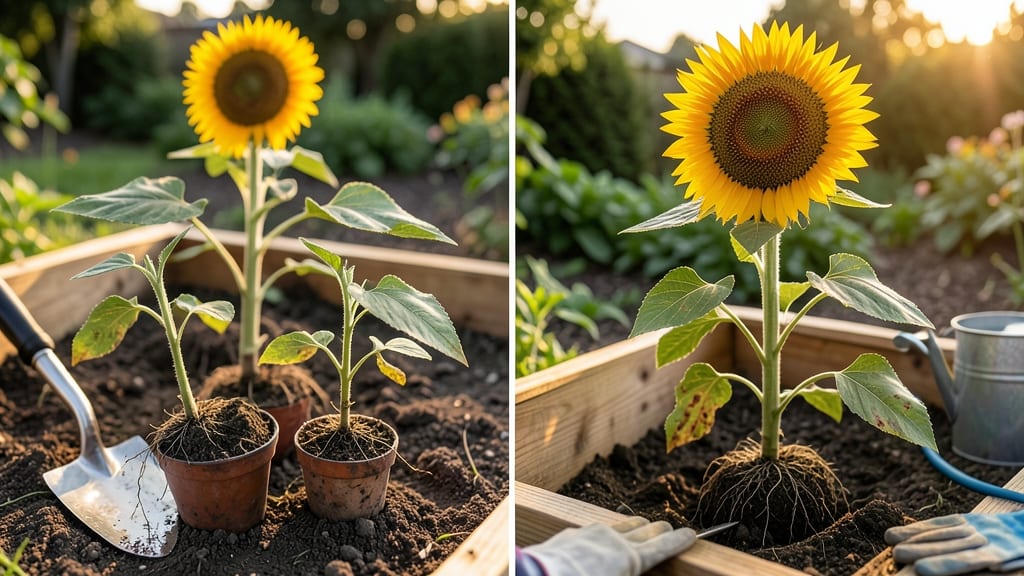
You might think June is too late to plant sunflowers 🌻, but with the right approach, you can still grow tall, healthy stems that thrive—even when summer is in full swing.
While most gardeners plant in spring, sunflowers are surprisingly adaptable to warmer weather, making June a viable option in many regions.
The key is choosing fast-maturing varieties and giving them the right conditions to flourish. Sunflowers planted in June can still reach impressive heights, especially in areas with long daylight hours and warm temperatures.
However, timing is everything—late planting means you’ll need to focus on heat-resistant varieties and proper care to ensure strong stems and vibrant blooms.
In this guide, I’ll walk you through everything you need to know about planting sunflowers in June, from selecting the best varieties to optimizing soil and watering for late-season success.
You’ll discover how to maximize your harvest and avoid common pitfalls that can stunt growth when planting this late in the year.
Whether you’re a seasoned gardener or just starting out, these tips will help you grow sunflowers that stand tall and proud—no matter when you plant them. Let’s get your garden ready for a stunning late-summer display!


Why planting sunflowers in June works (and when it doesn’t)
June planting might surprise you, but sunflowers are heat-tolerant champions that thrive in warm conditions. Their fast growth rate (some varieties mature in 50-60 days) means they can still reach impressive heights when planted late.
In regions with long daylight hours, like the USDA Zone 6a and warmer, June planting can yield strong stems and vibrant blooms before frost arrives.
The key advantage is avoiding spring pests and early-season diseases that often plague spring-planted sunflowers. June’s warmth also means fewer germination delays, giving your seeds a head start in the soil. However, success depends heavily on your local climate and sunflower variety—not all combinations work equally well.
Before committing to June planting, consider your frost dates. In cooler climates, a late June planting might not have enough time to mature before the first frost. For example, if your first frost arrives in mid-October, you’ll need varieties that mature in 80-90 days to ensure a harvest.
Always check your frost-free days to plan accordingly.
Another critical factor is water availability. June often brings intense heat and limited rainfall, especially in drought-prone areas. Sunflowers need consistent moisture during germination and early growth, but they’re surprisingly drought-tolerant once established. Proper mulching and deep watering can make all the difference in late-season success.
Sunflowers planted in June also benefit from longer daylight hours, which accelerate their growth. Unlike spring-planted sunflowers that may struggle with shorter days later in the season, June’s 14-16 hours of daylight (in many regions) give them the energy they need to grow tall and strong.
This is why northern latitudes often see better results with June planting than southern areas with extreme heat.
However, there are clear limitations to June planting. In hot, dry climates, like the Southwestern U.S., sunflowers may bolt too quickly or produce smaller blooms due to stress.
Additionally, late-season pests, such as sunflower moths or aphids, can become more active in June, requiring vigilant monitoring and organic pest control measures.
Your soil conditions also play a pivotal role. June’s heat can dry out soil rapidly, making it harder for seeds to germinate. Amending your soil with compost or organic matter before planting improves moisture retention and provides essential nutrients.
If your soil is sandy or clay-heavy, consider planting in raised beds or containers for better control over growing conditions.
One often-overlooked factor is competition for resources. If your garden is already crowded with summer vegetables or weeds, sunflowers may struggle to access sunlight, water, and nutrients.
Clearing space and providing 6+ inches of spacing between plants ensures they have room to grow their deep taproots and wide canopies without competing with neighbors.
Finally, consider your gardening goals. If you’re planting sunflowers for cut flowers, seeds, or bird feed, June can still be a great time.
However, if you’re aiming for giant varieties like Mammoth or Russian Giant, you might need to start seeds indoors in May to give them enough time to mature before frost. Smaller, fast-maturing varieties are far more forgiving for late-season planting.
Pros and Cons of Planting Sunflowers in June
- Faster growth in warm soil
- Avoids spring pests and diseases
- Longer daylight boosts development
- Less competition for resources
- Heat-tolerant varieties thrive
- Limited time before frost
- Drought risk in hot climates
- Late-season pests may appear
- Smaller blooms in extreme heat
- Soil dryness hinders germination
"June planting works best in moderate climates with fast-maturing varieties and consistent care."
To determine if June planting is right for you, start by researching your local frost dates. Use resources like the USDA Plant Hardiness Zone Map or your local cooperative extension service to estimate your frost-free growing season.
If you have at least 100-120 days until your first frost, June planting is absolutely viable. For shorter seasons, opt for dwarf or semi-dwarf varieties that mature in 50-70 days.
Another tip is to test your soil before planting. Sunflowers prefer well-draining soil with a pH between 6.0 and 7.5. If your soil is too acidic or compacted, amend it with lime or compost to improve conditions.
A simple soil test kit (available at garden centers) can save you from potential pitfalls and ensure your sunflowers get the best start possible.
If you’re still unsure, consider starting seeds indoors in early June and transplanting them outdoors after they’ve developed 2-3 true leaves. This gives them a head start and increases their chances of maturing before frost.
Just be sure to harden them off (acclimate to outdoor conditions) for a week before transplanting to avoid shock.
Ultimately, planting sunflowers in June can be a rewarding experience if you choose the right varieties, location, and care routine. With the right approach, you’ll enjoy tall, healthy stems and vibrant blooms that brighten up your garden well
Step-by-step guide to planting sunflowers in June for stronger growth
Planting sunflowers in June isn’t just possible—it can yield surprisingly strong stems if you follow the right steps. The key lies in fast germination, optimal sunlight exposure, and consistent moisture to compensate for the late start.
Since June offers longer daylight hours, your sunflowers will still receive the 12+ hours of light they need to thrive, provided you give them the best possible growing conditions from day one.
To ensure your sunflowers grow tall and resilient, start by selecting a sunniest spot in your garden—at least 6 hours of direct sunlight daily. Sunflowers planted in June need to make up for lost time, so prioritize locations free from shade cast by trees or buildings.
If your garden lacks full sun, consider using reflective surfaces like white walls or mulch to bounce extra light onto your plants. This simple trick can make a big difference in stem strength and bloom size.
Step-by-Step Planting Guide for June Sunflowers
-
1. Choose Fast-Maturing Varieties
Select 50-60 day varieties like 'Autumn Beauty' or 'Moulin Rouge' to ensure blooms before frost. Avoid tall varieties—opt for dwarf or semi-dwarf types (3-6 ft) for easier care. -
2. Prepare Well-Draining Soil
Mix compost or aged manure into the top 12 inches of soil to improve fertility. Sunflowers hate soggy roots, so amend clay soil with sand or perlite for better drainage. -
3. Plant Seeds Deeply and Spaced
Sow seeds 1 inch deep and 6-12 inches apart in rows 18 inches apart. Deeper planting prevents seed desiccation in hot June soil. -
4. Water Deeply at Planting
Soak the soil to a depth of 6 inches after planting. Use a drip irrigation system or water at the base to avoid wetting foliage, reducing fungal risks. -
5. Mulch to Retain Moisture
Apply 2-3 inches of straw mulch around plants to lock in moisture and regulate soil temperature. Mulch also suppresses weeds, giving sunflowers an uninterrupted growth boost. -
6. Fertilize Lightly in Early Growth
Use a balanced 10-10-10 fertilizer at planting and again when plants reach 6 inches tall. Avoid over-fertilizing—sunflowers need moderate nutrients, not excessive nitrogen. -
7. Monitor for Pests and Support Stems
Watch for aphids or beetles—spray with neem oil if needed. For tall varieties, add stakes or cages early to prevent wind damage as stems grow.
Once your sunflowers are in the ground, watering consistency becomes critical. June heat can dry out soil quickly, so aim for 1 inch of water per week, delivered in the early morning to reduce evaporation.
Avoid overhead watering, which can spread disease. Instead, use a soaker hose or drip system to deliver water directly to the roots, where it’s most effective.
Sunflowers planted in June will grow faster than you expect, especially with the right care. Within 2-3 weeks, you’ll see sprouts emerging, and by late July, you could have blooming stalks reaching 6 feet tall.
To maximize height, avoid pruning the lower leaves—these provide energy for the plant to grow upward. Instead, focus on removing only dead or diseased foliage to keep the plant healthy and vigorous.
By following these steps, you’ll give your June-planted sunflowers the best chance to thrive. With proper sunlight, soil prep, and watering, you’ll enjoy a stunning late-summer display—proof that even late-season planting can yield impressive results. Happy gardening! 🌻