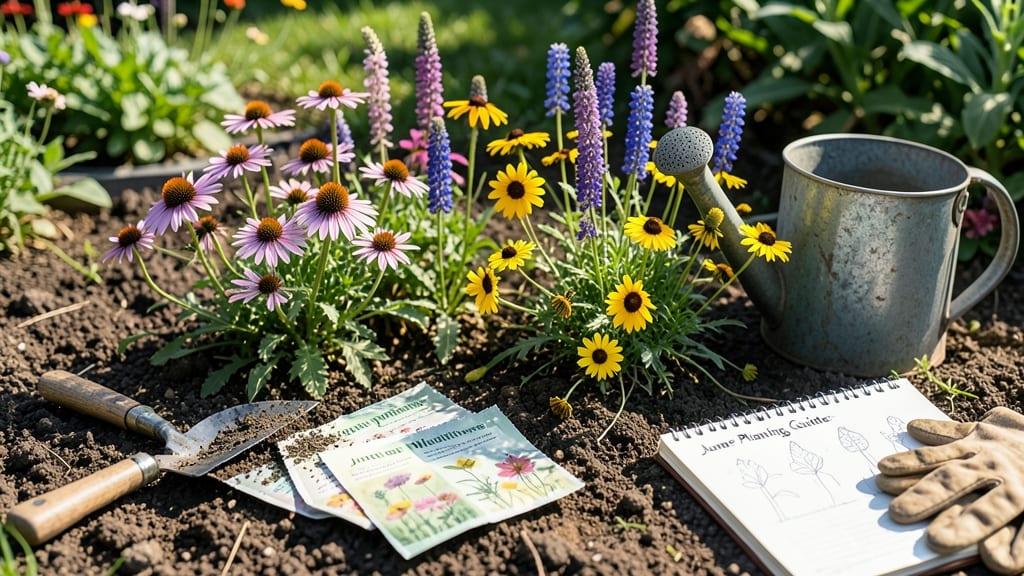
Planting wildflower seeds in June might seem risky, but with the right fast-growing varieties and smart timing, you can still enjoy a burst of color before summer fades. The key is choosing heat-tolerant species that germinate quickly and thrive in warm soil—think cosmos, zinnias, or black-eyed Susans.
June offers a unique advantage: fewer weeds compete for space, and established wildflowers 🌼 can handle summer heat better than spring-planted ones. Just prepare your soil well, water consistently, and avoid overcrowding for the best results.
If you're in USDA Zone 6 or warmer, June planting can work beautifully—just be ready to water deeply during dry spells. For cooler regions, consider waiting until late summer or fall for even better success.
Whether you're a beginner or seasoned gardener, these tips will help you turn June into your fastest route to blooms. Let’s dive into the best seeds, soil prep, and care routines to make your late-season garden shine.
🌼Your Wildflower Journey
From seed to harvest in General
Plant
Late summer
Grow
Spring-Summer
Harvest
Late spring
Best Time to Plant in General
Late summer to early fall (August - September) or early spring (March - April)
Scatter seeds lightly on prepared soil and press gently into the ground; no need to bury deeply.
Best wildflower seeds to plant in June for fast blooms
June might feel like the wrong time to plant wildflowers, but fast-blooming varieties can still thrive with the right choices. Many annual and biennial wildflowers germinate quickly in warm soil, giving you vibrant blooms by late summer or early fall.
The key is selecting heat-tolerant species that don’t need cold stratification—a common requirement for spring planting.
These quick-growing wildflowers are perfect for late-season planting because they mature in 60-90 days, often blooming within weeks of germination. They also require minimal care, making them ideal for busy gardeners or low-maintenance landscapes.
Let’s explore the top picks that will transform your garden into a pollinator paradise before winter arrives.
⚠️ NON-NEGOTIABLE: Always check your seed packet for specific germination times and sunlight requirements, as some varieties may need partial shade in hot climates.
Wildflower Variety
Type
Bloom Time (Days)
Sun Needs
Height (ft)
Notes
Cosmos Sulphureus
Annual
50-60
Full sun
2-4
Drought-tolerant, bright orange blooms
Zinnia Profusion
Annual
45-55
Full sun
1-2
Compact, long-lasting blooms, great for cut flowers
Sunflower Moulin Rouge
Annual
60-70
Full sun
3-5
Red-burgundy blooms, attracts pollinators
Larkspur Delight
Annual
60-75
Full sun to partial shade
2-3
Spiky blue/purple flowers, great for borders
Black-Eyed Susan Goldsturm
Perennial
70-90
Full sun
2-3
Drought-resistant, blooms all summer
Sweet Alyssum Tiny Tots
Annual
30-45
Full sun to partial shade
0.5-1
Step-by-step June planting guide: soil, watering, and sunlight tips
June planting requires precision to ensure your wildflowers thrive despite the heat. Start by selecting a sunny location with 6+ hours of direct sunlight—most wildflowers need full sun to bloom abundantly.
If your garden is shady, opt for partial sun varieties like black-eyed Susans or coneflowers, which tolerate 3-6 hours of sunlight.
Before planting, loosen the top 6 inches of soil to improve aeration and drainage. Wildflowers hate soggy roots, so amending the soil with compost or aged manure boosts nutrients without risking over-fertilization. A light layer of mulch after planting helps retain moisture and suppress weeds—critical in June’s dry spells.
Step 1
Prep the soil: Test pH (aim for 6.0-7.0). Mix in 1 inch of compost and rake smooth. Remove weeds or debris to reduce competition.
Step 2
Scatter seeds: Sprinkle seeds lightly (no need to bury). Use a seed spreader for even coverage. For clumps, mark spots with stakes to track varieties.
Step 3
Water deeply: Soak the soil 1 inch deep immediately after planting. Use a gentle spray to avoid displacing seeds. Repeat every 2-3 days until germination (usually 7-14 days).
Step 4
Monitor sunlight: Adjust plant spacing if seedlings get crowded. Thin to 6-12 inches apart (check seed packet). Move containers to partial shade if leaves wilt in afternoon heat.
Step 5
Post-planting care: Once established, water deeply 2x/week. Avoid fertilizing—wildflowers thrive in low-nutrient soil. Deadhead spent blooms to encourage continuous flowering until frost.
Watering is your biggest ally in June. Newly planted seeds need consistent moisture to germinate, but avoid overwatering, which causes rot. Water early in the morning to reduce evaporation and fungal risks.
Once seedlings emerge, taper to deep watering 2-3 times per week, focusing on the root zone rather than surface sprinkling.
Sunlight is non-negotiable for June wildflowers. If your garden lacks full sun, consider container gardening on a sunny patio or balcony. Containers heat up faster, so bury them in mulch or straw to stabilize soil temps.
For ground beds, group heat-tolerant varieties like cosmos or zinnias together—they’ll outcompete weeds and bloom faster.
With these steps, your June-planted wildflowers can bloom by late summer, turning your garden into a pollinator paradise just in time for fall. The key is patience and precision—skip shortcuts, and your efforts will pay off with vibrant, low-maintenance color all season long. 🌼