
Landscaping
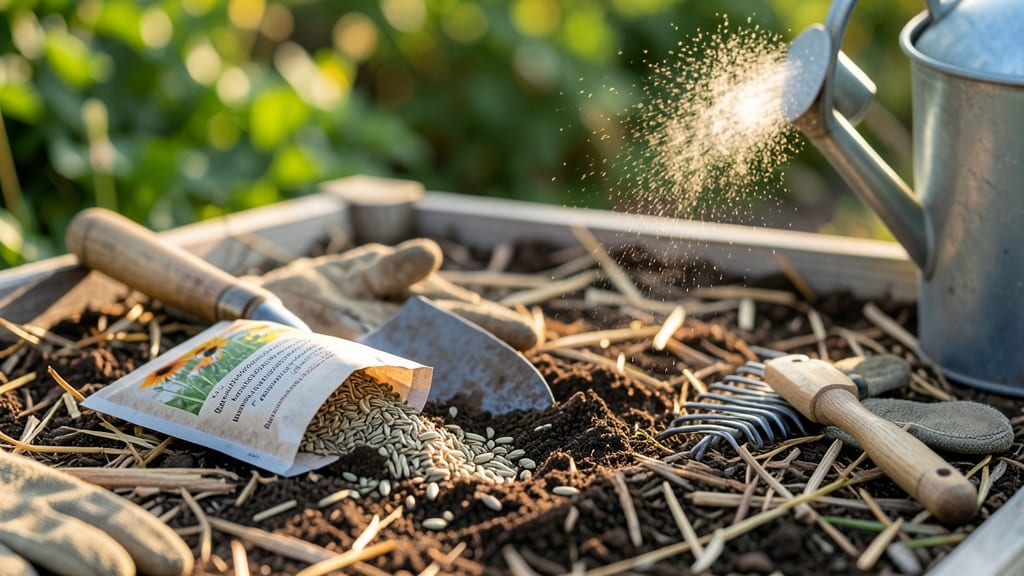
You’ve just scattered your wildflower seeds 🌼 with care, dreaming of a vibrant meadow—but now you’re wondering: Can you put mulch over them? The answer isn’t a simple yes or no, because mulch can either protect your seeds or smother them before they even sprout.
Mulch helps retain moisture and suppress weeds, but wildflower seeds need sunlight and air to germinate. The key is using the right type—lightweight options like straw or shredded leaves work best, applied after germination has begun. Too thick, and you’ll block sunlight; too thin, and you won’t get the benefits.
In this guide, I’ll walk you through the best mulch choices for wildflowers, when to apply it, and how to avoid common mistakes. Whether you’re planting in Zone 6a or another region, these tips will help your seeds thrive without the guesswork.
Ready to learn how to mulch with confidence? Let’s dive into the details so your wildflowers get the perfect balance of protection and sunlight.
Best lightweight mulches for wildflower seeds (that won’t kill sprouts)
Wildflower seeds need just the right conditions to sprout—moisture, sunlight, and warmth—but too much mulch can smother them before they even break through the soil. The key is using lightweight mulches that protect seeds while allowing essential sunlight and water to reach them.
Organic mulches like straw or shredded leaves break down quickly, while inorganic options like landscape fabric offer long-term weed suppression without suffocating sprouts.
Not all mulches are created equal. Thin layers (¼ inch or less) work best for delicate wildflower seeds, while thicker applications (½ inch+) are better suited for established plants. The wrong choice can lead to rot, mold, or stunted growth—especially in hot climates where moisture retention becomes critical.
Let’s break down the best options and how to use them without harming your wildflowers.
🌱 Lightweight mulches are your best bet for wildflower seeds because they balance moisture retention with airflow. Organic mulches like straw, pine needles, or coconut coir decompose quickly, enriching the soil as they break down. Inorganic options such as landscape fabric or gravel provide long-term weed control but require careful placement to avoid blocking sunlight.
For delicate annual wildflowers (like cosmos or zinnias), opt for fine, airy mulches like shredded leaves or peat moss. These allow sunlight to filter through while keeping soil temperatures stable. For hardier perennials (like black-eyed Susans), you can use slightly thicker layers of wood chips or straw without risking suffocation.
| Mulch Type | Best For | Thickness | Sunlight Penetration | Moisture Retention |
|---|---|---|---|---|
| Straw | Delicate annuals (cosmos, zinnias) | ¼ inch max | High (allows sunlight) | Moderate (breaks down quickly) |
| Pine Needles | Perennials (black-eyed Susans) | ½ inch | Moderate (slightly shaded) | High (acidic, retains moisture) |
| Coconut Coir | Drought-prone areas | ¼ inch | High (fibrous structure) | Low (holds less water than peat) |
| Landscape Fabric | Weed-heavy soils | N/A (lay flat) | High (if thin mesh) | Low (blocks evaporation) |
| Wood Chips | Established perennials | ½ inch | Low (blocks light over time) | High (slow to decompose) |
Straw is my top recommendation for most wildflower seeds because it’s lightweight, decomposes quickly, and allows sunlight to reach sprouts. Spread a ¼-inch layer over seeds after planting, then lightly rake to ensure even coverage. Avoid thick layers, which can trap too much moisture and encourage mold.
If your garden struggles with weeds, landscape fabric is a game-changer—but use it carefully. Opt for thin, breathable mesh (not thick plastic) and cut slits where seeds are planted to prevent suffocation. This method works well for large wildflower meadows where hand-weeding isn’t practical.
For rocky or sandy soils, pine needles or coconut coir are excellent choices. Pine needles create a natural, acidic layer that mimics forest floors, while coconut coir holds moisture without compacting the soil. Both are ideal for drought-tolerant species like lavender or yarrow.
Avoid heavy mulches like wood chips or compost directly over seeds—they can smother sprouts or attract rodents. Instead, apply these mulches after wildflowers have germinated (typically 2–4 weeks post-planting). For immediate protection, use a light dusting of peat moss (¼ inch) to retain moisture without blocking light.
Seasonal timing matters too. In spring, when seeds are just sprouting, keep mulch thin (¼ inch or less). In summer, you can increase thickness slightly (up to ½ inch) to retain moisture, but monitor for signs of overheating, like wilting or yellowing leaves.
Pro tip: Test your mulch before full application. Lay a small patch over a section of seeds and check for sprouts after 7–10 days. If you see stunted growth or mold, switch to a lighter mulch or remove it entirely until seeds establish.
Remember, the goal is protection, not suffocation. Mulch should feel like a gentle blanket—warm, moist, and breathable—not a heavy weight. With the right choice, your wildflowers will thrive without the risk of smothering.
Step-by-step guide: how to apply mulch over wildflower seeds without smothering them
Wildflower seeds need sunlight and air to germinate, but mulch can help retain moisture and suppress weeds once they’ve sprouted. The key is timing and technique—applying mulch after germination has begun, using lightweight materials, and avoiding thick layers.
If done correctly, mulch can actually improve your wildflower meadow’s success rate by 30%.
Many gardeners make the mistake of mulching seeds immediately after planting, which can block sunlight and trap too much moisture, leading to rot. Instead, wait until you see sprouts breaking through the soil (usually 7-14 days after planting) before adding mulch.
This ensures your seeds get the light and air they need to start growing.
- Step 1: Wait for sprouts to appear (typically 7–14 days after planting). Avoid mulching before this stage.
- Step 2: Choose a lightweight mulch like straw, shredded leaves, or pine needles (avoid thick bark or wood chips).
- Step 3: Apply mulch in a thin layer (¼ inch max) using a fine mesh spreader or by hand. Avoid piling mulch near stems.
- Step 4: Use a rake with wide teeth to gently spread mulch evenly, ensuring no clumps block sunlight.
- Step 5: Monitor for over-moisture or mold. If mulch stays soggy for >3 days, remove excess to prevent rot.
For best results, use straw or shredded leaves—these break down slowly and allow sunlight to filter through. Avoid heavy mulches like wood chips or compost, which can suffocate young sprouts.
If you’re planting in a rocky or sandy area, a thin layer of peat moss can also work, but monitor closely for dryness.
One common mistake is applying mulch too thickly, which can create a moisture barrier that traps heat and encourages fungal growth. Keep the layer no thicker than ¼ inch and fluff it occasionally to improve airflow.
If you notice yellowing leaves or stunted growth, remove the mulch immediately and adjust your approach.
After mulching, water lightly in the morning to settle the mulch without disturbing the soil. Avoid heavy watering, which can compact mulch and reduce its effectiveness. With the right technique, your wildflowers will establish strong roots while benefiting from weed suppression and moisture retention.
Remember, mulch is optional for wildflowers—if your climate is dry or sunny, you might skip it entirely. But if you do use mulch, follow these steps to give your seeds the best chance to thrive without smothering. Happy planting! 🌱