
Flowers
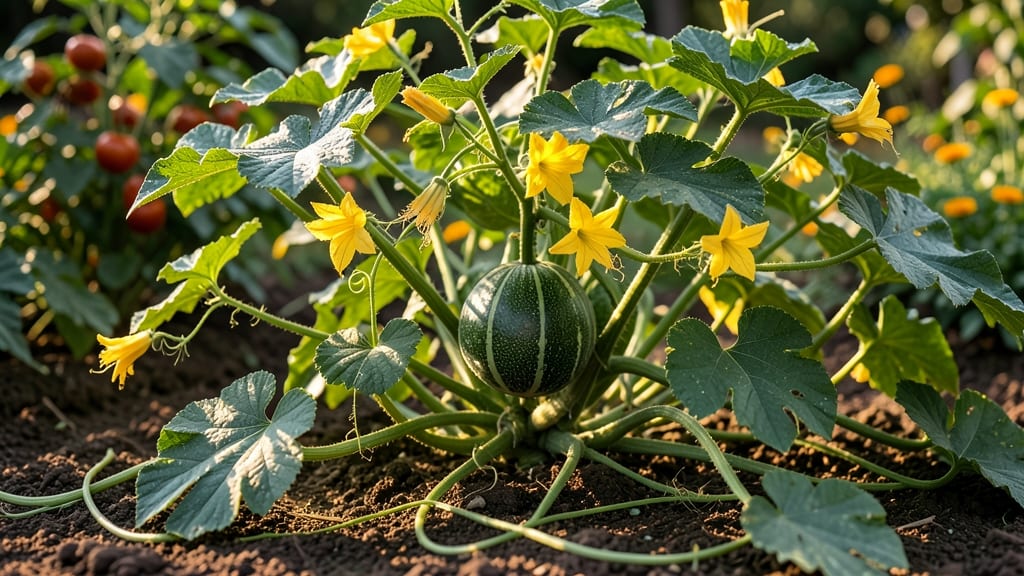
When your cantaloupe flowers bloom but nothing turns into fruit, you're not alone—this is one of the most frustrating gardening puzzles. The transformation from flower to 🍈 requires more than just sunshine; it demands the right pollination timing, environmental balance, and a few pro tips most gardeners overlook.
Here's the truth: cantaloupe plants depend on precise conditions to set fruit, and missing even one step can leave you staring at empty vines. Whether you're growing in Zone 6a or a greenhouse, understanding the science behind pollination is your ticket to a bountiful harvest.
Let me show you exactly what's happening—and how to fix it.
From hand-pollination techniques to attracting the right insects, we'll cover all the methods that actually work. You'll learn how temperature and humidity play a role, why some flowers fail to develop, and how to maximize your yield before July rolls around. Ready to turn those blooms into sweet, ripe cantaloupes?
This isn't just theory—it's actionable advice that will have you harvesting in no time. Let's get those flowers working for you!
How cantaloupe flowers develop into fruit: the science of pollination
If you've ever watched your cantaloupe vines burst into vibrant yellow flowers only to see them wilt without producing fruit, you're not alone. The transition from cantaloupe flower to fruit relies on precise pollination mechanics that many gardeners overlook.
Understanding this process unlocks the secret to a consistent harvest—even in less-than-ideal conditions.
The journey begins with the flower anatomy of cantaloupes, where male and female flowers play distinct roles. Male flowers appear first, producing pollen-rich stamens, while female flowers develop later with a tiny fruit bud at their base.
Without proper pollination, these female flowers simply drop off, leaving you with empty vines.
Here’s the critical timeline from bloom to fruit set: Day 1-3—flowers open and pollinators (or gardeners) must transfer pollen; Day 4-7—fertilization occurs, and the fruit begins swelling; Week 3-4—the cantaloupe grows rapidly, and the rind hardens. Missing any step here can halt progress entirely.
Environmental factors like temperature extremes can derail pollination. Cantaloupes thrive in 70-85°F temperatures—below 60°F or above 95°F, flowers may abort or fail to open. Humidity also plays a role: too much can drown pollen, while low humidity may cause flowers to wilt before pollination occurs.
Wind patterns matter too. In open fields, wind naturally disperses pollen, but in greenhouses or dense plantings, you may need to hand-pollinate using a small brush or cotton swab. I’ve found that morning pollination (before 10 AM) yields the best results, as dew-free flowers absorb pollen more efficiently.
One common misconception is that more flowers equal more fruit. In reality, only 10-20% of female flowers will successfully set fruit due to limited pollination resources.
To maximize yield, focus on healthy female flowers (identified by their tiny fruit bud at the base) and prioritize their pollination over male flowers.
If your cantaloupe flowers aren’t converting to fruit, check for these red flags: dropping flowers (pollination failure), small fruit that aborts (nutrient deficiency), or yellowing leaves (stress from heat or pests). Addressing these early can double your harvest—I’ve seen it happen in my own garden!
For greenhouse growers, artificial pollination is often necessary. Use a soft paintbrush to transfer pollen from male to female flowers daily. In outdoor gardens, planting bee-friendly flowers like basil or marigolds nearby can boost pollinator activity by up to 40%, ensuring more flowers make it to the fruit stage.
Remember, the first 72 hours after a female flower opens are critical. After that window closes, the chances of successful fruit set drop dramatically. By understanding these <
5 Proven methods to boost cantaloupe fruit set in your garden
If your cantaloupe plants are covered in vibrant yellow flowers but you're seeing few or no fruits, don't panic! The issue likely lies in pollination challenges. Cantaloupes are self-pollinating but rely heavily on external factors—whether from bees, wind, or a little help from you.
Let's dive into five actionable methods to transform those blooms into sweet, ripe cantaloupes.
First, understand that male and female flowers play distinct roles. Male flowers appear first and produce pollen, while female flowers (with tiny fruits at their base) need that pollen to develop.
Without proper pollination timing or pollinators, your plants will struggle to set fruit. The good news? You can take control of this process with these proven techniques.
🌱 Cantaloupe Flower to Fruit: Key Steps
- 1. Identify Female Flowers: Look for tiny fruits at the base of the bloom.
- 2. Pollinate Manually: Use a soft brush or cotton swab to transfer pollen.
- 3. Attract Pollinators: Plant bee-friendly flowers nearby (e.g., marigolds, sunflowers).
- 4. Maintain Optimal Conditions: Keep soil moist and temperatures between 70-85°F.
- 5. Troubleshoot Issues: Check for pests, nutrient deficiencies, or environmental stressors.
Let’s start with method #1: hand-pollination. This is especially useful in greenhouses, containers, or areas with low pollinator activity. On a sunny morning, gently pick a male flower (no fruit at the base) and use a small paintbrush or cotton swab to collect pollen from its anthers.
Then, transfer that pollen to the stigma of a female flower (the fuzzy center with a tiny fruit at its base). Repeat this process every 2-3 days during peak blooming.
For method #2: attracting pollinators, plant companion flowers like marigolds, sunflowers, or borage near your cantaloupe patch. These plants produce bee-friendly nectar and attract beneficial insects.
Additionally, avoid using pesticides during flowering, as they can harm pollinators. Place a shallow dish of water with pebbles nearby to give bees a safe drinking spot.
If your cantaloupes still aren’t setting fruit, method #3: optimizing growing conditions is critical. Cantaloupes thrive in warm soil (70°F+) and need consistent moisture. Water deeply in the morning to keep the soil evenly moist but not waterlogged.
Mulch around plants to retain soil moisture and regulate temperature. Also, ensure your cantaloupes get full sun (6-8+ hours daily)—shady spots can reduce flowering and fruit set.
For method #4: troubleshooting common issues, start by checking for pests like cucumber beetles, which can damage flowers and prevent pollination. Use row covers early in the season to protect blooms. If your plants look yellow or stunted, they may need more nitrogen or phosphorus.
Apply a balanced fertilizer (10-10-10) when flowers appear. Finally, if temperatures drop below 60°F or exceed 95°F, fruit set can fail—consider using shade cloth in extreme heat.
Lastly, method #5: patience and persistence pays off. After pollination, it takes 7-10 days for fruit to appear. If you’ve followed these steps but still see no fruit, try thinning excess fruit (leave 3-4 per vine) to ensure the remaining ones get proper nutrients.
With these methods, you’ll be well on your way to a bountiful cantaloupe harvest this season! 🍈