
Light Requirements
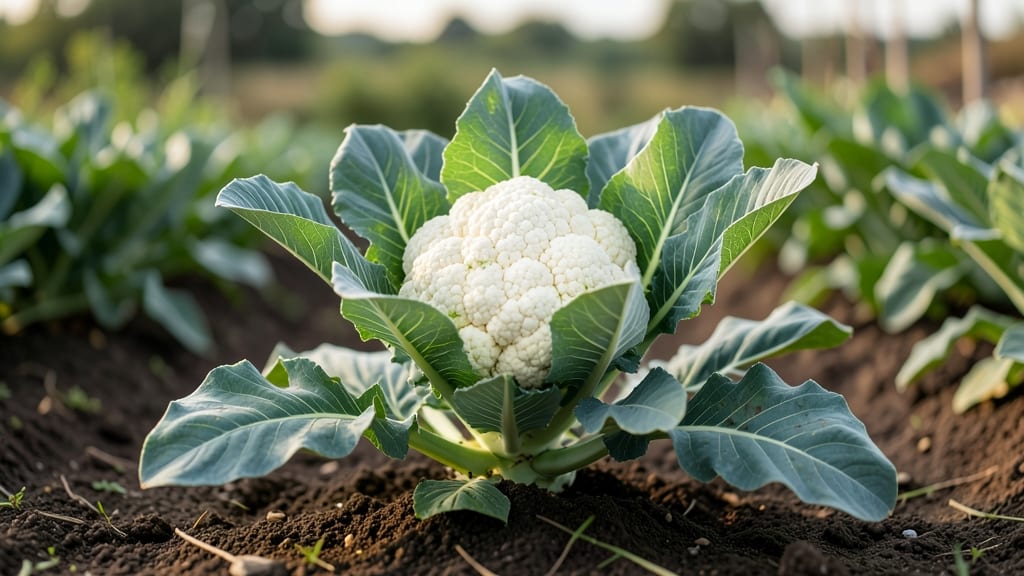
How many hours of sunlight does cauliflower need per day?
Cauliflower thrives under full sun exposure, but the exact sunlight hours needed shift dramatically as your plants transition from seedlings to mature heads. Too little light causes loose, bitter heads, while too much can trigger premature bolting or even sunburn.
Let’s break down the ideal sunlight formula for each growth stage to ensure you grow those perfect, snow-white curds.
For seedlings, aim for 4-6 hours of sunlight daily—this prevents leggy growth while protecting tender young plants. Once transplanted into the garden, mature cauliflower plants need 6-8 hours of direct sunlight to form tight, compact heads.
In hot climates (Zones 8-10), afternoon shade becomes crucial to prevent stress during peak heat.
During head formation (typically 6-10 weeks after transplanting), cauliflower needs consistent morning sunlight paired with afternoon shade in hot regions. This balance is critical for developing tight, snow-white heads—too much midday sun can cause the curds to turn yellow or green.
In cool climates (Zones 3-6), full sun is ideal year-round, but even here, afternoon shade helps during heatwaves.
If you’re growing cauliflower in containers or urban gardens, prioritize south-facing windows or grow lights for 6-8 hours daily. Without enough light, your plants will stretch toward any available sun, leading to weak stems and loose heads.
A simple trick? Rotate containers every few days to ensure even growth.
Partial shade—defined as 3-5 hours of direct sunlight—can actually improve flavor and texture in hot summer months. While your heads may grow slightly slower, they’ll be sweeter and more tender than those exposed to harsh afternoon rays.
Just avoid deep shade (<2 hours of sun), which leads to bolting (flowering prematurely) or poor head development.
One common mistake gardeners make is assuming more sun is always better. In reality, over 8 hours of direct sunlight in hot climates can cause sunburn on leaves and even discoloration in the curds.
To mitigate this, use lightweight shade cloth (30-50%) during peak hours (11 AM–3 PM) while still allowing plenty of morning light.
For northern climates (Zones 1-5), extend the growing season with cold frames or row covers to maximize sunlight exposure. These tools trap heat and light, helping cauliflower mature faster in shorter daylight hours.
In contrast, southern climates benefit from seasonal planting—start seeds in fall for winter harvests to avoid summer heat stress.
Pro tip: Monitor your cauliflower’s leaf color as an indicator of sunlight needs. Deep green leaves mean adequate light, while yellowing or purple-tinged leaves signal either too much sun or stress. Adjust shading or watering accordingly to keep your plants thriving.
By tailoring sunlight exposure to your cauliflower’s growth stage and local climate, you’ll harvest tight, flavorful heads all season long. Start with the summary-table guidelines, then fine-tune based on your garden’s microclimate—your future meals will thank you!
How to adjust sunlight for different cauliflower varieties and climates
Not all cauliflower varieties thrive under the same sunlight conditions. Green cauliflower like 'Snowball Y' needs 6-8 hours of full sun daily for tight, snow-white heads, while purple varieties such as 'Graffiti' tolerate partial shade better due to their higher anthocyanin content.
Your local climate also plays a role—hot, dry regions may require afternoon shade to prevent sunburn on delicate heads.
In cool climates, like USDA Zone 5 or colder, cauliflower can handle full morning sun with afternoon shade during summer months.
Meanwhile, warm climates like Zone 9 or 10 often need dappled shade to avoid overheating. Supplemental lighting can extend growing seasons in low-light areas, but it’s not a substitute for proper sunlight management.
🌱 Varietal & Climate Sunlight Adjustments
- Pros: Thrives in full sun
- Cons: Risks sunburn in heat
- Pros: Tolerates partial shade
- Cons: Less vibrant color in low light
- Pros: Morning sun boosts growth
- Cons: Afternoon shade needed in summer
- Pros: Dappled shade prevents stress
- Cons: Full sun causes bolting
For supplemental lighting, use LED grow lights on a 14-hour day/10-hour night cycle during cloudy spells or indoor growing.
Position lights 12-18 inches above plants to mimic natural sunlight. Reflective surfaces, like white walls or aluminum foil, can also maximize sunlight in shady spots by bouncing light onto your plants.
To prevent sunburn, provide light shade cloth (30-50% shade) during peak sun hours (11 AM–3 PM). Mulch heavily around plants to keep roots cool, and avoid overhead watering during hot days, which can magnify sunlight intensity. Dwarf varieties like 'Purple of Sicily' handle heat better than tall types, making them ideal for high-intensity climates.
In container gardens, rotate pots weekly to ensure even sunlight exposure. South-facing windows provide the best natural light for indoor cauliflower, but supplement with grow lights if daylight drops below 6 hours daily. Monitor leaf color—yellowing indicates too much sun, while pale green suggests insufficient light.
Adjusting sunlight isn’t just about hours—it’s about timing and intensity. Morning sun fuels growth, while afternoon shade prevents stress. Test your garden’s microclimates by moving plants around for a week to see where they thrive best.
With the right balance, you’ll harvest tight, flavorful heads regardless of variety or climate. 🌿