
Flowers
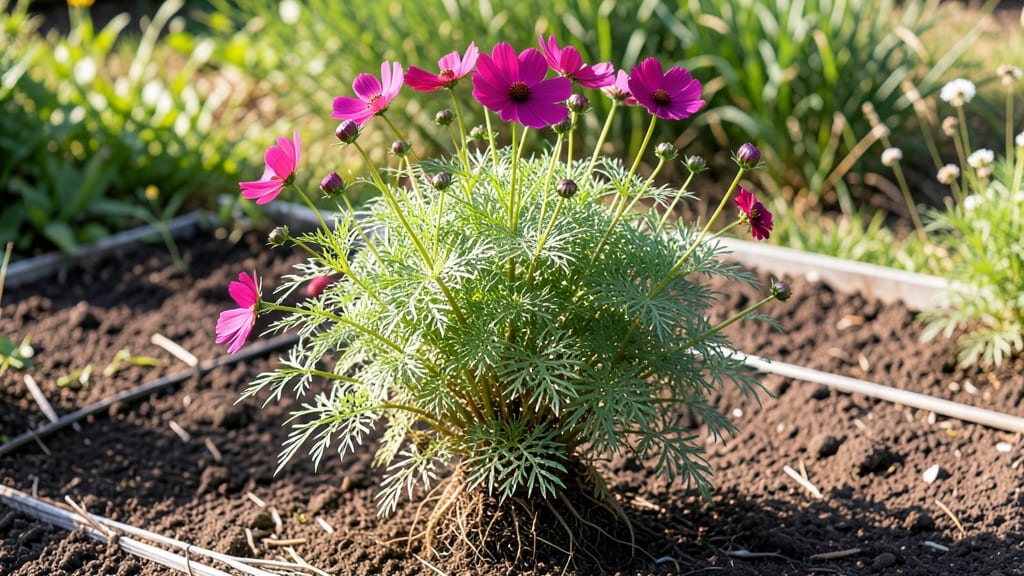
If you're planning your garden this spring and wondering just how tall the cosmos flower height will reach, you're in the right place. The cosmos flower height can vary wildly—from charming 1-foot dwarfs perfect for containers to 6-foot giants that create dramatic focal points in your landscape.
Knowing these differences upfront can save you from crowding issues or underwhelming displays.
I’ve grown cosmos for years, and what I’ve learned is that variety is everything. Some types barely clear your knees, while others tower over you like living sunflowers.
The key to happy cosmos lies in matching their mature size to your garden’s layout—whether that’s a cozy patio or a sprawling backyard. Let’s break down exactly what to expect from each type so you can plan with confidence.
Beyond variety, sunlight, soil, and even pruning habits play huge roles in determining how tall your cosmos will grow. Too much shade? They’ll stretch awkwardly. Skip the deadheading? You’ll end up with leggy stems instead of lush blooms.
I’ll share my go-to tricks for keeping cosmos at their ideal height, from spacing plants properly to when (and how) to give them a little support.
Ready to transform your garden with cosmos that thrive at the perfect height? Whether you’re dreaming of a romantic cottage border or a low-maintenance pollinator paradise, this guide will help you pick the right varieties and care for them like a pro. Let’s get growing!

Cosmos flower height by variety: dwarf to giant types explained
When planning your garden, understanding cosmos flower height by variety is key to creating a balanced, visually stunning layout. Cosmos plants range from dwarf varieties under 2 feet to giant types reaching 6 feet, offering endless design possibilities.
The right choice depends on your space, sunlight, and whether you prefer containers, borders, or back-of-bed planting.
Most gardeners focus on three height categories: dwarf (1-2 ft), medium (2-4 ft), and tall (4-6 ft). However, some unexpected varieties defy these classifications, like the 'Cosmos bipinnatus 'Sensation Mix' that grows taller than expected or 'Cosmos sulphureus 'Bright Lights', which stays compact.
Let’s explore how to match cosmos varieties to your garden’s needs.
Height directly impacts spacing, staking needs, and visual impact. For example, a 6-foot cosmos planted too close to a patio will block walkways, while a 1-foot dwarf in a large border will get lost. Below, we break down real-world growth expectations and spacing guidelines for each category.
| Variety | Height Range (ft) | Spacing (inches) | Best For | Notes |
|---|---|---|---|---|
| 'Purity' Series | 1-2 ft | 6-12 | Containers, borders | Compact, great for edging |
| 'Sensation Mix' | 2-3 ft | 12-18 | Cut flowers, borders | Classic medium height |
| 'Bright Lights' | 3-4 ft | 18-24 | Back of beds, cut arrangements | Bold foliage, heat-tolerant |
| 'Seashells' | 4-5 ft | 24-36 | Tall borders, cut flowers | Delicate pink blooms |
| 'Cosmos sulphureus' | 5-6 ft | 36+ | Backdrop, wildflower meadows | Needs staking, drought-resistant |
| 'Double Click' | 1.5-2.5 ft | 12-18 | Containers, mixed borders | Double blooms, compact |
| 'Ladybird' | 2.5-3.5 ft | 18-24 | Cut flowers, pollinator gardens | Long bloom season |
Dwarf cosmos varieties like 'Purity' Series (1-2 ft) are perfect for containers, window boxes, or small-space gardens. Their compact size makes them ideal for patio pots or balcony gardens, where taller plants would overwhelm the space.
I’ve used 'Purity White' in 12-inch pots to create floating islands in my courtyard, adding height without bulk.
Medium-height cosmos (2-4 ft), such as 'Sensation Mix' or 'Ladybird', strike the perfect balance for border planting. These varieties thrive when spaced 12-18 inches apart, creating a lush, continuous bloom from summer through fall.
In my garden, I pair them with salvias and ornamental grasses to add texture and contrast.
Tall cosmos (4-6 ft), including 'Seashells' and 'Cosmos sulphureus', demand more space and often require staking or support. These varieties excel as backdrop plants or in wildflower meadows, where their height can be fully appreciated.
For example, 'Cosmos sulphureus' reaches 5-6 feet and pairs beautifully with sunflowers or hollyhocks for a dramatic summer display.
Unexpected varieties like 'Double Click' (1.5-2.5 ft) offer double blooms in a semi-dwarf form, making them versatile for mixed borders or containers. Meanwhile, 'Bright Lights' (3-4 ft) features striking foliage colors and thrives in hot, dry climates, where other cosmos might struggle.
These lesser-known types let you experiment with height, color, and texture beyond the classics.
When planning your cosmos garden, consider height-to-width ratios to avoid overcrowding. For instance, a 6-foot cosmos planted 36 inches apart will create a dense vertical screen, while
How to control cosmos flower height for garden planning
Controlling cosmos flower height starts with understanding how your garden’s conditions influence growth. Cosmos thrive in full sun and well-draining soil, but even with ideal care, their height can vary. If you’ve ever planted cosmos only to watch them stretch tall and leggy, you’re not alone.
The good news? With a few simple techniques—like pruning, deadheading, and strategic companion planting—you can guide their growth to match your garden’s vision.
I’ve found that taller cosmos varieties (like Cosmos bipinnatus) need extra attention to stay sturdy, while dwarf cosmos (such as Cosmos ‘Purity’) rarely require support. The key is balancing their natural growth habits with your garden’s layout.
Whether you’re aiming for a romantic cottage border or a modern pollinator garden, managing height ensures your cosmos shine without overwhelming other plants.
🌱 5 Proven Ways to Control Cosmos Height
- 🌿 Prune for Bushiness: Trim back leggy stems by 1/3 to encourage fuller growth and shorter stature.
- ✂️ Deadhead Regularly: Remove spent blooms to redirect energy to stronger stems and prevent overgrowth.
- ☀️ Optimize Sunlight: Provide 6+ hours of sun to prevent tall, weak stems from stretching for light.
- 🪴 Use Support Stakes: Install bamboo stakes or cages for varieties over 4 feet tall to avoid flopping.
- 🌱 Companion Plant: Pair cosmos with low-growing companions (like marigolds) to fill gaps and control sprawl.
One of the most effective ways to keep cosmos compact is through pruning. When I notice stems getting too tall or woody, I snip them back just above a leaf node. This encourages the plant to branch out, creating a bushier, more manageable shape.
For tall cosmos varieties, I often prune in early summer to promote a second flush of blooms while keeping the plant from toppling over.
Deadheading—removing faded blooms—is another game-changer. I make it a habit to check my cosmos every few days and snip off spent flowers with clean bypass pruners.
This not only keeps the plant looking tidy but also prevents it from putting energy into seed production, which can lead to taller, less robust growth. Plus, it extends the blooming season, giving you more time to enjoy their vibrant colors.
Don’t overlook the power of companion planting. If you’re struggling with cosmos height control, try pairing them with shorter, fast-growing plants like sweet alyssum or lobelia. These plants fill in the gaps at the base, creating a layered look while naturally limiting the cosmos’ vertical spread.
For taller varieties, I often plant them at the back of borders and use ornamental grasses to soften their height and add texture.
Finally, pay attention to your garden’s soil conditions. Cosmos prefer well-draining, slightly sandy soil, but if your soil is heavy or nutrient-rich, they may grow too quickly and become top-heavy. Amending the soil with compost or perlite can help strike the right balance.
And if you’re growing cosmos in containers, choose pots that are at least 12 inches deep to accommodate their root systems without restricting growth.