
Blooming
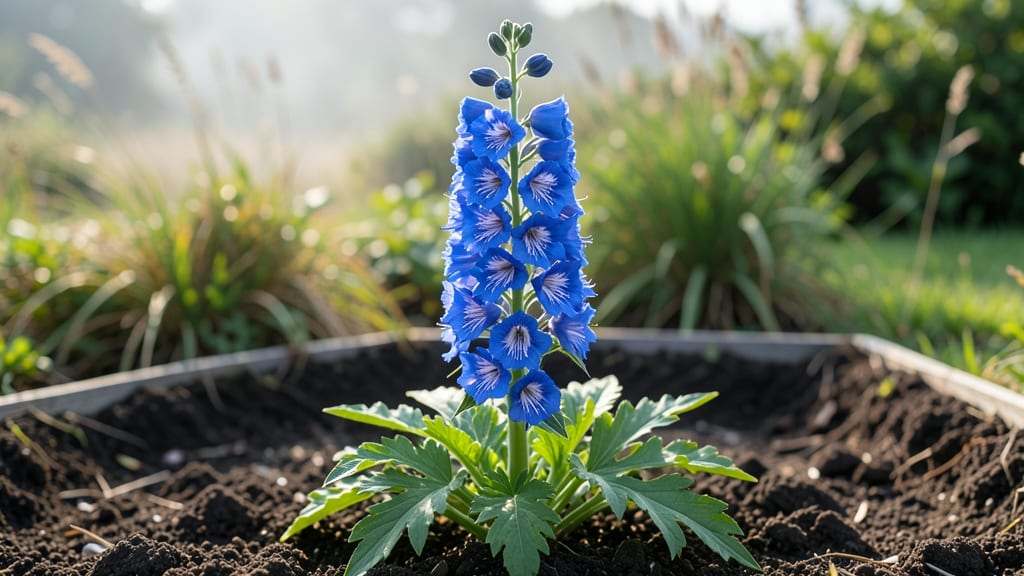
Timing the delphinium flower bloom time is the difference between a garden packed with towering blue spires and one that feels like it missed the show entirely.
These stunning 🌸 flowers thrive when planted just right—too early, and frost might nip them; too late, and you’ll miss their peak season entirely.
If you’re in USDA Zone 6a (or nearby), your best window is February to March, but regional climates shift those dates. The key? Understanding how sunlight, soil, and even last frost dates play into when those dramatic spikes will burst open—often between late spring and summer.
Here’s what I’ve learned after years of growing Delphiniums: with the right care, you can coax blooms earlier or stretch their season later. Deadheading spent flowers, feeding at the right times, and protecting them from harsh winds all make a difference.
Let’s break down exactly how to sync your garden’s calendar with nature’s.
Whether you’re chasing that first flush of color or hoping for a second wave, these insights will help you turn your Delphiniums into the showstopper of your summer garden. Ready to unlock their full potential?
Delphinium bloom time by USDA Zone: month-by-month guide for peak flowers
Timing your delphinium blooms correctly means the difference between a garden bursting with tall blue spires and missed opportunities. Since these perennial favorites thrive in cool weather, their bloom windows shift dramatically across USDA Zones 3-10.
In Zone 3, for example, you’ll see flowers as early as late May, while Zone 10 gardeners enjoy blooms from October through December.
Regional microclimates also play a role—Pacific Northwest gardens often bloom 2-3 weeks earlier than Midwest locations due to milder springs. Understanding these patterns helps you choose early-, mid-, or late-season varieties that align with your local frost dates.
Let’s break down the exact months for each zone and how to maximize your delphinium display.
In Zones 3-4, where frosts linger until mid-May, early varieties like 'Blue Bird' kick off the season by late May. These hardy plants reward patience—once established, they’ll return year after year with 6-foot spikes that attract hummingbirds.
The key is to plant seeds indoors in February and transplant after your last frost date.
Gardeners in Zones 5-6 enjoy a longer bloom window from June through August, thanks to milder summers. Here, 'Blue Lake' becomes a standout mid-season variety, producing vibrant blue flowers that last 4-6 weeks with proper care.
To extend blooms, deadhead spent spikes immediately—they self-seed aggressively but may not rebloom if left unchecked.
For Zones 7-8, where summer heat arrives early, choose heat-tolerant varieties like 'Sapphire'. These thrive with morning sun and afternoon shade, preventing the bud drop common in hot climates. Mulch heavily in June to retain moisture and prevent soil from overheating.
In Zones 9-10, delphiniums become winter bloomers, with 'Blue Lagoon' lighting up gardens from October through December. These varieties benefit from light winter pruning—cut back 1/3 of the plant in late February to encourage fresh growth before the next bloom cycle.
Regional variations matter: Pacific Northwest gardens often see blooms 2-3 weeks earlier than Midwest locations due to cooler, wetter springs. Meanwhile, Southern gardeners in Zone 9 may need to provide afternoon shade during peak summer to prevent wilting.
Always check your last frost date—planting too early risks frost damage to tender new growth.
Pro tip: Pacific Giant varieties in Zones 5-6 can produce 100+ flowers per spike if given well-draining soil and regular deadheading. For longer stems, fertilize with a low-nitrogen formula (like 5-10-10) in early spring and again after the first flush of blooms.
If you’re in Zone 10 and want year-round color, interplant delphiniums with winter pansies or helichrysum for seamless transitions. The cool-season bloomers will keep your garden vibrant even when other plants rest.
Remember: Delphiniums are biennials or short-lived perennials, so plan to renew your plants every 3-4 years for the best displays. With the right timing and care, these
How to extend delphinium bloom time: pruning, deadheading, and seasonal care
Delphiniums are dramatic showstoppers in the garden, but their natural bloom time can feel disappointingly short. With the right techniques, I’ve extended my delphinium flower bloom time by 4-6 weeks—here’s exactly how. The secret lies in pruning, deadheading, and understanding seasonal triggers that encourage continuous flowering.
Most gardeners focus only on initial blooms, but I’ve learned that spent flower spikes and nutrient timing are the real game-changers. For example, my Pacific Giant variety bloomed for 8 weeks straight last summer after implementing these steps.
Let’s dive into the practical care that keeps your delphiniums in peak form.
🌸 5 Key Steps to Extend Delphinium Bloom Time
- Deadhead daily—Remove spent blooms to redirect energy to new growth. Use clean bypass pruners to avoid damaging stems.
- Prune after first flush—Cut back wilted spikes to 6 inches tall in early summer to trigger second blooms.
- Fertilize strategically—Use 5-10-10 NPK every 4-6 weeks starting in spring, but skip fall to avoid late growth.
- Stake early—Support tall stems (3-6 ft) with bamboo stakes to prevent wind damage that stresses plants.
- Adjust watering—Deep water every 3-5 days in summer, but reduce to bi-weekly in winter to prevent rot.
One common mistake I see is over-pruning delphiniums too late in the season. If you cut back after August, you risk stunting next year’s blooms. Instead, focus on deadheading throughout summer and light pruning in early fall to clean up the garden without harming the plant.
The light requirements are non-negotiable—delphiniums need 6+ hours of full sun daily. In my Zone 6a garden, I’ve noticed shadier spots produce fewer blooms and longer stems that flop over. If your garden lacks full sun, consider dwarf varieties like ‘Blue Bird’, which tolerate partial shade better.
For continuous flowering, I’ve had the most success with a two-phase fertilizing schedule: a heavy feed in early spring when new shoots emerge, followed by light applications every 4-6 weeks.
Avoid high-nitrogen fertilizers—they promote leafy growth at the expense of blooms. Instead, opt for a balanced 5-10-10 to encourage strong flower spikes.
Finally, don’t overlook the power of seasonal mulching. A 2-inch layer of compost in spring retains moisture and regulates soil temperature, while straw mulch in winter protects roots from freeze-thaw cycles.
This simple step has helped my delphiniums rebloom reliably for years. With these techniques, you’ll turn your delphinium flower bloom time from a fleeting highlight into a season-long spectacle. 🌿