
Blooming
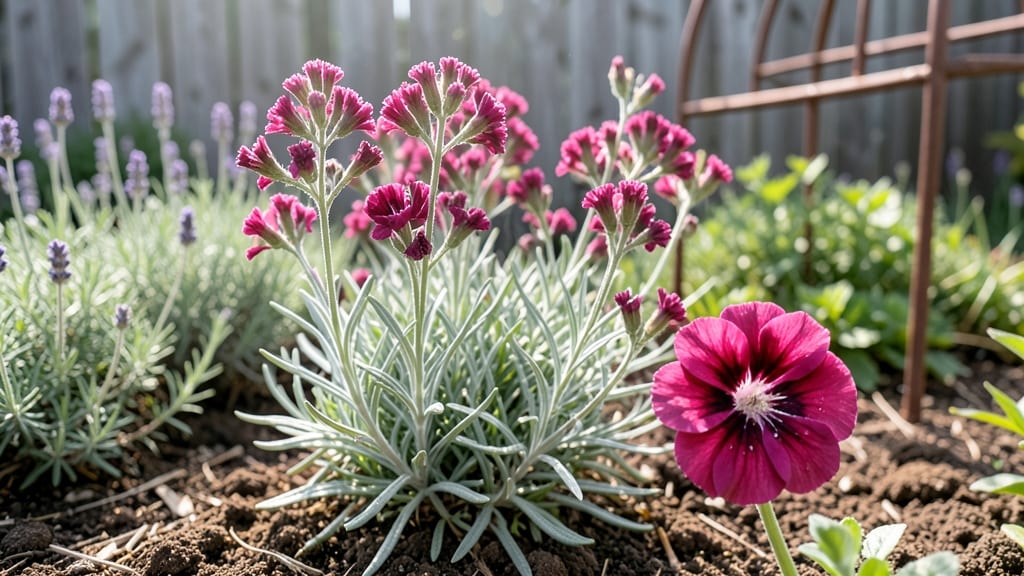
If you’ve ever planted dianthus and struggled to extend its flowering season beyond midsummer, you’re not alone—timing is everything. The key to vibrant, long-lasting blooms lies in understanding your USDA zone and planting at the perfect moment, whether that’s March or September, depending on where you live.
For gardeners in Zone 6a (like me!), the ideal window is March–April, right after the last frost, to ensure those cheerful pink, red, and white blooms burst forth by June.
But here’s the secret: with the right care, you can stretch that flowering season well into August—or even trick your plants into reblooming in fall.
In this guide, I’ll break down exactly when to plant dianthus for zero-frost blooms, which varieties thrive in your climate, and the 3 simple tricks to keep them flowering all season long. No more missed opportunities—just lush, repeat blooms that turn heads.
Ready to transform your garden into a year-round dianthus paradise? Let’s dive into the planting chart and care tips that actually work.
USDA zone planting chart for dianthus flowering season by region
Timing your dianthus planting by USDA zone ensures vibrant blooms all season long. These hardy flowers thrive with proper timing—whether you're in cold Zone 3 or warm Zone 11. The key is understanding your last frost date and frost-free window to maximize flowering potential.
Perennial dianthus typically blooms in late spring and early summer, but with the right care, you can extend their season. In cooler zones, fall planting gives roots time to establish before winter. Meanwhile, warm-zone gardeners can enjoy near-year-round blooms with strategic deadheading and seasonal pruning.
Below is your zone-by-zone planting guide, including frost warnings and zero-frost bloom strategies for warmer climates. This ensures your dianthus will reward you with continuous color from spring through fall.
In Zones 3-4, where winters are harsh, plant dianthus in late May after all frost risk has passed. This gives roots time to establish before the first autumn frost, ensuring robust blooms the following summer. Use frost cloth if you want early blooms in spring.
Gardeners in Zones 5-6 have the most flexibility. Plant in early spring for summer blooms or late summer for next year's flowers. The fall planting method is especially effective here—it gives roots a head start before winter dormancy.
For Zones 7-8, where frost is rare, you can plant as early as March. These zones benefit from deadheading spent blooms to encourage a second flush of flowers in fall. Choose heat-tolerant varieties like 'Firewitch' for extended season color.
In Zones 9-10, dianthus can bloom almost year-round with proper care. Plant in winter months for continuous color. Use succession planting—replace spent plants with new ones every 2-3 months—to maintain a vibrant garden bed.
If you live in Zone 11, treat dianthus as an annual or grow them in containers that you can move indoors during extreme heat. Plant in cool winter months for spring blooms, then repeat the cycle. Varieties like 'Mystic Tides' thrive in these conditions.
Remember, well-draining soil and full sun exposure are non-negotiable for dianthus success. Amend heavy soils with compost to prevent root rot, and always plant in areas with 6+ hours of direct sunlight daily.
With this zone-specific planting guide, you'll enjoy continuous dianthus blooms from spring through fall—no frost required! Start planning your planting schedule today for a garden bursting with color all season long. 🌸
How to extend dianthus blooms through all four seasons
Dianthus thrives on consistent care to reward you with nonstop blooms. The key lies in seasonal maintenance—pruning, deadheading, and smart companion planting. With these techniques, you can enjoy vibrant flowers from spring through fall, and even into winter in mild climates.
Let’s break down how to maximize your dianthus’ flowering potential year-round.
First, understand that dianthus is a repeat bloomer when given the right conditions. Unlike some annuals, it self-cleans by dropping old flowers, but you can encourage more blooms with regular deadheading.
Start by removing spent blooms as soon as they fade—this redirects the plant’s energy into producing new flowers instead of seeds. For longer stems, trim back to just above a set of healthy leaves.
Pinch off wilted blooms every 2-3 days in peak season (spring/summer). Use clean pruners or fingers to avoid damaging stems.
After the first spring flush, trim 1/3 of the plant to encourage bushier growth. Repeat in early fall to prep for winter.
Use a balanced 10-10-10 fertilizer every 4-6 weeks during active growth (spring/summer). Skip fall/winter to avoid overstimulating dormant plants.
Plant lavender (repels pests) and thyme (attracts pollinators) nearby. Avoid heavy feeders like tomatoes, which compete for nutrients.
Apply 2-3 inches of mulch in late fall to insulate roots. Use straw or shredded leaves—never wet mulch, which causes rot.
For extended blooms, pay attention to watering patterns. Dianthus prefers dry soil between waterings—overwatering leads to root rot and fewer blooms. Water deeply in the morning to reduce fungal risks, and reduce frequency in winter months unless your climate is exceptionally mild.
Finally, protect your dianthus from pests like aphids and slugs. Aphids love new growth, so spray with neem oil if you spot clusters. For slugs, set up beer traps or use copper barriers around containers.
With these seasonal adjustments, your dianthus will reward you with continuous color from spring to frost! 🌸