
Flowers
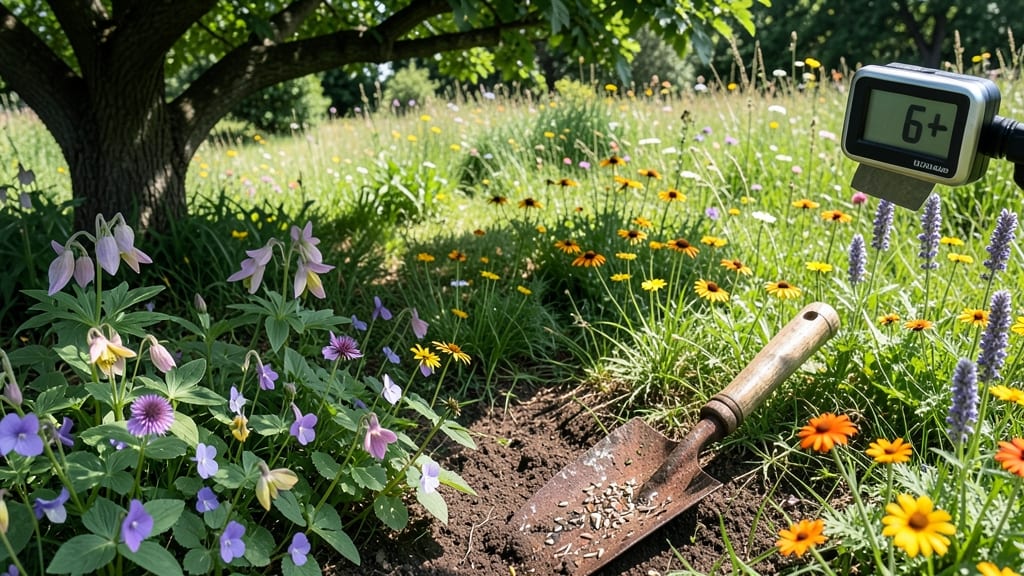
If you’ve ever wondered do wildflowers need full sun, the answer is a resounding no—many stunning varieties actually thrive in partial shade. The truth is far more flexible than most gardeners realize, with shade-tolerant wildflowers blooming just as beautifully in dappled light.
Whether you’re working with a shady yard or simply want to diversify your garden’s sunlight options, the right wildflowers can transform even low-light spaces. From delicate columbine to hardy bleeding heart, these plants prove that full sun isn’t the only path to vibrant blooms.
In this guide, I’ll break down which wildflowers adapt best to partial shade, how to maximize their growth, and common mistakes to avoid. By the end, you’ll know exactly how to create a thriving wildflower garden—no matter how much sunlight your space gets.
Ready to discover the perfect shade-loving wildflowers for your garden? Let’s dive into the details that will make your garden flourish, even in less-than-sunny spots.

Wildflowers that thrive in partial shade (with sunlight tolerance guide)
Not all wildflowers demand full sun to flourish—many shade-tolerant varieties thrive with just 3-6 hours of sunlight daily.
If your garden has dappled light or morning shade, you're not limited to ferns and hostas. Columbine, bleeding heart, and astilbe are just a few stunning options that prove wildflowers can adapt beautifully to partial shade.
The key is understanding each variety's sunlight tolerance and adjusting care accordingly. Some wildflowers, like foxglove, will still bloom in full shade, while others like black-eyed Susan need at least 6 hours of sun for peak performance.
Let’s explore the best partial-shade wildflowers and how they perform in different light conditions.
🌿 Comparison Table: Sunlight Tolerance for Partial-Shade Wildflowers
Columbine is one of my favorite partial-shade wildflowers because it’s so adaptable. It handles 3-6 hours of sun beautifully, producing vibrant, nodding flowers in shades of blue, purple, and white. In full shade, it may still bloom but with slightly smaller flowers and less vigor. Pair it with ferns or hostas for a lush woodland garden.
Bleeding heart is another shade-lover that thrives in partial shade with morning sun. Its heart-shaped blooms add whimsy to shady borders, and it tolerates full shade better than most wildflowers. For best results, plant it where it gets filtered light all day—like under dappled tree canopies.
Astilbe, with its feathery plumes, is a must-have for low-light gardens. It performs exceptionally well in full shade, making it perfect for north-facing beds or areas under large trees. Even with just 3 hours of sun, it produces lush, colorful blooms that last for weeks.
If you’re working with full shade (less than 3 hours of sun), consider foxglove or lungwort. Both are shade-tolerant wildflowers that will reward you with tall, dramatic flowers and textured foliage.
Foxglove, in particular, can reach 5 feet tall in full shade, creating a striking vertical element in your garden.
For mixed-light conditions, try combining shade-tolerant wildflowers with sun-loving perennials. For example, plant <
How to maximize wildflower growth in low-light gardens
Low-light gardens can still burst with color when you choose the right wildflowers and give them the proper care. The key lies in understanding how to create ideal growing conditions for shade-tolerant species.
Unlike sun-loving varieties, these wildflowers thrive with 3-6 hours of sunlight daily and often prefer dappled light conditions found under trees or on north-facing slopes.
I’ve found that the secret to success in low-light spaces starts with soil preparation. Most shade-loving wildflowers prefer well-draining, slightly acidic soil with plenty of organic matter. Amending your soil with compost before planting creates the perfect foundation for root development and nutrient uptake.
Here’s how to optimize your low-light wildflower garden with my proven techniques:
-
1. Test & Amend Soil
Aim for pH 6.0-7.0 and 30% organic matter. Add compost or peat moss to improve drainage in heavy clay soils. -
2. Choose Companion Plants
Pair wildflowers with hostas, ferns, or astilbe to create a natural shade garden ecosystem that retains moisture. -
3. Mulch Strategically
Use 2-3 inches of wood chips to suppress weeds and maintain even soil moisture without compacting roots. -
4. Water Deeply but Less Often
1-2 inches per week during establishment, then reduce to every 10-14 days once established. -
5. Adjust Seasonal Care
Spring: Light fertilizer (5-10-10)
Summer: Mulch to retain moisture
Fall: Reduce watering as growth slows
Seasonal adjustments make all the difference in low-light gardens. In spring, I recommend a light application of balanced fertilizer (5-10-10 ratio) to encourage root development without promoting excessive leaf growth. Summer care focuses on mulching to lock in moisture and protect delicate roots from drying out.
Fall is when I reduce watering significantly, allowing the soil to cool naturally. This mimics the plant’s natural dormancy cycle and prevents root rot in heavy soils.
I’ve also noticed that deadheading spent blooms in late summer encourages a second flush of flowers in some shade-tolerant varieties like columbine and foxglove.
One of my favorite techniques is creating micro-climates within the garden. By placing taller plants like black-eyed Susans at the back and shorter varieties like wild ginger in front, I can maximize light exposure for all plants.
This layering approach also helps retain moisture and creates a more natural, self-sustaining ecosystem.
Remember that even shade-loving wildflowers need some light to thrive. If your garden receives less than 3 hours of sunlight daily, consider supplementing with a reflective surface like white gravel or a light-colored wall to bounce additional light onto your plants.
With these techniques, your low-light garden can become a vibrant wildflower oasis.