
Watering
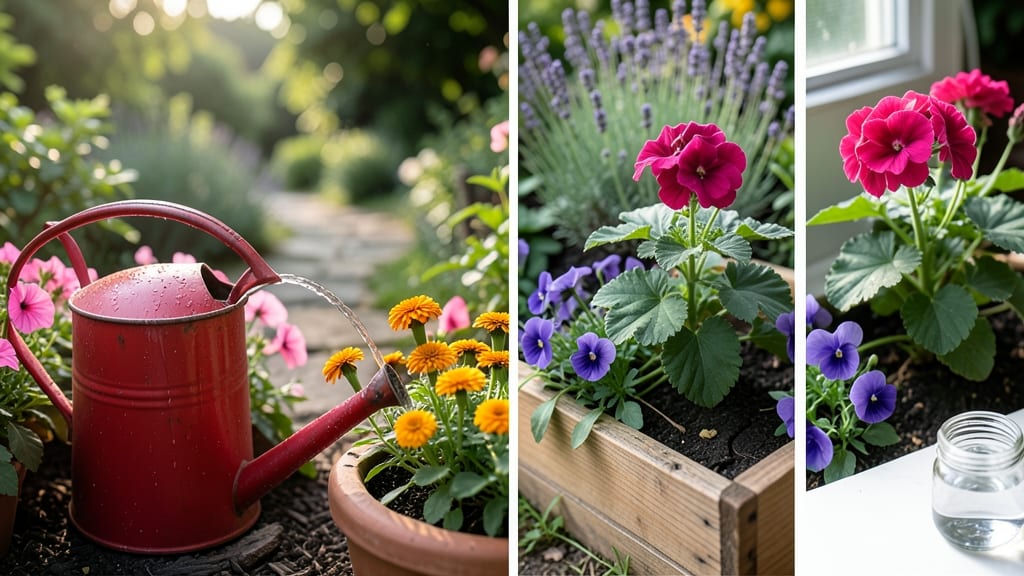
Do you have to water flowers every day? While it might feel like the safest bet, overwatering is the silent killer of most garden beds. The truth is, your 🌸 blooms often thrive on less frequent—but deeper—watering than you think.
Climate, soil type, and even the season play huge roles in how often your flowers actually need hydration. A drought-resistant variety in full sun might only need water every 5 days, while a potted annual in hot weather could dry out in just 24 hours.
The key is learning your plants' unique signals.
Instead of guessing, I’ll show you how to check soil moisture, adjust for seasonal shifts, and spot the 7 warning signs of overwatering before it’s too late. By the end, you’ll have a personalized watering schedule that keeps your flowers lush without the wasted effort.
Let’s cut through the confusion and get your garden blooming with confidence—no daily routine required.


How often should you water flowers based on plant type and climate
Watering flowers isn't one-size-fits-all—what works for succulents will drown petunias. The key is understanding your plant type, climate zone, and soil conditions. Daily watering might be perfect for annuals in summer heat, but perennials in winter can survive weeks without a drop.
Let's break down the science-backed schedules to keep your blooms thriving without wasting water.
Most gardeners assume flowers need daily watering, but that's only true for young seedlings or container plants in extreme heat. Even then, deep watering every other day often outperforms light daily doses. The real secret?
Matching your watering routine to your plant's root depth and local evaporation rates. For example, geraniums (root depth: 6-12 inches) need less frequent watering than marigolds (root depth: 3-6 inches).
Climate is the wild card—humid Zone 7 gardens retain moisture longer than arid Zone 9 landscapes. In dry climates, watering early morning (before 9 AM) minimizes evaporation, while coastal gardens may only need watering every 5-7 days thanks to natural fog moisture. Always check the top 1-2 inches of soil before watering: if it's damp, wait.
| Plant Type | Water Frequency | Climate Adjustments | Soil Test |
|---|---|---|---|
| Annuals (e.g., Petunias, Zinnias) | Every 1-2 days (summer); every 3-4 days (spring/fall) | +2 days in humidity; -1 day in heat | Damp 1-2" down |
| Perennials (e.g., Lavender, Coneflowers) | Every 3-5 days (established); every 5-7 days (dormant) | +3 days in winter; -2 days in drought | Dry 3-4" down |
| Succulents (e.g., Sedum, Echeveria) | Every 7-14 days (spring/fall); every 3-4 weeks (winter) | +1 week in shade; -5 days in heat | Completely dry |
| Bulbs (e.g., Tulips, Daffodils) | Every 5-7 days (spring); none (fall/winter) | +1 week in rain; -2 days in wind | Damp 2-3" down |
| Container Flowers (e.g., Impatiens, Begonias) | Daily (summer); every 2-3 days (spring/fall) | +1 day in shade; -1 day in heat | Damp 1" down |
For annual flowers like petunias or geraniums, daily watering in summer is often necessary, but only if you're providing 1-1.5 inches of water per week. The trick is to water deeply—aim for moisture at least 6 inches down—rather than just wetting the surface.
Use your finger to test: if the soil feels dry 2 inches down, it's time to water. Morning watering is ideal because it reduces fungal diseases (like powdery mildew) by allowing foliage to dry quickly.
Perennials and bulbs are far more forgiving. Once established, lavender or daylilies can go 7-10 days without water in cool weather. The exception? Newly planted perennials, which need consistent moisture for the first 2-3 weeks to establish roots. Even then, mulching with 2-3 inches of organic matter (like straw or shredded leaves) can cut watering needs by 30-50% by retaining soil moisture.
If you're in a hot, dry climate (like Zone 9 or 10), adjust your schedule by watering early morning or late evening to prevent rapid evaporation.
For humid climates (like Zone 7 or 8), you might only need to water every 5-7 days because natural rainfall and dew provide extra moisture. Always monitor your plants: wilting leaves usually mean thirst, but yellowing leaves often signal overwatering.
The soil type matters too—sandy soil drains quickly (water more
7 Signs your flowers are overwatered (and how to fix it)
Even with good intentions, I’ve drowned more than a few plants by assuming "more water is better." Overwatering disrupts oxygen flow to roots, inviting fungal infections and root rot. The irony?
Your flowers may wilt despite soggy soil—a classic sign you’ve gone too far. Most gardeners overestimate how often flowers need hydration, especially in humid climates or with heavy soils.
Before you panic, know that recovery is possible. The key is spotting the early warning signs: yellowing leaves, mushy stems, or white mold on soil. These aren’t just aesthetic issues—they’re your plants’ distress signals. Let’s decode them and fix the problem before it’s irreversible.
⚠️ Stop Watering Daily!
Daily watering is only necessary for potted annuals in summer heat (like petunias or geraniums). For most flowers, every-other-day watering in warm weather and weekly in cooler months is sufficient. Check soil moisture first: Stick your finger 1-2 inches deep—if it’s damp, wait.
Pro Tip: Use a moisture meter for accuracy. Overwatering in clay soil is especially risky—it holds moisture like a sponge.
First, watch for yellowing leaves that start at the bottom. Unlike nutrient deficiencies, overwatering causes uniform yellowing across the leaf, not just between veins. This happens because roots suffocate in waterlogged soil, starving the plant of oxygen. Droopy leaves that don’t perk up after watering?
Another red flag—your flowers are gasping for air.
Next, inspect the soil surface. If it’s crusty or covered in white mold (like cottony fuzz), your watering routine is creating a fungal paradise. Mold thrives in damp, shaded soil, and it’s the first step toward root rot.
Break up the top inch of soil with a fork to improve airflow, then reduce watering to every 5-7 days until the mold disappears.
For root rot recovery, act fast. Gently remove the plant from its pot or dig it up, then trim any black, mushy roots with sterilized scissors. Repot in fresh, well-draining soil and hold off on watering for 3-5 days to let roots heal.
If the rot is severe, consider propagating from healthy stems instead.
Finally, adjust your watering schedule based on the season. In spring and fall, flowers typically need water every 3-4 days. But in summer’s peak heat, even drought-tolerant flowers may need daily watering—only if the top inch of soil is bone dry.
Always water at the base of the plant, not overhead, to prevent fungal spores from splashing onto leaves.
Remember: Consistency beats frequency. A deep watering every 5 days encourages stronger roots than daily shallow drinks. Trust your plants—they’ll tell you when they’re thirsty, not when they’re drowning. 🌸