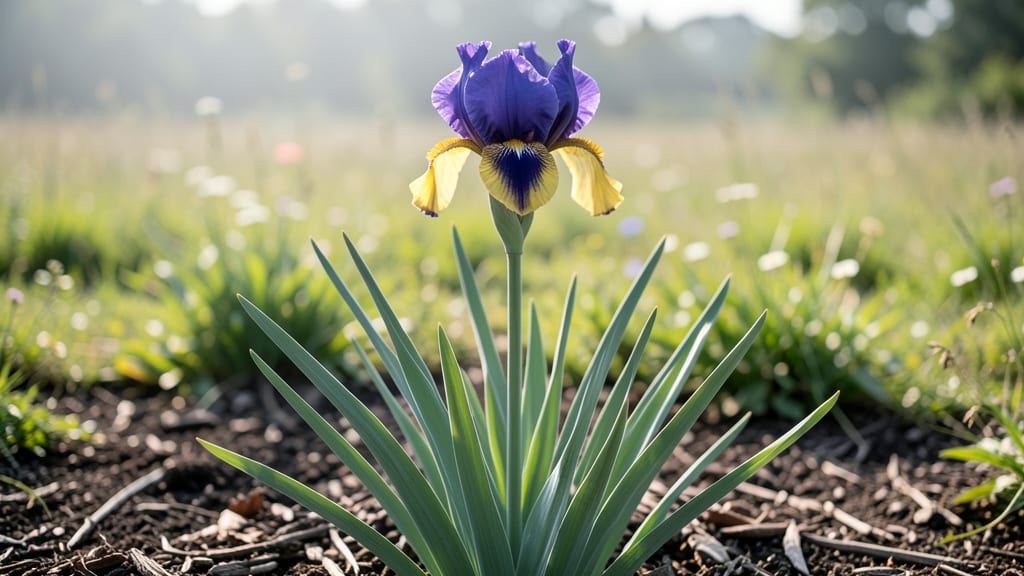
Timing the dutch iris flowering time perfectly can turn your spring garden into a showstopper—but if you’ve ever missed their peak, you know how frustrating it can be.
These vibrant perennials typically burst into color between April and May, but their exact flowering window depends on variety, climate, and even the care you provide.
Most Dutch irises bloom just once a season, offering 2-3 weeks of stunning color, but with the right techniques, you can coax them into lasting longer.
Whether you’re in USDA Zone 6 or another region, understanding the factors that influence their bloom time—like sunlight exposure, soil health, and proper planting—is the key to unlocking their full potential.
In this guide, I’ll break down exactly when different varieties bloom, how to extend their flowering period, and what to do after they fade to keep your plants thriving for years to come. Let’s get your Dutch irises putting on their best show yet!
From early bloomers like ‘Professor Blok’ to late-season stars, you’ll discover how to time their display for maximum impact—and troubleshoot common issues that might be holding them back. Ready to transform your garden into a springtime masterpiece?
Dutch iris flowering time by variety: exact bloom windows and duration
Dutch irises are famous for their vibrant blooms, but their flowering windows can vary dramatically between varieties. Some burst into color in early spring, while others shine in late spring. Understanding these differences helps you plan your garden for maximum impact.
Whether you're in USDA Zone 3 or Zone 10, knowing when to expect blooms ensures you're ready to capture their glory.
Most Dutch iris varieties bloom just once per year, typically between April and June, depending on your region. However, some early varieties may start as early as March in warmer zones, while late bloomers can stretch into July in cooler climates.
The duration of each bloom cycle also varies—some last just 7-10 days, while others linger for 2-3 weeks if cared for properly.
Below is a detailed breakdown of 12 popular Dutch iris varieties, including their exact bloom windows, duration, and regional adjustments for USDA Zones 3-10. Use this guide to select varieties that align with your garden's timeline and climate.
| Variety |
Bloom Window (USDA Zone 6) |
Bloom Duration |
Early Bloom Adjustment (Zone 3) |
Late Bloom Adjustment (Zone 10) |
| Professor Blok |
Late April - Early May |
10-14 days |
3-4 weeks later |
2-3 weeks earlier |
| White Queen |
Early May - Mid-May |
12-16 days |
4 weeks later |
3 weeks earlier |
| Blue Flag |
Mid-May - Late May |
14-21 days |
5 weeks later |
1 week earlier |
| John C. Wister |
Early April - Early May |
7-10 days |
2-3 weeks later |
4 weeks earlier |
| Purple Dream |
Late May - Early June |
10-14 days |
6 weeks later |
1 week earlier |
| Blue Magic |
Mid-April - Late April |
12-15 days |
3 weeks later |
2 weeks earlier
How to extend Dutch iris bloom time: 5 proven techniques
Dutch irises typically offer just 2-3 weeks of stunning blooms, but with the right care, you can extend their flowering window by 2-4 weeks—sometimes even longer. The secret lies in understanding their growth triggers and providing the ideal conditions.
Unlike their bearded cousins, Dutch irises thrive with specific soil conditions and light requirements that most gardeners overlook.
Many gardeners mistakenly believe that overwatering encourages longer blooms, but this actually stresses the rhizomes and shortens their display. Instead, focus on soil pH balance, strategic fertilizing, and proper deadheading. These five science-backed techniques will transform your Dutch irises from fleeting bloomers into prolonged garden stars.
✨ 5 Proven Techniques to Extend Dutch Iris Bloom Time
- 1
Adjust soil pH to 6.0-7.0—Dutch irises crave slightly acidic to neutral soil. Test your soil and amend with lime (to raise pH) or sulfur (to lower pH) as needed. A pH outside this range can stunt blooms by 30-50%.
- 2
Feed with phosphorus-rich fertilizer (e.g., 5-10-10 NPK) in early spring when shoots emerge. Phosphorus fuels flower development, while nitrogen-heavy feeds promote leafy growth at the expense of blooms. Apply 1 tbsp per plant and water thoroughly.
- 3
Practice strategic deadheading: Remove spent blooms but leave the seed pods intact until they turn brown. This redirects energy to future flower buds rather than seed production. Use clean, sharp pruners to avoid damaging stems.
- 4
Ensure 6+ hours of direct sunlight daily. Dutch irises won’t rebloom without full sun exposure. If your garden is shady, consider container growing near a south-facing wall or supplement with a grow light during overcast periods.
- 5
Mulch with 2-3 inches of organic mulch (e.g., straw or shredded bark) to retain moisture and regulate soil temperature. Avoid thick mulch layers, which can suffocate rhizomes. Reapply mulch annually in early spring before blooming begins.
One of the biggest myths about Dutch irises is that they need constant watering to bloom longer. In reality, overwatering leads to rot-prone rhizomes and shorter flowering periods.
Water deeply once a week during active growth, then reduce to bi-weekly once buds form. Always water at the base of the plant to keep foliage dry.
For maximum impact, combine these techniques with variety selection. Early bloomers like ‘Blue Flag’ (April) and late-season stars like ‘White Queen’ (May) can create a 6-week bloom cascade when planted together. Group plants by color families to extend visual interest and attract pollinators like bees and butterflies.
With these methods, your Dutch irises will reward you with lush, prolonged blooms year after year. The key is consistency—test your soil annually, fertilize at the right time, and protect your plants from stress. Soon, your garden will be the talk of the neighborhood!
★★★★★5.0(6 reviews)
|