
Fertilization
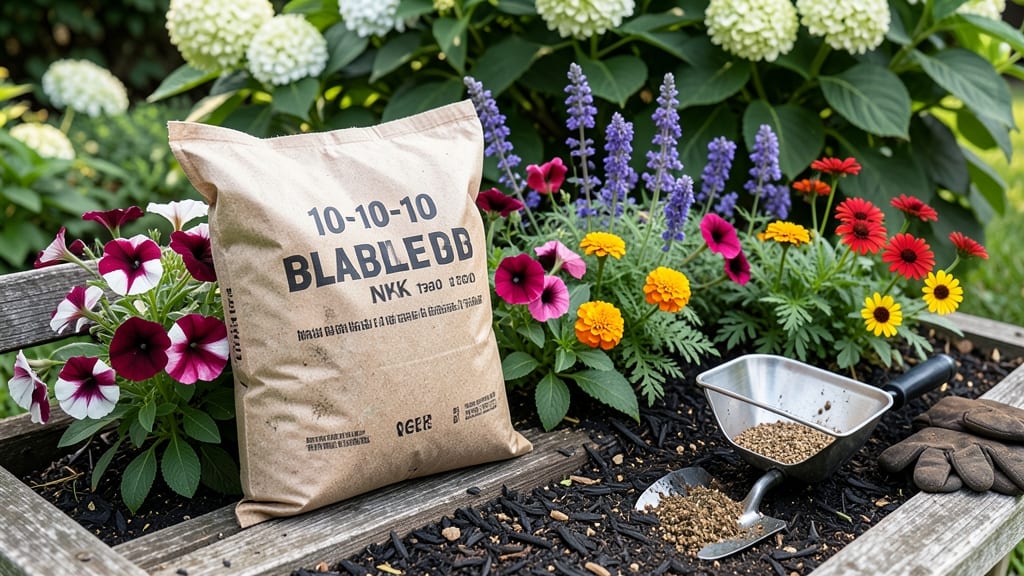
Understanding NPK ratios for maximum outdoor flower blooms
When your outdoor flowering plants look more like sad stalks than showstopping displays, the culprit is often an NPK imbalance. These three numbers—nitrogen (N), phosphorus (P), and potassium (K)
But here’s the catch: too much nitrogen steals energy from flowers, while phosphorus and potassium shortages can leave your plants struggling to produce buds. Let’s break down how to get the balance right for your favorite annuals, perennials, and bulbs. Nitrogen is the growth gremlin—it fuels leafy foliage but can delay blooming if overused. Phosphorus, on the other hand, is the bloom booster, helping roots absorb energy for flowers. Potassium acts as the stress shield, keeping plants resilient against disease and heat. For most flowering plants, a balanced 10-10-10 or 5-10-15 NPK ratio is a great starting point, but bulbs like tulips and daffodils often need a higher phosphorus kick (e.g., 10-20-10) to encourage those early spring blooms. For annuals like petunias, a 10-10-10 ratio keeps them blooming all season, but if you notice small, sparse flowers, switch to a 12-12-17 to boost potassium and heat tolerance. Perennials like roses thrive on 5-10-15—the extra phosphorus builds strong roots, while potassium keeps them disease-resistant. Meanwhile, bulbs like tulips need a high-phosphorus fertilizer (like 10-20-10) in fall to store energy for next year’s blooms. Timing your NPK applications is just as critical as the ratios themselves. Feed annuals every 4-6 weeks during their blooming season (spring to fall), but reduce frequency in peak summer heat to avoid burning roots. For perennials, apply a balanced fertilizer in early spring and a phosphorus-heavy feed in late summer to prep for next year. Bulbs get their NPK boost in fall, when they’re storing nutrients for spring blooms. Micronutrients like magnesium and iron also play a role—yellowing leaves often signal a magnesium deficiency, while pale new growth may mean your plants need iron. A chelated iron supplement or Epsom salt (magnesium sulfate) can work wonders. But here’s the golden rule: never fertilize stressed plants. If your flowers are wilting or diseased, hold off on feeding and focus on watering and pruning first. Pro tip: Slow-release fertilizers (like osmocote) are a game-changer for outdoor flowering plants. They provide a steady stream of nutrients without the risk of over-fertilizing, which can burn roots or attract pests. For organic gardeners, composted manure or bone meal (high in phosphorus) are excellent natural alternatives. Just remember: less is more—it’s easier to add fertilizer than to fix an overfed plant! If you’re still seeing fewer blooms than leaves, your plants might be nitrogen-happy. Switch to a low-nitrogen, high-phosphorus fertilizer (like 3-6-6) and watch the flowers come. And for container-grown flowers, use a water-soluble fertilizer every 2 weeks during the growing season—just dilute it to half-strength to avoid root damage. Ready to transform your garden? Start with a soil test to check
Plant Type
Ideal NPK Ratio
Why It Works
Best For
Annuals (e.g., Petunias, Marigolds)
10-10-10 or 12-12-17
Balanced growth + blooms; higher K for heat tolerance
Containers, borders, mass planting
Perennials (e.g., Roses, Lavender)
5-10-15 or 7-9-5
Phosphorus for root strength; moderate K for disease resistance
Garden beds, perennial borders
Bulbs (e.g., Tulips, Daffodils)
10-20-10 or 12-40-12
High P for bulb development; low N to avoid leafy growth
Spring gardens, forced indoor blooms
Vegetable-Flower Hybrids (e.g., Nasturtiums)
5-10-10
Moderate P for edible blooms; balanced K for pest resistance
Kitchen gardens, companion planting
Shade-Loving Flowers (e.g., Impatiens)
12-12-17
Higher K for stress from lower light
Woodland gardens, patio containers
Best fertilizer types for outdoor flowering plants by growth stage
Your flowering plants don’t just need fertilizer—they need the right fertilizer at the right time. Like a child growing from a toddler to a teenager, their nutrient needs shift dramatically. Too much nitrogen early on?
You’ll get lush leaves but no blooms. Skip phosphorus during bud formation? Your flowers will stay small and weak. Let’s break down the stage-specific strategies that’ll turn your garden into a nonstop floral show.
Most gardeners make the mistake of using a one-size-fits-all approach, but flowering plants have three distinct phases—each with unique fertilizer requirements.
Seedlings need gentle, nitrogen-rich food to build roots; vegetative growth demands a balanced NPK ratio for sturdy stems; and blooming phases crave phosphorus and potassium to produce vibrant flowers. Switching fertilizers at the wrong time can leave your plants struggling or even dead.
For seedlings, I swear by a gentle fish emulsion (5-5-5) applied at planting. It’s packed with nitrogen to kickstart root growth without overwhelming tiny plants. Pro tip: Mix it into the soil rather than top-dressing—this prevents burn and ensures even distribution.
If you’re using synthetic, a water-soluble starter fertilizer works wonders when diluted to half-strength.
When your plants hit the vegetative growth stage, switch to a balanced 10-10-10 formula. This is where most gardeners go wrong—they keep pushing nitrogen, thinking it’ll make bigger plants. But too much N delays blooming.
Instead, I recommend alternating between granular fertilizers (like Osmocote) and compost tea for a steady nutrient supply. Apply it in the morning to avoid nighttime moisture stress.
Finally, during the blooming phase, phosphorus becomes your best friend. A 5-10-5 or 7-9-5 ratio ensures your plants produce larger, more frequent blooms. For organic gardeners, bone meal is a game-changer—sprinkle it around the base before bud formation.
Synthetic options like Miracle-Gro Bloom Booster are great for quick results, but always follow label instructions to avoid over-application. The key is consistency: feed every 3-4 weeks once buds appear.
Don’t forget to transition gradually between stages. If you’re switching from a high-nitrogen fertilizer to a bloom booster, taper off the old one 2 weeks before introducing the new.
This prevents nutrient shock and keeps your plants thriving. And always water deeply after fertilizing to move nutrients into the root zone—this simple step can double your success rate.
🌸