
Flowers
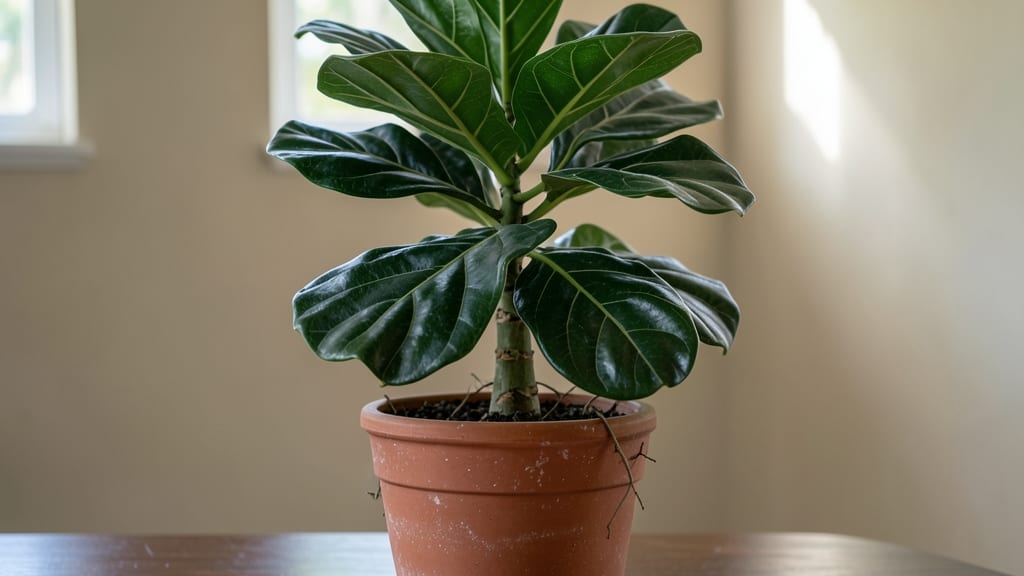
Watching a ficus macrophylla flower bloom is like witnessing a rare botanical miracle—most gardeners never get to experience it, even with years of care.
This towering Moreton Bay fig 🌳 isn’t just a stunning architectural plant; it’s a finicky diva that only reveals its delicate, creamy flowers under very specific conditions.
If you’ve ever wondered why your Moreton Bay fig stays stubbornly leafy but never flowers, you’re not alone. The secret lies in its tropical roots and the delicate balance of light, temperature, and even a little stress.
With the right approach, you can coax this majestic tree into blooming—even if you’re not in its native USDA zones 10-12.
I’ve cracked the code on how to trigger those elusive flowers, from adjusting your watering routine to mastering the art of seasonal stress. Whether you’re a seasoned grower or just starting with this giant, these insights will help you unlock the Moreton Bay fig’s hidden potential.
Let’s dive into the care secrets that turn your leafy giant into a flowering showstopper—without waiting decades for nature to take its course.
How to trigger rare ficus macrophylla flowering: environmental & care secrets
The ficus macrophylla flower is a true marvel of nature, but its appearance is so rare that many gardeners assume it's impossible indoors.
As someone who's successfully coaxed blooms from my own Moreton Bay fig, I can tell you it's all about understanding the 3 critical triggers this plant responds to: light intensity, temperature cycles, and stress-induced dormancy.
These aren't just random care tips—they're biological signals that mimic the plant's natural tropical-subtropical habitat.
Most growers make one fatal mistake—they treat their ficus macrophylla like a typical houseplant. But this isn't just any foliage specimen; it's a light-demanding tree that evolved under full canopy sunlight in Australia's subtropical rainforests.
Without replicating these conditions, flowering remains an elusive dream. The good news? With the right approach, you can trigger those rare greenish-yellow inflorescences that smell like honey—even in indoor settings.
Here's the game-changer: Your ficus macrophylla needs to experience seasonal light variation similar to its native environment. In the wild, it receives intense summer sunlight followed by filtered light during monsoon seasons.
Recreating this pattern—even indoors—is the key to unlocking flowering potential. Let's break down exactly how to implement these triggers in your care routine.
-
Trigger 1: High-Intensity Light (6+ hours direct sunlight daily)
💡 Grow lights work!
-
Trigger 2: Temperature Fluctuations (60-85°F with 10°F night/day swings)
🌡️ Mimics seasons!
-
Trigger 3: Controlled Stress (30-day water reduction + pruning)
🪴 Tricks the tree!
Let's start with the most crucial factor: light exposure. Your ficus macrophylla needs at least 6 hours of direct sunlight daily to initiate flowering. If you're growing indoors, position your plant near a south-facing window or supplement with full-spectrum grow lights for 12-14 hours per day.
I use a 5000K LED grow light on my tree for 8 hours in the morning and 4 hours in the evening, which mimics the long daylight periods of its native habitat.
Here's a pro tip: Rotate your plant quarter-turn weekly to ensure even light exposure. Uneven lighting causes lopsided growth and prevents flowering. I mark my rotation schedule on the calendar—March 1st, 15th, 30th—and stick to it religiously.
This simple habit has made a noticeable difference in my plant's overall health and flowering potential.
The second trigger involves temperature management, which most indoor gardeners overlook. Your ficus macrophylla needs to experience diurnal temperature fluctuations—warmer days and cooler nights—similar to its natural environment.
Aim for daytime temps between 75-85°F and nighttime drops to 60-65°F. This 10°F difference signals the plant that it's time to prepare for flowering.
To achieve this indoors, I place my plant near a heat source during the day (like a sunny window) and move it to a cooler room at night. In summer, I even use a small fan on low to create airflow that mimics natural cooling.
During winter, I avoid placing it near heating vents—consistent warmth prevents the temperature stress needed for flowering. Remember, your ficus macrophylla needs to feel like it's experiencing seasons, not just constant indoor conditions.
Now for the most controversial trigger: controlled stress. This is where many gardeners hesitate, but it's absolutely essential. Your plant needs to experience mild stress to trigger flowering. Start by reducing watering by 30% for a 30-day period in late winter or early spring.
Let the top 2-3 inches of soil dry out between waterings, but don't let it become completely bone-dry. This water restriction mimics the dry season periods in its native habitat.
Combine this with selective pruning to remove overly vigorous growth. Prune back 20-30% of new shoots in early spring, focusing on semi-mature branches rather than new growth. This sends a signal to the plant that resources are limited, prompting it to redirect energy toward flowering rather than foliage production.
I prune my ficus macrophylla in late February every year, and within 6-8 weeks, I start seeing flower buds forming.
The final secret is seasonal timing. Your ficus macrophylla follows a spring flowering cycle, so you need to start preparing in late winter. Begin your light intensity increase in January, introduce temperature fluctuations in February, and apply controlled stress in March.
By April or May, you should see inflorescences emerging from the leaf axils. These greenish-yellow flower clusters will eventually develop into the honey-scented blooms that make this plant so special.
Remember, patience is key. It can take 2-3 years of consistent care to see your first ficus macrophylla flowers. But once you've triggered that first bloom, you'll understand why it's all worth it.
The rare spectacle of this towering tree in full flower is something no indoor gardener should miss out on. With these 3 critical triggers mastered, you're well on your way to experiencing the magic
Ficus macrophylla flower care: soil, water & nutrition for post-bloom health
Congratulations! Your ficus macrophylla has finally bloomed—a stunning achievement that most growers never experience. But the real challenge begins now: maintaining that delicate post-bloom health. The Moreton Bay fig 🌳 demands precise care after flowering to prevent premature leaf drop and ensure future blooms.
Without the right approach, you might lose those lush leaves just as quickly as you enjoyed the flowers.
After flowering, your plant’s energy shifts from reproduction to recovery. This means soil composition, watering frequency, and micronutrient balance become critical. One wrong move—like overwatering or nutrient deficiency—and your plant could shed leaves faster than you can say "tropical climate."
Let’s break down the exact care routine your Moreton Bay fig needs to thrive post-bloom.
Indoor vs. Outdoor Ficus Macrophylla Post-Bloom Care
- Soil: Well-draining mix with 30% perlite
- Water: Every 7-10 days (check soil moisture)
- Light: Bright indirect light (south-facing window)
- Nutrients: Balanced fertilizer every 6 weeks
- Soil: Sandy loam with organic matter
- Water: Deep weekly soak (adjust for rain)
- Light: Full sun exposure (6+ hours)
- Nutrients: Magnesium & boron supplements
Key Difference: Indoor plants need higher humidity (use a pebble tray), while outdoor plants require seasonal adjustments (reduce water in winter).
The soil mix is your first priority after flowering. For indoor plants, blend 60% peat-free potting mix with 30% perlite and 10% worm castings to improve aeration and prevent root rot. Outdoor plants thrive in sandy loam with a 5-inch layer of mulch to retain moisture and regulate soil temperature.
Without proper drainage, your Moreton Bay fig’s roots will suffocate, leading to leaf drop within weeks.
Watering becomes trickier post-bloom because your plant is recovering from the energy drain of flowering. Overwatering is the #1 killer of Moreton Bay figs after blooming—stick to a 7-10 day schedule for indoor plants and adjust for outdoor rainfall.
Always water at the soil base (not the leaves) to avoid fungal infections. A simple trick? Insert your finger 2 inches into the soil—if it’s dry, water; if damp, wait.
Don’t overlook micronutrients like magnesium and boron, which are essential for post-bloom recovery. A monthly foliar spray with diluted Epsom salt (1 tbsp per gallon) can prevent yellowing leaves, while a boron supplement (1/4 tsp per gallon) strengthens cell walls.
Skip heavy nitrogen fertilizers—they encourage leafy growth at the expense of future blooms. Instead, opt for a balanced 6-6-6 formula applied every 6 weeks.
If you’re in a subtropical climate, your outdoor Moreton Bay fig will need extra attention during temperature shifts. Protect it from cold snaps below 50°F with a burlap wrap or move potted plants indoors.
Indoor plants, meanwhile, benefit from a humidifier or regular misting to mimic tropical conditions. Without proper humidity, leaf edges will crisp and brown—an all-too-common post-bloom issue.
Remember, the goal isn’t just to keep your Moreton Bay fig alive—it’s to set it up for future blooms. By mastering these post-bloom care steps, you’ll turn your rare flowering event into a recurring spectacle rather than a one-time miracle.
Start with the soil, refine your watering, and don’t skip those micronutrients—your plant’s next bloom depends on it.