
Pruning
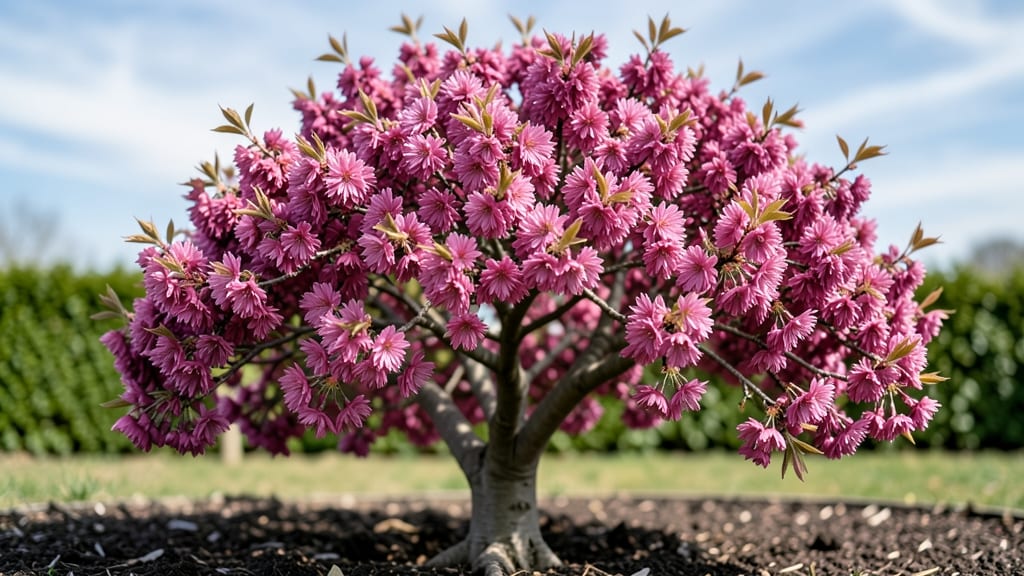
If you’ve ever marveled at a Flowering Cherry Tree in full bloom, you might wonder: how long can you enjoy those stunning spring displays based on its lifespan? The answer isn’t just about time—it’s about the care you provide, the climate you’re in, and even the variety you choose.
These trees can live for decades, with some varieties thriving well past 50 years under ideal conditions. But premature decline happens when key factors—like pruning mistakes, disease, or poor soil—go unchecked.
The good news? With the right strategies, you can help your tree stay vibrant for as long as possible.
In this guide, I’ll break down what to expect from different varieties, how to spot signs of aging, and the proven care tips that extend their lifespan.
Whether you’re a first-time gardener or a seasoned enthusiast, these insights will help you nurture a tree that keeps gracing your landscape with color year after year.
Ready to learn how to maximize those show-stopping blooms? Let’s dive into the secrets of a long, healthy life for your Flowering Cherry Tree.
Flowering cherry tree lifespan by variety: how long each type blooms
Flowering cherry trees are prized for their stunning spring blooms, but their lifespan varies dramatically depending on the variety and growing conditions. Some varieties like the Yoshino cherry can live for 50-100 years with proper care, while others may decline after just 20-30 years.
Understanding these differences helps you set realistic expectations for your ornamental landscape investment.
The average lifespan of a flowering cherry tree also depends on your USDA hardiness zone. In colder regions (Zones 5-6), trees like the Autumn Brilliance may struggle past 30 years without protection from late frosts.
Meanwhile, in milder climates (Zones 7-9), varieties like Kwanzan cherry often thrive well into their 5th decade.
Below is a detailed breakdown of popular varieties, their expected bloom duration, and when natural decline typically begins. This guide will help you choose the right tree for your climate and care capacity.
| Variety | Average Lifespan | Peak Bloom Age | Natural Decline Begins | Bloom Duration | Climate Notes |
|---|---|---|---|---|---|
| Yoshino (Prunus x yedoensis) | 50-100 years | 10-15 years | 40-60 years | 7-10 days | Thrives in Zones 5-8; needs well-draining soil |
| Kwanzan (Prunus serrulata 'Kwanzan') | 40-60 years | 8-12 years | 30-45 years | 10-14 days | Zones 5-9; prefers slightly acidic soil |
| Autumn Brilliance (Prunus serrulata 'Autumn Brilliance') | 25-40 years | 6-10 years | 20-30 years | 14-21 days | Zones 4-8; cold-hardy with fall color |
| Somei-Yoshino (Prunus x yedoensis 'Somei-Yoshino') | 40-70 years | 10-15 years | 35-50 years | 7-10 days | Zones 5-8; needs cross-pollination for best blooms |
| Hokusai (Prunus serrulata 'Hokusai') | 30-50 years | 7-10 years | 25-35 years | 10-12 days | Zones 6-9; drought-tolerant once established |
The Yoshino cherry is often considered the longest-lived variety, with some specimens in Japan exceeding 100 years. Its 7-10 day bloom period makes it a favorite for early spring color, but it requires well-draining soil to avoid root rot, which can shorten its lifespan significantly.
If you're in a colder climate (Zones 4-5), the Autumn Brilliance is a hardy choice with fall foliage color that extends its ornamental
Signs of aging in flowering cherry trees: when to expect reduced blooms
As your flowering cherry tree matures, subtle changes in its appearance can signal natural aging—or they might indicate reversible stress from poor care. The key difference lies in whether the decline happens gradually over decades or accelerates due to disease, improper pruning, or nutrient deficiencies.
For example, a 20-year-old Yoshino cherry might start showing sparse blooms, but this could also stem from over-pruning or compacted soil.
Natural aging typically begins after 30-40 years, when the tree’s energy shifts from producing vibrant blooms to maintaining its structure.
However, if you notice yellowing leaves in summer or dead branches appearing suddenly, these could be warning signs of fungal infections like powdery mildew or bacterial canker, which are often treatable with proper care.
Natural Aging vs. Reversible Stress in Flowering Cherry Trees
- Gradual decline after 30-50 years
- Reduced bloom quantity over time
- Thinner canopy from natural dieback
- Slower growth rate
- Sudden leaf discoloration or drop
- Cankers or oozing sap on branches
- Poor bloom production due to poor pruning
- Root issues from compacted soil
One of the first visual cues of aging is leaf discoloration, particularly if older leaves turn yellow or brown before falling. This often occurs in late summer or early fall, but if it happens outside these seasons, it may signal nutrient deficiencies or pests.
For instance, magnesium deficiency causes yellowing between leaf veins, while aphids can distort new growth.
Another red flag is branch dieback, where sections of the tree’s structure appear dead or hollow. While some dieback is normal as the tree ages, excessive loss—especially in multiple branches—could indicate vascular diseases like silver leaf disease.
Always inspect the cambium layer (the green layer under bark) to check for signs of infection before assuming it’s natural aging.
To extend your tree’s vitality, focus on proper pruning and soil health. Prune in late winter to remove dead or crossing branches, and always use sterilized tools to prevent disease spread.
For soil, test its pH (ideal range: 5.5-6.5) and amend with organic matter like compost to improve drainage and nutrient availability.
Even aging trees can benefit from targeted fertilization in early spring, using a balanced 10-10-10 formula to support both blooms and structural health. Pair this with deep watering (1-2 inches per week) to encourage root growth.
With these adjustments, you can often revive reduced blooms and delay the natural decline by 10-15 years.
Remember, the goal isn’t to stop aging entirely—but to slow its effects so you can enjoy those springtime blooms for as long as possible. By staying vigilant and acting early, your flowering cherry tree can remain a stunning focal point in your landscape for decades to come. 🌸