
Shrubs
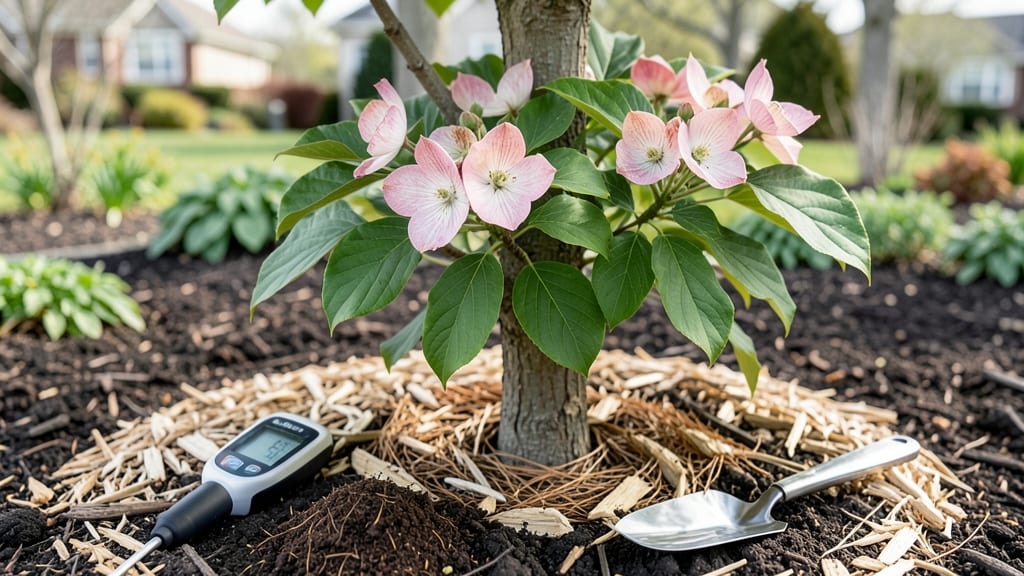
Mastering the flowering dogwood soil requirements is the secret to unlocking those breathtaking spring blooms—because even the most stunning trees need the right foundation beneath their roots.
These elegant trees thrive when their roots sink into the perfect mix of nutrients, pH balance, and drainage, but get it wrong, and you’ll end up with weak growth or no flowers at all.
Most gardeners overlook how critical soil conditions are for dogwoods, assuming they’re low-maintenance. But here’s the truth: acidic, well-draining soil with just the right organic matter is the foundation for vibrant blooms and disease resistance.
I’ll break down exactly what your dogwood needs—from pH levels to amendments—and how to fix common mistakes that kill flowering potential.
If your dogwood has been underperforming, the answer might be right under your feet. We’ll cover how to test your soil, adjust its composition, and keep it healthy year-round so your tree can put on its best show every spring. Let’s get started!
Whether you’re planting a new dogwood or reviving an existing one, these soil secrets will make all the difference. Ready to transform your tree’s health? The first step is understanding what’s already growing beneath it.
Flowering dogwood soil pH requirements: the ideal range for vibrant blooms
If your flowering dogwood (Cornus florida) is struggling to produce those iconic spring blooms, the culprit might be your soil pH. These stunning trees thrive in acidic to slightly acidic soil, with an ideal range of 4.5 to 6.0.
When the pH strays outside this window—whether too high or too low—your dogwood may suffer from poor nutrient uptake, stunted growth, or even leaf yellowing. Understanding how to test and adjust your soil is the first step toward unlocking those vibrant blooms year after year.
I’ve seen firsthand how a simple pH adjustment can transform a struggling dogwood into a showstopper in my own garden. The key is consistent monitoring and targeted amendments, whether you need to lower pH with elemental sulfur or raise it with pelletized lime.
Let’s break down the exact steps to get your soil in the perfect range for your dogwood’s health and flowering potential.
| Soil Condition | pH Range | Ideal Amendments | Signs of Issue |
|---|---|---|---|
| Acidic Soil | 4.5–5.5 | None (or add peat moss) | Dark, healthy foliage; vibrant blooms |
| Slightly Acidic | 5.6–6.0 | None (or minor sulfur if needed) | Strong growth; occasional blooms |
| Neutral Soil | 6.1–7.0 | Elemental sulfur (1 lb/100 sq ft) | Yellowing leaves; poor blooming |
| Alkaline Soil | 7.1+ | Pelletized lime (avoid; use sulfur instead) | Chlorotic (yellow) leaves; stunted growth |
Before you panic and reach for the amendments, grab a soil pH test kit (digital or liquid test strips work well). These are affordable and give you precise readings in minutes.
I recommend testing your soil in early spring, just as your dogwood begins to wake up from dormancy. Dig a 6-inch-deep hole near the tree’s drip line, collect a sample, and follow the kit instructions. If your reading falls outside the 4.5–6.0 range, it’s time to act.
For alkaline soil (pH 7.1+), the fix is elemental sulfur. This organic amendment slowly lowers pH over time. Sprinkle 1 pound per 100 square feet around the tree’s root zone, then water deeply to activate it.
Re-test your soil in 3–4 months—you may need to repeat the process if the pH hasn’t shifted enough. Never use lime on dogwoods; it will push the pH even higher and stress the tree.
If your soil is too acidic (below 4.5), you’ll need to raise the pH slightly. While dogwoods tolerate acidity well, extreme conditions can lock out essential nutrients like phosphorus and calcium.
To gently adjust, mix in composted pine bark or wood ash (sparingly!) around the base. Avoid overdoing it—small changes are safer. Re-test after 2–3 months to monitor progress.
One mistake I’ve seen gardeners make is over-amending too quickly. Dogwoods are sensitive to sudden pH shifts, which can cause root burn or nutrient shock. Always adjust pH gradually, aiming for a 0.5–1.0 point change per season.
Pair your amendments with a 2–3 inch layer of mulch (like pine straw or shredded bark) to help maintain moisture and stabilize the soil environment.
Beyond pH, pay attention to your dogwood’s drainage. These trees hate soggy roots, so if your soil is clay-heavy, mix in organic matter like compost or coconut coir to improve aeration.
A well-draining, slightly acidic soil with the right amendments will give your dogwood the perfect foundation for lush foliage and stunning blooms every spring.
Remember, patience is key. Soil adjustments take time, but with consistent care, your flowering dogwood will reward you with showy bracts and healthy growth. Next time you’re admiring those pink or white blossoms, you’ll know the secret was in the soil all along.
Best soil mix for dogwood trees: drainage, texture & nutrient balance
Creating the perfect soil mix for your flowering dogwood is all about balance—your tree needs soil that drains well but retains enough moisture to support those stunning spring blooms.
The ideal blend is a loamy texture with organic matter to feed roots while preventing waterlogged conditions that can suffocate roots and invite disease.
Dogwoods thrive in soil that mimics their natural woodland habitat: well-draining yet moisture-retentive. Heavy clay soils compact easily, while pure sand drains too quickly. The solution?
A custom soil mix that combines native soil with organic amendments like compost or pine bark fines to achieve the perfect sandy loam consistency.
| Soil Component | Ratio | Purpose |
|---|---|---|
| Native soil | 50% | Provides mineral structure |
| Compost | 30% | Boosts nutrients and water retention |
| Pine bark fines | 20% | Improves drainage and aeration |
For clay-heavy soils, mix in 2-3 inches of coarse sand or perlite to break up compaction. If your soil is naturally sandy, add peat moss or coconut coir to help retain moisture.
Always test your soil’s drainage by digging a hole, filling it with water, and timing how long it takes to drain—ideal drainage should take 4-6 hours.
Incorporate 2-3 inches of organic mulch (like shredded bark or pine straw) around the base of your dogwood to lock in moisture, regulate soil temperature, and slowly release nutrients as it breaks down.
Avoid piling mulch against the trunk, as this can cause rot—keep it 3-4 inches away from the stem.
Freshly planted dogwoods benefit from a slow-release fertilizer mixed into the soil at planting time. Use a balanced 10-10-10 NPK blend to provide steady nutrients without overwhelming young roots. Reapply in early spring and after flowering to support new growth and blooms.
Monitor your soil’s health annually by checking for compaction or nutrient depletion. If your dogwood’s leaves turn yellow or growth stalls, it may need a boost of compost or a soil test to adjust pH or nutrient levels.
With the right soil mix, your dogwood will reward you with vibrant blooms and lush foliage for decades.