
Blooming
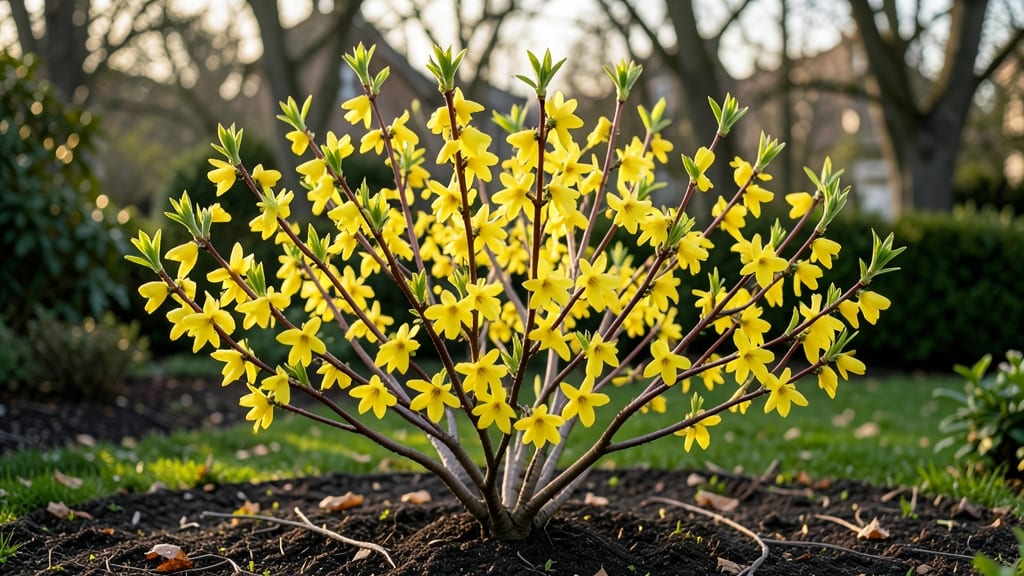
When the forsythia flowering time can make the difference between a show-stopping spring display and a disappointing wait, timing isn’t random—it’s tied to your local climate, planting choices, and even how you prune.
For gardeners in Zone 6a and beyond, knowing these patterns means you can plan companion plants, schedule maintenance, and even nudge your shrub to burst into color 1-2 weeks earlier.
Most gardeners expect those bright yellow clusters in early spring, but the truth is more nuanced. A mild winter might trigger blooms as early as late February, while colder regions could see them arrive in April.
The key lies in understanding how your specific zone—and even microclimates in your yard—affect the 🌸 forsythia flowering time. Once you grasp these factors, you’ll never miss the chance to create a vibrant spring entrance.
What if your forsythia isn’t following the schedule? Over-fertilizing, improper pruning, or last winter’s freeze could be the culprits. I’ll show you how to troubleshoot these issues and keep your shrub on track for reliable blooms.
Plus, learn which planting companions and seasonal care tricks can extend that cheerful display—so you’ll have more time to enjoy the show before summer takes over.
Ready to predict your forsythia’s bloom window with confidence? Let’s break down the science behind timing, zone-by-zone expectations, and the simple adjustments that make all the difference. Your garden’s spring highlight is closer than you think!
Forsythia flowering time by USDA hardiness zone: exact months to expect blooms
Forsythia is one of the first shrubs to burst into color each spring, but the exact flowering window depends heavily on your USDA hardiness zone.
In colder zones like Zone 4, blooms often appear in late April, while gardeners in Zone 9 may see them as early as February. These timing differences occur because forsythia blooms on old wood, meaning last year's growth determines this year's flowers.
Understanding your zone’s average bloom dates helps you time garden tasks—like pruning after flowering or planning companion plants. Mild winters can shift blooms 2-4 weeks earlier, while harsh winters may delay them slightly.
Let’s break down the start, peak, and end of forsythia season by zone to help you predict your shrub’s spring performance.
🌱 Key Insight: Forsythia blooms before leaves fully emerge, making it a reliable early spring indicator for gardeners. This timing also means it often outshines many spring bulbs, creating a stunning visual contrast in your landscape.
| USDA Zone | Avg. Bloom Start | Peak Bloom | Avg. Bloom End | Climate Notes |
|---|---|---|---|---|
| Zone 4 | Late April | Early May | Mid-May | Cold winters delay blooms; early springs may shift start to early April. |
| Zone 5 | Early April | Mid-April | Late April | Moderate winters; blooms often coincide with daffodils. |
| Zone 6 | Mid-March | Late March | Early April | Mild winters can push start to February; heatwaves may shorten bloom time. |
| Zone 7 | Late February | Early March | Mid-March | Early blooms; prune immediately after flowering to avoid missed blooms next year. |
| Zone 8 | Early February | Mid-February | Late February | Warm winters may result in multiple bloom cycles or weaker flowers. |
| Zone 9 | Late January | Early February | Mid-February | Blooms often overlap with camellias; may rebloom if pruned lightly. |
If you live in Zone 4 or 5, your forsythia’s late April peak makes it perfect for extending your garden’s color before summer perennials take over.
In contrast, Zone 8 and 9 gardeners enjoy blooms so early that forsythia often steals the show before wisteria or magnolias even wake up.
Microclimates play a huge role in these timelines. A south-facing wall can warm your forsythia enough to bloom 1-2 weeks earlier than the zone average. Similarly, urban areas with heat islands may see forsythia push its blooms forward by 10-14 days compared to rural counterparts in the same zone.
For gardeners in Zone 6 and 7, timing is critical because these zones often experience unpredictable late frosts. If your forsythia blooms in late March but a frost hits, the flowers may suffer.
Planting near a windbreak or evergreen hedge can protect buds and extend the bloom window by 3-5 days.
One common misconception is that young forsythia plants bloom later than mature ones. While young shrubs (under 3 years old) may have fewer flowers, they typically bloom at the same time as established plants. The key difference is flower quantity, not timing.
To maximize your forsythia’s bloom potential, avoid heavy pruning in late winter, as this removes next year’s flower buds. Instead, prune right after blooming to shape the shrub without sacrificing spring color. This simple adjustment can extend your forsythia’s bloom window by up to 10 days.
🌿 Pro Tip: If your forsythia blooms too late for your taste, try planting a dwarf variety like ‘Little Miss’ or ‘Spring Glory’, which often bloom 1-2 weeks earlier than standard types due to their compact growth habit.
How to adjust forsythia planting time for perfect spring blooms
Timing your forsythia planting correctly is the secret to unlocking those bright yellow blooms right when you want them. In Zone 6a, for example, planting too early can expose roots to winter cold, while waiting too long might delay next year’s flowers.
The key is matching your planting method—bare-root or potted—to your local frost dates and microclimate. For gardeners in warmer zones (7-9), you can push planting into late fall for an earlier spring show, while colder regions should wait until early spring.
Microclimates play a surprisingly big role in forsythia flowering time. A south-facing wall or windbreak can warm the soil by 5-10°F, triggering blooms 1-2 weeks earlier than the average for your zone. Even a gravel path nearby can create a heat pocket that speeds up growth.
I’ve seen forsythias planted against brick walls bloom in late February in Zone 6, while identical shrubs in open beds waited until mid-April.
- Plant bare-root forsythia in dormant season (late fall to early spring) for stronger root establishment before blooming.
- Choose potted forsythia in early spring (after last frost) to avoid transplant shock before flowering.
- Prune immediately after blooming to reset growth cycles and encourage earlier next-year flowers.
- Use south-facing walls or windbreaks to create microclimates that warm soil by 5-10°F for 1-2 week earlier blooms.
- Avoid fall pruning, which removes next year’s flower buds and delays blooming.
Your pruning strategy is just as critical as planting time. Forsythias set their flower buds in late summer, so pruning at the wrong time can mean no blooms next spring. Always prune right after flowering—never in fall.
I once had a forsythia that didn’t bloom for two years because I pruned it in October. The lesson? Wait until the yellow flowers fade before reaching for your shears.
For gardeners in Zone 4 or colder, consider planting dwarf varieties like ‘Little Gold Star’—they bloom slightly earlier and handle cold better. These varieties also respond well to mulching in winter, which protects roots and encourages earlier spring growth.
In warmer zones (8-9), you can push the envelope by planting in late fall (November) for blooms as early as January.
Don’t overlook the power of companion planting to extend your forsythia’s show. Pair it with early-blooming bulbs like daffodils or crocuses to create a layered spring display. The bulbs will bloom first, then the forsythia takes center stage.
This trick works especially well in microclimates with early warming, giving you a 3-4 week extended flowering window.
Remember, the goal isn’t just to get blooms—it’s to get them when you want them. By combining the right planting time, pruning schedule, and microclimate tricks, you can turn your forsythia into the garden’s star performer every spring.
Start with these adjustments this year, and you’ll never miss a beat again! 🌸