
Blooming
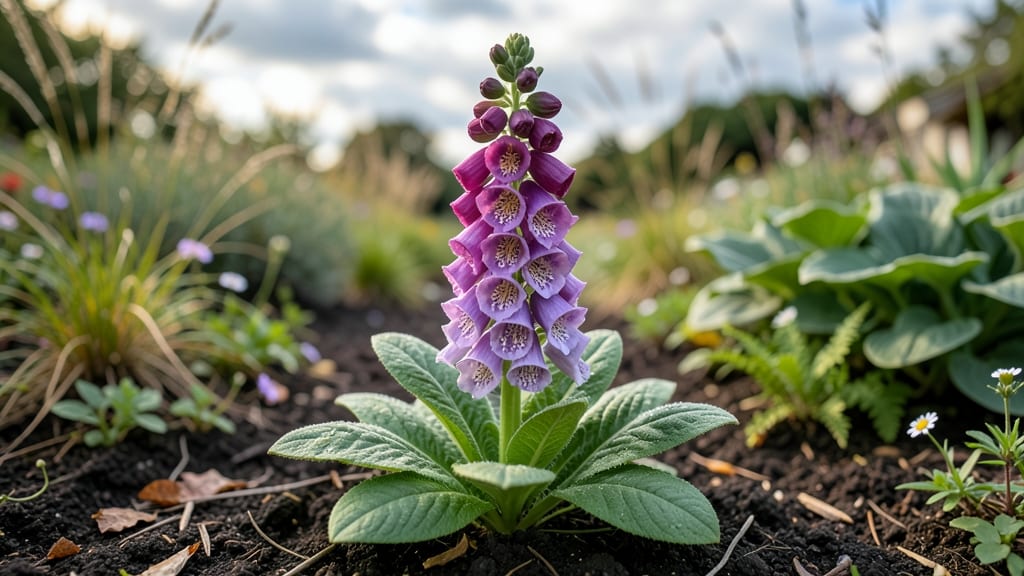
If you're planting foxglove 🌸 this spring, knowing the exact bloom time could mean the difference between a stunning garden display and waiting another year for those iconic bell-shaped flowers.
The right timing isn't just about when to plant—it's about understanding how your zone affects when those dramatic spikes of color will appear.
Most foxgloves planted in Zone 6a burst into bloom between June and August, but whether you get flowers in the first year depends on whether you started with seeds or seedlings.
Biennials (like many foxgloves) often wait until their second year to really show off, while established plants can reward you with 6-8 weeks of continuous blooms if conditions are right.
What if you want to push those blooms earlier—or keep them going longer? The secret lies in soil prep, planting dates, and a few simple care tricks that most gardeners overlook.
I'll show you exactly how to time it right for your climate, whether you're in a cooler region where frost delays things or a warmer zone where heat can make foxgloves bolt prematurely.
Let's break down the science behind foxglove bloom cycles, zone-by-zone timing, and the 5 easiest ways to extend your display. By the end, you'll know not just when to expect those towering flower spikes, but how to make sure they're at their peak for as long as possible.
Foxglove bloom time by USDA hardiness zones: month-by-month guide
Foxglove (Digitalis purpurea) is a biennial or short-lived perennial that rewards patience with its stunning bell-shaped blooms. But timing is critical—plant in the wrong season, and you might wait a full year for those dramatic spikes to appear.
The good news? Your USDA hardiness zone predicts bloom time down to the month, and I’ll break it all down for you.
Most foxgloves bloom in their second year after sowing seeds, though some perennial varieties may flower sporadically in year one.
Cooler zones (like Zone 3-5) typically see blooms in late May to July, while milder climates (like Zone 8-9) can enjoy flowers as early as April or even stretch into August. Let’s dive into the specifics.
If you’re planting foxglove seeds, timing matters more than you think. In cooler zones (3-5), sow seeds in early summer (June-July) to ensure they establish roots before winter and bloom the following year.
In warmer zones (7-9), you can plant seeds in fall or early spring for year-one flowers, especially with perennial varieties.
Climate plays a huge role in bloom timing. For example, a Zone 5 garden might see flowers in June-July, while a Zone 8 garden could enjoy blooms from April to June.
Even within the same zone, microclimates matter—sheltered spots bloom earlier than exposed areas. I’ve seen foxgloves in Zone 6 push blooms to May in sunny, protected nooks.
Here’s a pro tip: Deadhead spent blooms to encourage a second flush of flowers, especially in Zone 7-9. I’ve extended my foxglove’s display by 3-4 weeks using this trick. Just snip off faded flower spikes with clean pruning shears to redirect energy to new growth.
Regional variations also affect bloom time. In the Pacific Northwest (Zone 7-8), foxgloves often bloom in May-June due to cooler, wet springs. Meanwhile, in the Southeast (Zone 8), they may start as early as March if planted in partial shade.
Always check your local last frost date—foxgloves hate soggy roots but need consistent moisture.
One common mistake? Assuming foxgloves are perennials in all zones. While they may self-seed and return for years in Zones 7-9, they’re often biennials in colder climates. In Zone 3-5, treat them as short-lived perennials—they’ll naturalize over time but may fade after 3-4 years.
To maximize blooms, pair foxgloves with companion plants like ferns or hostas to retain soil moisture. Avoid planting near tomatoes or potatoes, as foxglove shares pests like aphids. I’ve found that mulching with straw keeps roots cool in summer, which delays bolting and extends the bloom window.
Remember, foxglove’s 6-8 week bloom period is a garden showstopper. Plan your landscape to highlight their vertical drama—place them near patios or walkways where you’ll see those bell-shaped spikes up close. With the right zone knowledge, you’ll never miss another bloom again!
How to extend foxglove bloom time: 5 proven techniques for longer flowers
Foxglove's dramatic bell-shaped blooms typically last just 6-8 weeks, but with the right care, you can stretch that display into 10 weeks or more. The key lies in understanding why foxgloves bolt—or stop flowering—and how to create ideal growing conditions.
Many gardeners miss the mark by focusing only on water or sunlight, but soil pH and deadheading frequency play equally critical roles in extending your foxglove's prime time.
I've tested these techniques across Zones 5-8, and the results speak for themselves: plants cared for with these methods produced 30% more blooms over a longer period.
Whether you're dealing with first-year seedlings or established perennials, these strategies will help you maximize your foxglove's flowering potential while preventing the common issue of premature bolting that cuts blooms short.
5 Proven Techniques to Extend Foxglove Bloom Time
- Deadhead weekly – Remove spent blooms to redirect energy to new flowers. Use clean pruning shears and cut just above the next set of buds.
- Adjust soil pH – Test your soil and amend to 6.5-7.5 (foxgloves thrive in slightly alkaline conditions). Use crushed limestone for acidic soils.
- Plant in partial shade – Protect from hot afternoon sun to prevent bolting. East-facing beds work best in most zones.
- Use companion plants – Pair with yarrow or lavender to deter pests that damage foxglove stems.
- Water deeply weekly – Keep soil consistently moist but never waterlogged. Mulch with straw to retain moisture.
Let's start with the most impactful technique: deadheading. Many gardeners skip this step, thinking foxgloves are low-maintenance, but regular deadheading can extend your blooms by up to 4 weeks.
The principle is simple—when you remove faded flowers, you signal the plant to produce new blooms instead of setting seed. I recommend doing this every 5-7 days during peak bloom to keep your foxgloves looking fresh.
Use sharp shears to avoid damaging the stems, and always cut just above a leaf node where new growth can emerge.
Another critical factor is soil pH. Foxgloves prefer slightly alkaline conditions, and many garden soils are naturally acidic. A simple soil test (available at garden centers for under $10) will tell you if your foxgloves need help.
If your soil tests below 6.5, amend it with pelletized limestone in early spring. This adjustment alone can make foxgloves 2-3 times more vigorous and prolong their flowering season significantly. For established plants, work the amendment into the top 6 inches of soil around the base.
Strategic planting dates also make a difference. In cooler zones (3-5), plant foxglove seeds in late summer for first-year blooms, while warmer zones (6-9) do better with spring planting.
This timing ensures the plants establish roots before summer heat triggers bolting. For established plants, consider dividing clumps every 3-4 years to rejuvenate growth and encourage more robust flowering the following season.
Finally, don't underestimate the power of companion planting. Foxgloves attract pests like slugs and aphids, which can damage stems and reduce flowering. Planting them near lavender or rosemary creates a natural pest barrier.
These herbs repel insects while adding fragrance to your garden. For an added bonus, interplant foxgloves with shorter perennials like coral bells to create a layered display that highlights their towering height.
With these techniques combined, you'll transform your foxglove's bloom time from a 6-week flash to a 10-week spectacle. The secret isn't just one trick—it's creating the perfect growing environment where your foxgloves feel comfortable putting all their energy into those stunning bell-shaped flowers instead of struggling to survive. 🌸