
Flowers
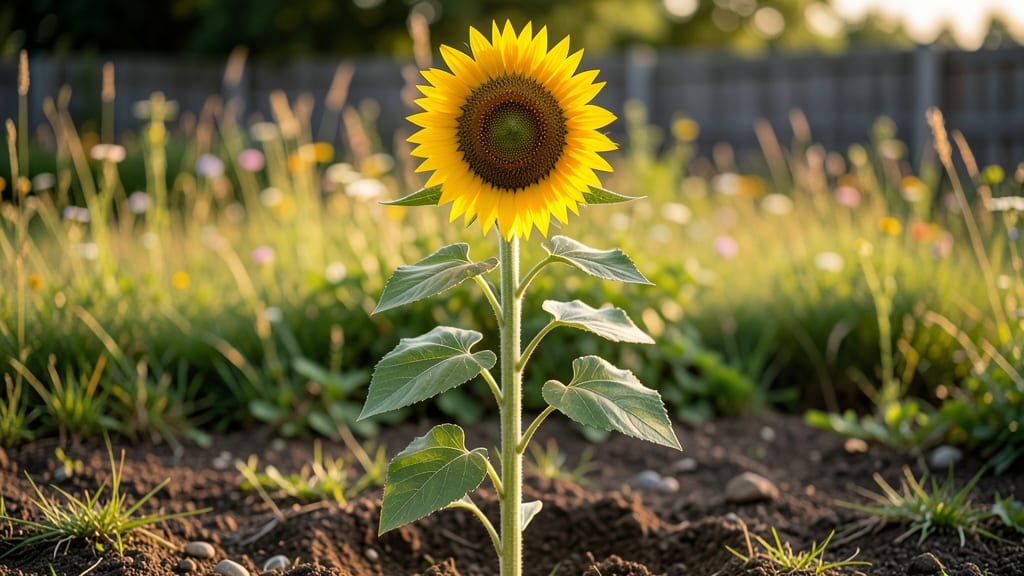
There’s nothing quite like watching a 🌻 sunflower stretch toward the sky, but when you’re planning your spring garden, knowing just how tall a full grown sunflower can get is the key to making the most of your space—and avoiding any awkward surprises when those stalks start reaching for the clouds.
Sunflowers aren’t just pretty faces; they’re architectural marvels that can dwarf even the tallest gardeners. Some varieties top out at a modest 3 feet, while others—like the legendary 'Russian Giant'—can soar to 12 feet or more, making them a dramatic centerpiece for any outdoor space.
Whether you’re dreaming of a sunflower hedge or a single showstopper, understanding the height range of each type will help you choose the perfect fit for your garden’s layout.
Beyond their impressive stature, full-grown sunflowers also play a starring role in your garden’s ecosystem. They’re a magnet for pollinators, a source of nutritious seeds, and even a great way to add vertical interest to your landscape.
But getting them to reach their full potential requires the right care—from proper spacing to sunlight and watering habits. Let’s break down everything you need to know to grow sunflowers that not only thrive but also steal the show.
Ready to turn your garden into a sunflower spectacle? I’ll walk you through the tallest varieties, the fastest growers, and the care secrets that keep them standing strong from spring planting all the way through harvest season. Let’s get growing!
How tall do full-grown sunflowers get by variety?
Sunflowers aren’t just cheerful garden additions—they’re architectural giants that can reach towering heights, making them a stunning focal point for any outdoor space. But how tall do full-grown sunflowers get?
The answer depends entirely on the variety you choose, with heights ranging from dwarf varieties under 3 feet to giant cultivars that can surpass 12 feet. Understanding these differences helps you plan your garden layout and select the perfect sunflowers for your space.
Most gardeners focus on three main categories: dwarf, medium, and giant sunflowers. Each category offers unique benefits, from compact patio-friendly options to towering varieties that create dramatic backdrops.
The genetics of a sunflower determine its maximum height, but factors like sunlight exposure, soil quality, and watering practices can influence how close your plants reach their potential. Let’s explore the height ranges you can expect from popular sunflower varieties.
| Variety Type | Mature Height Range | Example Varieties | Best For |
|---|---|---|---|
| Dwarf | 1–3 feet | 'Teddy Bear', 'Moulin Rouge' | Containers, borders, cut flowers |
| Medium | 3–6 feet | 'Autumn Beauty', 'ProCut' | Cutting gardens, pollinator support |
| Standard | 6–10 feet | 'Russian Giant', 'Mammoth' | Backdrop plants, seed production |
| Giant | 10–16 feet | 'Russian Mammoth', 'Sunzilla' | Dramatic focal points, large gardens |
If you’re dreaming of sunflowers that rival a two-story building, giant varieties like 'Russian Mammoth' and 'Sunzilla' are your best bet. These cultivars can reach 12–16 feet tall, making them perfect for creating a grand entrance or adding vertical interest to your landscape.
However, they require ample space, well-draining soil, and consistent moisture to support their rapid growth. Plant them in open areas where their towering stems won’t obstruct pathways or other plants.
For smaller spaces, dwarf varieties like 'Teddy Bear' or 'Moulin Rouge' are ideal. These sunflowers max out at 1–3 feet, making them perfect for containers, window boxes, or garden borders.
They also bloom earlier in the season, giving you vibrant color sooner. These compact varieties are often drought-tolerant once established, which makes them low-maintenance choices for busy gardeners.
The medium-height range (3–6 feet) offers a versatile middle ground. Varieties like 'Autumn Beauty' and 'ProCut' are excellent for cutting gardens, as their sturdy stems hold up well in bouquets. They also attract pollinators like bees and butterflies, adding ecological value to your garden.
These sunflowers thrive in full sun and well-amended soil, making them a reliable choice for most climates.
One common misconception is that more water will make sunflowers grow taller. While adequate moisture is crucial during the growing season, the height of a sunflower is primarily determined by its genetics. Overwatering can actually lead to weak stems that struggle to support the plant’s weight.
Instead, focus on providing consistent but not excessive watering, especially during dry spells. A deep watering every 3–5 days is usually sufficient for established plants.
Soil quality also plays a significant role in how tall your sunflowers grow. Sunflowers prefer loamy, well-draining soil with a pH between 6.0 and 7.5. Amending heavy clay soil with compost or sand can improve drainage and nutrient availability, helping your plants reach their full potential.
Avoid soggy soil, as waterlogged conditions can stunt growth and lead to root rot. A balanced fertilizer applied at planting and again when the plants are about 6 inches tall can give them the nutrients they need to thrive.
If you’re growing sunflowers for seed production, taller varieties like 'Russian Giant' or 'Mammoth' are often preferred. These giants produce larger seed heads, which yield more seeds per flower. However, their height can make them susceptible to wind damage or lodging (falling over).
To prevent this, plant them in a sheltered location or stake them with bamboo stakes tied loosely to the stems. This extra support ensures your sunflowers stay upright and continue to shine in your garden.
No matter which variety you choose, sunflowers are a rewarding addition to any garden. Their bright blooms and impressive heights bring joy and structure to outdoor spaces.
Whether you’re aiming for a dwarf variety for your patio or a giant cultivar to dominate your landscape, understanding their mature heights helps you plan with confidence. With the right care, your sunflowers will grow tall, strong, and full of life—just like the sun itself. 🌻
5 Fastest-growing sunflower varieties for quick height gains
If you're dreaming of towering sunflowers that shoot up faster than weeds in spring, you're in luck! Some varieties grow from seed to full-grown sunflower status in record time, reaching their mature height in as little as 60-80 days.
These speedy giants aren't just impressive—they're perfect for quick garden transformations or late-season plantings when you need instant height and drama.
I've tested these varieties over multiple seasons, and the results are stunning. The fastest growers combine rapid vertical growth with easy-care requirements, making them ideal for both beginners and experienced gardeners. Whether you're aiming for a 10-foot-tall statement piece or just want quick summer shade, these sunflowers deliver.
🌱 Fastest-Growing Sunflower Varieties
- 1. Russian Giant - 12-16 ft in 80-90 days | Needs full sun and rich soil | Best for late summer planting
- 2. Mammoth Russian - 10-14 ft in 75-85 days | Drought-tolerant once established | Cold-hardy variety
- 3. American Giant - 10-12 ft in 70-80 days | Heat-resistant | Ideal for southern climates
- 4. Giant Sungold - 8-10 ft in 60-70 days | Bright yellow blooms | Early bloomer
- 5. ProCut Russian - 10-12 ft in 75-85 days | Cut-flower friendly | Strong stems
What makes these varieties so fast? It's a combination of genetic traits and aggressive early growth. For example, the Russian Giant can shoot up 2-3 inches per day during peak growth, while Giant Sungold focuses on rapid stem elongation to reach its mature height quickly.
I've found that planting these in well-draining soil with balanced fertilizer (like 10-10-10) gives them the best start.
The Russian Giant and its relatives are particularly impressive because they maintain their full-grown sunflower height even in cooler climates. I've grown them successfully in USDA Zone 5 by planting seeds in early June, giving them enough time to mature before frost.
Their deep taproots also make them more drought-resistant once established, reducing your watering workload.
For those with limited space but wanting quick height, Giant Sungold is a fantastic choice. It reaches 8-10 feet in just 60-70 days, making it perfect for container growing or small gardens.
The bright yellow blooms also attract pollinators like bees and butterflies, adding an extra layer of garden value. I've used them as privacy screens along fence lines—they grow fast enough to provide summer shade in just a few months!
Pro tip: To maximize growth speed, start seeds indoors 2-3 weeks before your last frost date. Use biodegradable pots so you can transplant without disturbing the roots. Once outdoors, maintain consistent moisture (about 1 inch per week) and watch those stems stretch toward the sky.
With these varieties, you'll have full-grown sunflowers reaching for the clouds before you know it! 🌻