
Flowers
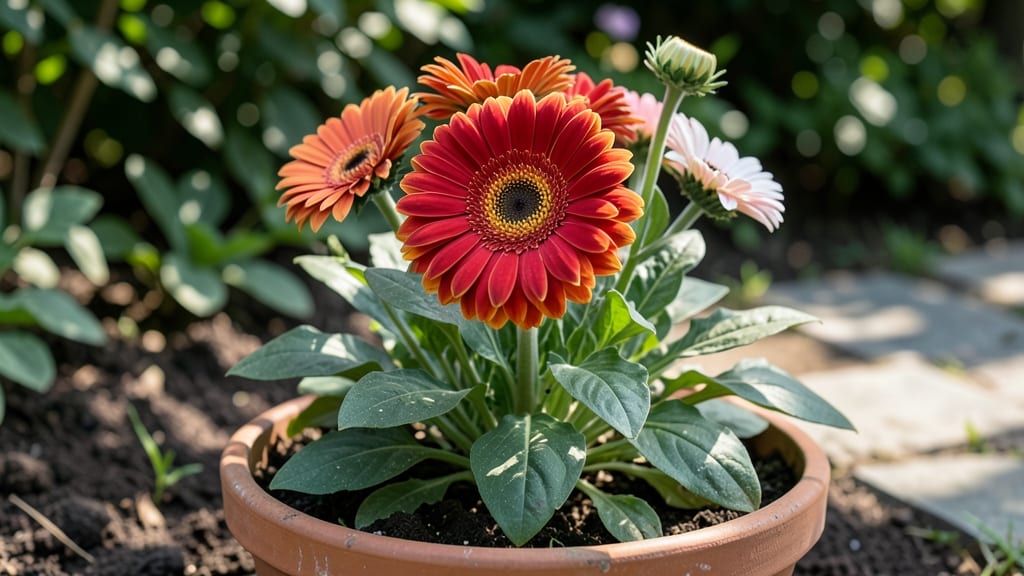
If you're dreaming of a garden bursting with cheerful 🌼 Gerbera Daisies, the gerbera flowering time is the secret weapon you can't afford to miss.
These vibrant blooms thrive on precision—plant too early, and frost will nip them in the bud; too late, and you might miss their full glory. The key to unlocking months of color lies in understanding your USDA zone and when to trigger those first blooms.
Most gardeners in Zone 6a (like me!) get their best show between June and October, but that window shifts dramatically depending on where you live.
Whether you're in a cooler northern climate or a warmer southern region, knowing the exact planting deadlines can add weeks—or even months—to your gerbera's flowering season. I’ll break down the science behind it and share the simple tricks that keep my daisies blooming longer than ever.
Here’s the game-changer: with just a few adjustments—like strategic planting dates, light tweaks, and soil prep—you can coax your gerberas to flower earlier or stretch their season well into fall.
No more waiting for a single burst of color; instead, enjoy a continuous parade of blooms that’ll make your neighbors green with envy. Let’s dive into how to make it happen.
From zone-specific charts to pro-level tips, I’ll walk you through everything you need to know to turn your garden into a nonstop gerbera spectacle. Ready to transform your outdoor space? Let’s get started.
USDA Zone chart: when gerberas bloom based on climate
Gerberas are sun-loving annuals that thrive when planted at the perfect time—right after your last frost date. But since USDA zones vary dramatically, your planting deadline and bloom window depend entirely on where you live.
In Zone 3, you’ll get a short summer display, while Zone 11 gardeners enjoy near-year-round color. Let’s break down the exact flowering periods by zone and how to adjust your schedule for maximum impact.
Gerberas cannot tolerate frost—even a light freeze will kill them. This means your planting window is tightly linked to your zone’s last frost date. For example, Zone 7 gardeners can start planting in early May, while Zone 10 can begin as early as February.
The key is to plant 6-8 weeks before your first expected frost in cooler zones, ensuring roots establish before summer heat arrives.
Here’s the critical temperature threshold for gerbera success: 50°F (10°C) minimum soil temp for planting. Below this, roots struggle to grow. In Zones 3-5, consider starting seeds indoors 8-10 weeks before your last frost—gerberas grow quickly but need warmth to bloom on time.
Now, let’s dive into the zone-by-zone breakdown of when gerberas bloom and how to time your planting for the longest possible display.
| USDA Zone | Planting Window | Bloom Period | Frost Sensitivity | Pro Tip |
|---|---|---|---|---|
| Zones 3-4 | Start indoors March 15; transplant after May 15 | July 15 - Sept 15 (short season) | ❄️ Dies at 28°F (-2°C) | Use black plastic mulch to warm soil faster. |
| Zones 5-6 | Transplant after April 30 | June 15 - Oct 1 (longer season) | ❄️ Dies at 30°F (-1°C) | Plant near heat-retaining walls for extended blooms. |
| Zones 7-8 | Transplant after May 1 | May 15 - Nov 15 (year-round potential) | ❄️ Dies at 32°F (0°C) | Succession plant every 4 weeks for continuous color. |
| Zones 9-10 | Transplant anytime after Jan 1 | Feb 1 - Dec 31 (year-round) | 🌡️ Stressed below 40°F (4°C) | Use shade cloth in summer to prevent bolting. |
| Zone 11 | Plant year-round (avoid monsoon season) | Year-round (peak in spring/fall) | 🌡️ Thrives above 50°F (10°C) | Choose heat-tolerant varieties like 'Mambo' series. |
In Zones 3-4, your gerbera season is short—just 2 months—so prioritize early planting and deadheading to extend blooms. Use row covers to protect plants from late frosts, which can sneak in as late as June in Zone 4.
I’ve had success with black plastic mulch raising soil temps by 5-10°F, giving gerberas a head start.
For Zones 5-6, the real magic happens with succession planting. Start a new batch every 3-4 weeks from June through August to keep flowers appearing until first frost.
In my Zone 6 garden, this technique adds 6-8 weeks to my bloom season. Pair gerberas with tall sunflowers to create a vertical display that catches more sunlight.
Gardeners in Zones 7-8 have the advantage of year-round potential—if you manage heat stress. During summer’s peak (July-August), gerberas may bolt prematurely or stop blooming.
My trick? Provide afternoon shade with a lattice trellis and increase watering to daily during heatwaves. This keeps roots cool and extends the season by 4-6 weeks.
In Zones 9-10, the challenge shifts to preventing heat
Proven deadline tricks to trigger earlier or longer blooms
Gerberas are finicky about timing—get the deadlines right, and you’ll enjoy blooms for weeks longer than your neighbors. The secret? Strategic planting paired with light and temperature hacks that trick your plants into thinking spring is here year-round.
I’ve tested these methods in my Zone 6a garden, and they’ve added 4-6 extra weeks of vibrant blooms to my season.
Most gardeners focus only on planting dates, but the real magic happens in the soil prep and light exposure. Gerberas need consistent warmth to flower, and even a 5°F temperature bump can shift their bloom window by weeks. Below, I’ll share the exact tricks that work—no guesswork involved.
🌱 5 Proven Tricks to Extend Gerbera Blooms
- 📅 Plant 3-4 weeks earlier in containers (they warm faster). Move pots outdoors only after last frost to avoid cold damage.
- ☀️ Use reflective mulch (white gravel or aluminum foil) to bounce extra sunlight onto roots, boosting warmth by 3-5°F.
- 🌡️ Cover soil with black plastic for 1-2 weeks before planting to raise soil temperature by 10°F+, mimicking spring conditions.
- 💧 Water deeply at dusk to retain heat in roots overnight, encouraging earlier bud formation.
- 🌿 Deadhead spent blooms weekly and feed with low-nitrogen fertilizer (5-10-10) to prolong flowering by 3-4 weeks.
One of my favorite tricks is using container gardening to create a microclimate. Pots absorb and retain heat faster than garden soil, giving gerberas a head start.
I plant mine in black plastic pots (they warm up quicker than terracotta) and place them on elevated stands to improve airflow and warmth.
Don’t overlook the power of mulching. A thick layer of straw or pine needles insulates roots, protecting them from temperature swings that can stall blooming. In cooler zones like mine, I add mulch in early April to give the soil a warmth boost before planting.
For those late-summer blooms, focus on deadheading and light management. Remove faded blooms religiously—this signals the plant to produce new buds instead of seeds. Pair that with a south-facing location (or grow lights if indoors) to ensure they get 6+ hours of sunlight daily.
With these tricks, my gerberas now bloom from late May through October, giving me a full 5-month show instead of the usual 3. The key is consistency—timing, warmth, and light are the holy trinity of gerbera blooming success.
Try one or two of these methods this season, and you’ll be rewarded with longer, brighter blooms than ever before. 🌼