
Vegetables
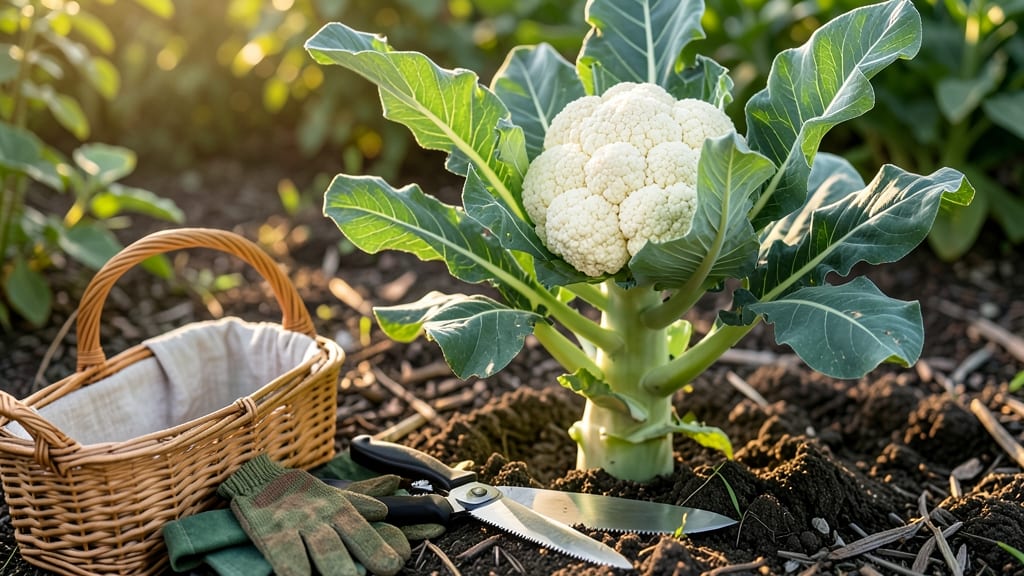
Timing your harvest time for cauliflower wrong can turn that perfect head of 🥬 into a tough, bitter disappointment—so let’s get this right. Whether you’re a seasoned gardener or just starting, knowing when to pick makes all the difference between a crisp, flavorful harvest and one that’s past its prime.
The secret isn’t just counting days—it’s watching for those telltale signs: firm heads, tightly wrapped leaves, and a color that’s vibrant, not fading. I’ll break down exactly what to look for, plus how weather and variety play into your harvest window.
From spring plantings in Zone 6a to fall crops, we’ll cover the ideal timing for your region and how to extend your harvest season. Ready to turn your garden into a cauliflower powerhouse? Let’s dive in.
You’ll learn how to spot the perfect moment, avoid common mistakes, and even coax extra harvests from your plants. No more guesswork—just a foolproof guide to harvesting cauliflower at its peak.

Exact harvest timeline for cauliflower by variety (with planting stages)
Timing is everything when growing cauliflower, and knowing the exact harvest window for your specific variety ensures you get those perfect, crisp curds instead of bitter, overgrown heads.
Each cauliflower type has a unique days-to-maturity range, so let's break down the planting and harvest schedules for the most popular varieties I've grown in my garden.
Cauliflower plants typically take 60-100 days to reach harvest, but this varies dramatically between varieties. For example, Snowball varieties mature faster than heirloom types like Romanesco, which develop their stunning fractal patterns over a longer growing season.
Understanding these timelines helps you plan for succession planting and maximize your harvest.
Here's a quick reference for the most common varieties, including their transplant timing, head formation, and ideal harvest windows. These timelines assume you're starting with transplants (not direct sowing), which is the most common method for home gardeners.
| Variety | Days to Maturity | Transplant Timing | Head Formation | Harvest Window | Best For |
|---|---|---|---|---|---|
| Snowball Y Improved | 60-70 days | 4-6 weeks before last frost | 45-55 days after transplant | Early summer/fall | Quick harvests, containers |
| Purple of Sicily | 70-80 days | 4-6 weeks before last frost | 50-60 days after transplant | Mid-summer/fall | Heat tolerance, ornamental |
| Romanesco | 80-100 days | 6-8 weeks before last frost | 60-70 days after transplant | Late summer/fall | Unique appearance, slow growers |
| Graffiti | 65-75 days | 4-6 weeks before last frost | 45-55 days after transplant | Early summer/fall | Colorful curds, compact |
| Cheddar | 75-85 days | 6 weeks before last frost | 55-65 days after transplant | Mid-summer/fall | Orange curds, heat tolerant |
| Violetto | 70-80 days | 4-6 weeks before last frost | 50-60 days after transplant | Late summer/fall | Purple heads, cold hardy |
For spring harvests, I always plant my Snowball Y Improved and Graffiti varieties 4-6 weeks before the last frost date in my zone (around early March). These fast-maturing types give me heads ready by early June, just in time for summer meals.
The key is starting transplants early enough so they form heads before the summer heat sets in.
If you're aiming for a fall harvest, timing becomes even more critical. I plant my Romanesco and Violetto varieties in late July to early August, giving them 80-100 days to mature before the first frost.
These varieties need that longer growing season to develop their distinctive heads, and I always use row covers to extend the season by 2-3 weeks if needed.
Pro tip: Use a planting calendar to track your cauliflower's progress. Mark the day you transplant, then count forward using the head formation timeline for your variety. When you reach the harvest window, start checking your plants daily for readiness—those curds won't wait forever!
Remember that temperature extremes can affect maturity. If your summer is particularly hot, your cauliflower might bolt before forming heads. Conversely, cool fall weather can slow growth, pushing back your harvest. Adjust your expectations based on your local climate patterns.
How to tell when cauliflower is ready to harvest (visual & tactile cues)
Harvesting cauliflower at the right moment transforms your garden into a flavorful feast. But how do you know when that 6-8 inch head is truly ready? It’s not just about counting days—it’s about recognizing the visual and tactile cues that signal peak ripeness.
I’ve learned the hard way that waiting too long turns crisp curds into tough, bitter disappointment, while picking too early means missing out on full flavor.
Start by examining the head size and shape. A perfectly ripe cauliflower should be firm, compact, and about the size of a baseball or slightly larger. The curds should feel solid to the touch, almost like a tightly packed ball of cotton.
If you press gently and the head feels spongy or hollow, it’s past its prime. Pay attention to the outer leaves too—they should wrap snugly around the head, staying vibrant green without any yellowing or browning.
Color is another key indicator. While most cauliflower varieties aim for a creamy white hue, some like Purple of Sicily or Romanesco develop stunning purples or greenish-yellow tones. Whatever the variety, the curds should be uniformly colored, not streaked or fading.
If you notice yellowing or brown spots on the head, that’s your plant’s way of saying, “I’ve been sitting here too long!”
⚠️ Don’t Wait Too Long!
Overripe cauliflower heads split open, exposing the core to pests and turning bitter. Harvest within 2-3 days of noticing these signs to avoid waste:
- 🟡 Yellowing leaves = Head is overmature
- 🔴 Brown spots = Curds are breaking down
- 🌬️ Loose curds = Flavor is fading fast
Pro Tip: Check your plants every 2-3 days during peak harvest season to catch the perfect moment.
Texture plays a crucial role too. Run your fingers over the head—it should feel smooth and dense, like a well-packed snowball. If the curds feel rough or grainy, that’s a sign of dryness or overgrowth.
Another trick? Gently twist the head—it should come away cleanly with a slight resistance, not wilt or tear. If the stem snaps easily, the head isn’t ready yet.
Weather and variety also influence timing. In hotter months, cauliflower may mature faster, while cooler fall weather can slow growth. For example, Snowball varieties typically take 70-80 days to harvest, while Romanesco might need 85-100 days.
Always adjust your expectations based on your local climate and the specific seeds you’re growing. If you’re unsure, err on the side of harvesting a day early—you can always leave a few heads to mature further.
One common mistake I see is ignoring the leaves. The outer leaves aren’t just for show—they protect the head from sun exposure, which can cause greening or bitterness.
If the leaves start to yellow or brown, it’s a clear sign the head is ready to pick, even if it hasn’t reached your target size. Conversely, overly large leaves can shade the head too much, leading to poor development.
Finally, don’t forget to harvest early in the day when temperatures are cooler. This preserves the head’s crispness and makes it easier to handle. Use a sharp knife to cut the stem about 1 inch below the head, leaving the base intact for potential side shoots.
With these cues in mind, you’ll never miss the perfect harvest time for cauliflower again—just crisp, flavorful, and ready for your table! 🥬