
Flowers
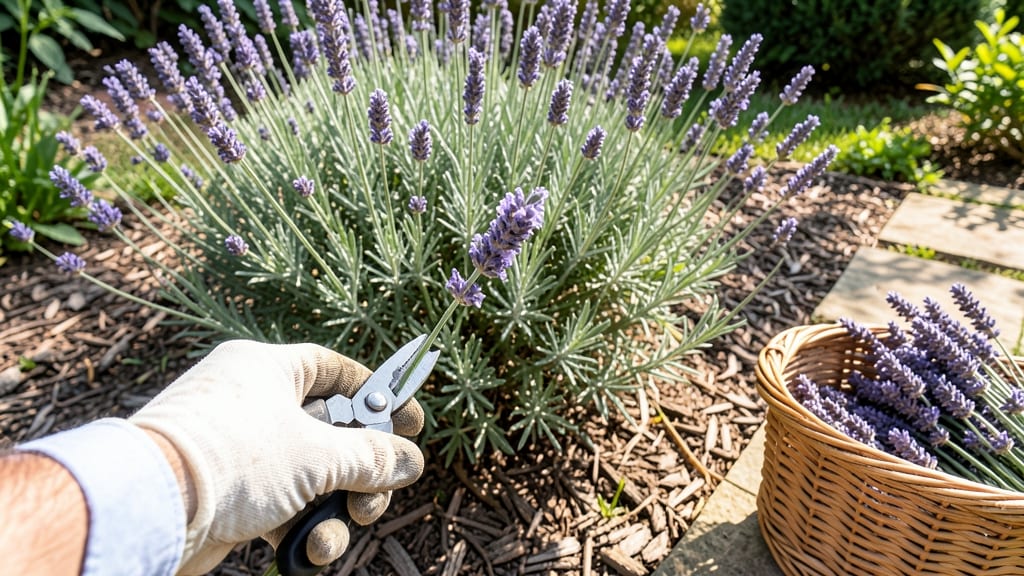
Harvesting lavender flowers at the wrong time can turn your fragrant garden into a disappointment—those delicate buds lose their signature scent and oil potency if you miss the perfect moment. The key to preserving lavender’s signature aroma lies in timing, tools, and techniques that most gardeners overlook.
I’ve spent years perfecting my lavender harvests, and what I’ve learned will help you avoid common mistakes that ruin quality. Whether you’re drying stems for sachets or using them in culinary creations, knowing when to cut—mid-summer when buds are just opening—makes all the difference.
In this guide, I’ll walk you through the exact tools you’ll need, the best cutting methods, and how to care for your lavender afterward. By the end, you’ll be harvesting like a pro, ensuring your lavender’s full potential shines through every bouquet or potpourri.
Ready to transform your garden into a fragrant haven? Let’s dive into the secrets of harvesting lavender flowers the right way.


When to harvest lavender for maximum fragrance and oil content
Timing is everything when harvesting lavender flowers. The difference between peak fragrance and weak, fading scent lies in cutting at the right bud stage and seasonal window.
I’ve learned that harvesting too early or too late can reduce essential oil content by up to 50%, turning your fragrant garden into a disappointment.
For the best results, aim to harvest when one-third of the buds have opened. This ensures maximum volatile oils and scent production. The ideal time is mid-summer, typically between July and August, when the plant’s energy is fully focused on flowering.
Missing this window means weaker fragrance and lower oil yields.
Climate plays a crucial role too. In cooler regions (USDA Zones 5-7), harvest earlier—around late June to early July. Meanwhile, in warmer climates (Zones 8-10), you can extend harvesting into early September. Always check your local frost dates to avoid harvesting too close to winter dormancy.
🌸 Lavender Harvesting Guide by Stage & Season
| Stage | Season | Key Features | Best For |
|---|---|---|---|
| Bud Stage (1/3 Open) | Mid-Summer (July-August) | Woody stems, vibrant buds, morning dew | Essential oil extraction, drying |
| Early Bloom | Late Summer (August-September) | Fully colored, partially open flowers | Bouquets, potpourri |
| Late Bloom | Fall (September-October) | Fully open, fading scent | Avoid—low oil content |
| Winter Dormancy | November-March | No blooms, dry stems | Prune only—no harvest |
💡 Pro Tip: Harvest on a dry, sunny morning after morning dew has evaporated for the best scent retention.
Morning is the best time to harvest lavender flowers. The volatile oils are most concentrated after a cool night, and cutting before the heat of the day preserves fragrance intensity. Avoid harvesting after rain—wet flowers dry poorly and may develop mold.
Never harvest lavender when the buds are fully open. At this stage, the essential oil content drops significantly, and the scent becomes weak. I once made this mistake and ended up with lavender that smelled almost odorless—a costly lesson!
If you’re in a dry climate, like the Mediterranean or Southwest U.S., you can harvest lavender twice a season: once in early summer and again in early fall. In humid climates, stick to one harvest in mid-summer to avoid fungal issues.
After harvesting, trim the stems to 6-8 inches to encourage bushier growth. This pruning technique not only boosts next year’s yield but also prevents the plant from becoming woody and leggy. I always leave a few stems uncut to maintain the plant’s natural shape.
For culinary lavender, harvest younger buds—even those just beginning to open. These contain the mildest, most delicate flavors, perfect for infusing honey or baking. Save the larger buds with fully opened flowers for scented sachets or essential oil production.
One final tip: Label your harvests by date and stage. This helps track which batches yield the best fragrance and oil content. Over time, you’ll learn which conditions produce the most potent lavender in your garden.
Essential tools and techniques for stress-free lavender harvesting
Harvesting lavender flowers isn't just about timing—it's also about having the right tools and techniques to preserve that signature aroma. I've found that using the wrong equipment can crush delicate stems, while improper cutting methods can reduce oil potency.
The key is to work efficiently while protecting both the plant and your harvest.
Start with a pair of sharp, bypass pruners designed for herbs. Dull blades crush stems, releasing bitter compounds that ruin the delicate lavender scent. I always keep a small pair in my gardening toolkit, dedicated solely to lavender harvesting.
Pair these with thick gardening gloves to protect your hands from the plant's tiny hairs, which can cause skin irritation.
Next, gather breathable containers like mesh bags or open baskets for immediate transport. Plastic containers trap moisture and heat, accelerating spoilage. I use lightweight, collapsible mesh bags that allow airflow while keeping stems organized. These containers also make it easy to shake off excess debris before processing.
🌿 Lavender Harvesting Toolkit Essentials
- ✂️ Bypass Pruners - Sharp blades prevent crushing stems
- 🧤 Garden Gloves - Protects from plant hairs and thorns
- 🧺 Mesh Bags - Allows airflow during transport
- ✂️ Hand Pruners - For smaller batches
- 📏 Ruler - Ensures consistent 6-8" stem lengths
When cutting, always use a clean, downward motion at a 45-degree angle, about 1-2 inches below the flower cluster. This technique exposes more stem surface area for drying while maintaining plant health.
I never cut more than one-third of the plant in a single session to avoid stressing the lavender. Always harvest from the outer stems first, working inward to encourage bushier growth.
For post-harvest care, immediately strip leaves from the stems and bundle them in small, loose bundles of 10-15 stems each. Tie with twine or rubber bands, leaving space between bundles for airflow.
Hang these bundles in a dark, dry, well-ventilated area with temperatures between 70-80°F. I use an attic with a small fan to maintain consistent airflow, which prevents mold and preserves the essential oils.
To extend shelf life, store dried lavender in airtight glass jars away from direct sunlight. The scent intensifies over time, reaching its peak after about 6 months. I always label my jars with the harvest date and variety—this helps me track which batches maintain their fragrance longest.
With these tools and techniques, you'll transform your lavender harvest from good to exceptional.