
Size
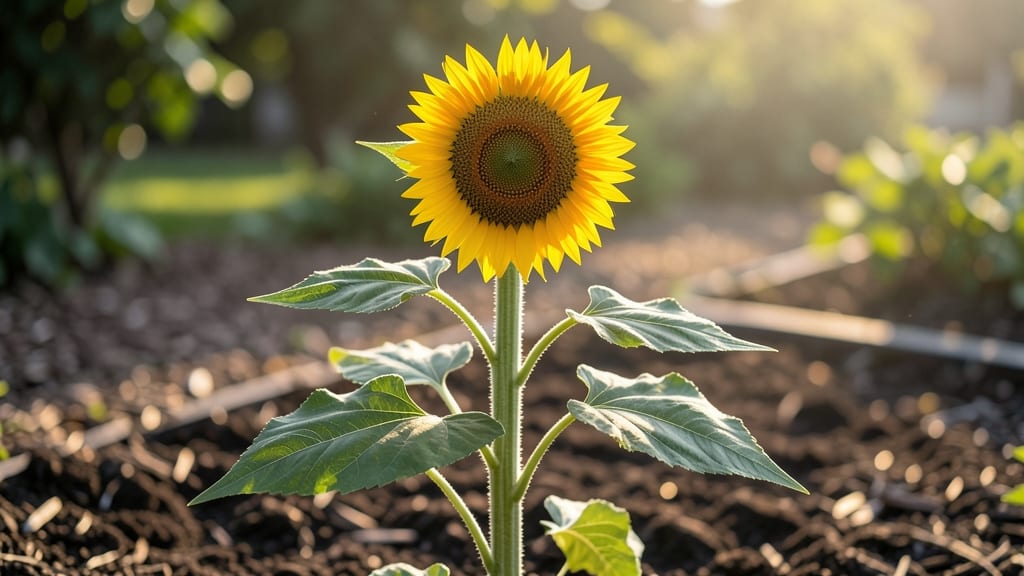
Ever wondered why your 🌻 sunflowers seem to grow at wildly different heights—some barely reaching your knees while others shoot up like skyscrapers?
The height of sunflowers isn’t just about luck; it’s a mix of genetics, growing conditions, and a few clever tricks that can turn your garden into a sunflower skyline.
If you’ve ever planted a Teddy Bear variety expecting a cute little accent and ended up with a 14-foot giant instead, you know how surprising these plants can be.
The truth is, sunflower heights range from 2 feet to over 16 feet, and understanding the difference can mean the perfect fit for your space—or a dramatic (and manageable) backyard centerpiece.
In this guide, I’ll break down the exact heights of popular varieties, from dwarf sunflowers perfect for containers to towering giants that need staking. You’ll also discover how sunlight, soil, and even watering habits can push your plants to new extremes—or keep them compact for small gardens.
Whether you’re designing a pollinator-friendly border or just want to grow the tallest sunflower on the block, these insights will help you control the height—and the chaos—of your sunflower patch. Let’s get started!

Sunflower height by variety: dwarf to giant (exact measurements)
Sunflowers come in a stunning range of heights, from compact dwarfs perfect for container gardens to skyscraper-like giants that reach 15 feet or more. The variety you choose determines not just your garden’s vertical potential, but also its sunlight needs and space requirements.
Whether you’re designing a small urban patio or a dramatic backyard border, knowing exact measurements helps you plan with precision.
Most gardeners assume sunflowers are either tall and imposing or tiny and ornamental, but the truth lies in the middle ground. There are dozens of varieties spanning 2 to 16 feet, each with unique characteristics.
For example, the 'Teddy Bear' variety stays cozy at 2-3 feet, while the 'Mammoth' variety can top 14 feet—that’s taller than a garden gate!
If you’re working with limited space, dwarf varieties like 'Teddy Bear' or 'Moulin Rouge' are ideal. These stay under 4 feet and thrive in containers or window boxes, making them perfect for balconies or patios.
Their compact stature also means they require less staking and minimal support, saving you time and materials.
For mid-height sunflowers (5–8 feet), varieties like 'Autumn Beauty' and 'Lemon Queen' strike a balance. They’re tall enough to create visual impact but not so imposing that they overwhelm smaller gardens.
These varieties also produce long-lasting blooms, perfect for cutting gardens or pollinator-friendly landscapes. Space them 2–3 feet apart to allow airflow and prevent disease spread
What determines sunflower height? 5 Key factors (and how to control them)
Sunflowers don’t grow to their full potential by accident—their height is shaped by a mix of genetics, environmental factors, and your care habits. If you’ve ever planted ‘Moulin Rouge’ expecting a 10-foot giant and ended up with a 6-footer, you’re not alone.
The good news? Understanding these five key factors lets you predict and control how tall your sunflowers will grow, whether you want a dramatic backyard focal point or a compact container plant.
For example, a ‘Teddy Bear’ sunflower might only reach 2-3 feet, but the same variety grown in rich soil with extra sunlight could stretch to 4 feet.
The difference? It’s not just luck—it’s science. Let’s break down the five biggest influences on sunflower height and how to tweak them for your garden’s needs.
- 1
- 2
- 3
- 4
- 5
Choose dwarf varieties (2-4 ft) for containers or giant types (10-16 ft) for dramatic displays. ‘Autumn Beauty’ stays compact, while ‘Russian Giant’ can top 15 feet.
Sunflowers need 6-8+ hours of direct sun daily. Partial shade stunts growth by 30-50%, while full sun maximizes height. South-facing gardens are ideal.
Rich, well-draining soil with phosphorus and potassium fuels height. Amend clay soil with compost to prevent stunted growth. A balanced 10-10-10 fertilizer applied every 4-6 weeks can add 2-4 feet to mature height.
Deep, consistent watering (1-2 inches per week) prevents height loss. Drought stress can reduce growth by up to 40%, while overwatering causes weak stems. Water at morning to reduce evaporation.
Pinch back side shoots to direct energy upward, adding 1-3 feet to height. For compact growth, prune the main stem at 12-18 inches to encourage bushier, shorter plants.
Let’s say you’re growing ‘Mammoth’ sunflowers for a backyard statement. To maximize height, start with well-amended soil and place them in the sunniest spot in your yard. Add a stake or cage early to support their weight, and water deeply twice a week.
With these adjustments, you could see heights of 14-16 feet instead of the average 10-12 feet.
On the flip side, if you’re working with a small balcony garden, opt for ‘Pocket Sun’ or ‘Little Becka’ varieties, which max out at 18-24 inches. Combine them with light pruning to keep them even shorter, and use container-specific fertilizer to prevent leggy growth.
Remember, sunflowers are fast growers, so adjustments matter most in their first 6-8 weeks. Monitor their progress and tweak your approach—whether you’re chasing height records or keeping them contained. The right balance of these factors will give you the perfect sunflower for your space. 🌻