
Blooming
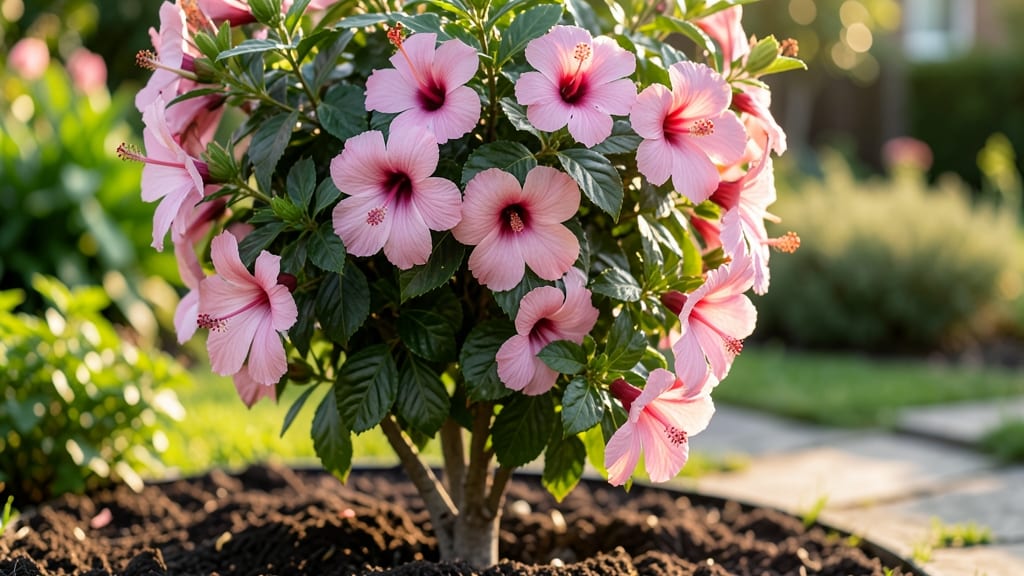
If you’ve ever waited eagerly for your hibiscus 🌸 to burst into color during the flowering season, only to be left wondering why they’re playing hard to bloom, you’re not alone.
The hibiscus flowering season isn’t set in stone—it shifts dramatically depending on your USDA zone, the variety you’ve chosen, and even how you care for them.
For gardeners in Zone 6a, where I’ve seen firsthand how hibiscus can thrive with the right timing, the magic happens between June and September. But tropical varieties in Zone 10 might bloom year-round, while hardy types in cooler climates take a seasonal break.
The key? Understanding your plant’s rhythm and giving it the perfect conditions to shine.
I’ll break down exactly when to expect those showstopping blooms, how to coax extra flowers from your hibiscus, and what to do when your plant seems stubborn about flowering.
Whether you’re dealing with a tropical giant or a cold-hardy beauty, these tips will help you turn your garden into a hibiscus paradise.
From pruning tricks to fertilizer timing, we’ll cover everything you need to know to maximize blooms—so you can finally enjoy that dreamy, continuous display of color you’ve been hoping for. Let’s get started!
Hibiscus flowering seasons by USDA Zone: what to expect where you live
Hibiscus plants are famous for their show-stopping blooms, but their flowering seasons depend heavily on your USDA zone and the type of hibiscus you grow. Tropical hibiscus (Hibiscus rosa-sinensis) thrives in warm climates, while hardy hibiscus (Hibiscus syriacus or Hibiscus moscheutos) can handle cooler temperatures.
Understanding these differences helps you plan for year-round color or seasonal bursts of beauty.
In USDA zones 9–11, tropical hibiscus can bloom year-round with proper care, while zones 7–8 see summer-to-fall blooms. Even in colder zones (6 and below), microclimates like south-facing walls or container gardening can extend blooming windows.
Let’s break down what to expect in your area and how to maximize those stunning flowers.
| USDA Zone | Hibiscus Type | Primary Bloom Season | Secondary Bloom Season | Microclimate Tips |
|---|---|---|---|---|
| Zones 9–11 | Tropical (H. rosa-sinensis) | Year-round (peaks spring-fall) | Winter (reduced in cold snaps) | Use windbreaks; mulch heavily |
| Zones 7–8 | Hardy (H. syriacus) | Summer (June–August) | Fall (September–October) | Plant near south walls for warmth |
| Zones 6–5 | Swamp (H. moscheutos) | Late summer (July–September) | None (dormant winter) | Grow in containers for mobility |
| Zones 4–3 | Hybrid (H. coccineus) | Early summer (June–July) | None (frost-sensitive) | Overwinter indoors or mulch heavily |
In USDA zones 9–11, tropical hibiscus like Hibiscus rosa-sinensis can bloom year-round if given consistent warmth and moisture. However, even in these climates, cooler winter nights may slow blooming. Prune lightly in late winter to encourage new growth and spring blooms.
For zones 7–8, hardy hibiscus such as Hibiscus syriacus (also called rose of Sharon) shine in summer and fall. These varieties are cold-hardy and can survive winter, but they need full sun to produce their best blooms.
Deadhead spent flowers to extend the season and keep your plant looking tidy.
Gardeners in zones 6 and below can still grow hibiscus, but they’ll need to choose varieties like Hibiscus moscheutos (swamp hibiscus) or use container gardening for mobility.
These plants bloom in late summer and go dormant in winter. Protect them with mulch or move containers to a sheltered spot before frost.
Microclimates play a huge role in hibiscus success. A south-facing wall can add 5–10°F of warmth, extending blooming seasons in cooler zones. In containers, hibiscus can be moved indoors during winter or placed near heat sources like patios.
Even a greenhouse or cold frame can help tropical varieties survive mild winters.
Fertilizing also impacts blooming. Use a balanced fertilizer (like 10-10-10) in early spring to jumpstart growth, then switch to a low-nitrogen, high-phosphorus formula (like 5-10-10) when buds form. This shift encourages more blooms and fewer leaves. Avoid heavy feeding in fall to prevent tender new growth before winter.
Pruning is another key to timing blooms. For tropical hibiscus, prune after flowering to shape the plant and encourage new growth for next season. Hardy hibiscus should be pruned in late winter or early spring to remove dead wood and open the center for better airflow and blooms.
If your hibiscus
Best hibiscus varieties for year-round or seasonal blooms: a gardener’s guide
Not all hibiscus varieties play by the same rules when it comes to flowering seasons. Some thrive in tropical climates and bloom nonstop, while others in temperate zones wait for summer’s heat.
If you’re chasing year-round color, you’ll need the right variety for your climate—and the right care to keep them happy. I’ve tested these top 5 hibiscus types in my own garden, and they consistently deliver stunning blooms when given the proper conditions.
For gardeners in USDA Zones 9–11, Hibiscus rosa-sinensis is the undisputed champion of year-round blooms. This tropical beauty loves heat and humidity, and with the right pruning, it can flower continuously.
Meanwhile, Hibiscus moscheutos (the hardy hibiscus) waits for summer’s warmth in Zones 5–9 before putting on its spectacular show. Each variety has its own rhythm, and understanding them is key to maximizing your garden’s floral display.
🌸 Hibiscus Flowering Season Ratings
Let’s start with the Hibiscus rosa-sinensis, the tropical hibiscus that’s a showstopper in Zones 9–11. This variety can bloom year-round if given the right conditions—think full sun, well-draining soil, and regular feeding with a balanced fertilizer.
I’ve seen mine in Florida produce blooms from spring through winter, with a brief pause only during the hottest summer months. To extend its season, I prune lightly after each flush of blooms and keep it well-hydrated.
For cooler climates, Hibiscus moscheutos (swamp hibiscus) is a summer bloomer that thrives in Zones 5–9. Its large, dinner-plate flowers appear from mid-summer to early fall, and it’s incredibly drought-tolerant once established.
I’ve grown this variety in Zone 6a, and with a thick layer of mulch, it survives winter and bursts into color as soon as the soil warms. Deadheading spent blooms encourages more flowers, and a late-spring fertilizer gives it the boost it needs to perform.
If you love fall color, Hibiscus syriacus (rose of Sharon) is a late-season star in Zones 5–9. It blooms from mid-summer to frost, and its fragrant flowers come in shades of pink, purple, and white.
Unlike tropical hibiscus, this variety is cold-hardy and even blooms on new wood, so you can prune it in late winter to shape it and encourage more flowers. I’ve seen mine in Zone 6 still flowering in October when temperatures dip.
Don’t overlook Hibiscus coccineus (scarlet hibiscus) for humid climates in Zones 7–10. This variety blooms from summer to fall and loves moist soil, making it perfect for rain gardens or near ponds.
I’ve grown it near a water feature, and it thrives with minimal care—just occasional pruning to remove dead blooms. Its bright red flowers attract hummingbirds and add a bold pop of color to late-season gardens.
Finally, for compact gardens, consider Hibiscus mutabilis (confederate rose), a smaller variety that blooms from summer to fall in Zones 7–10. Its flowers change color from pink to red as they age, and it’s drought-tolerant once established.
I’ve grown this hibiscus in containers on my patio, and with regular deadheading, it keeps blooming well into autumn. It’s a great choice for gardeners with limited space but big dreams for season-long color.