
Flowers
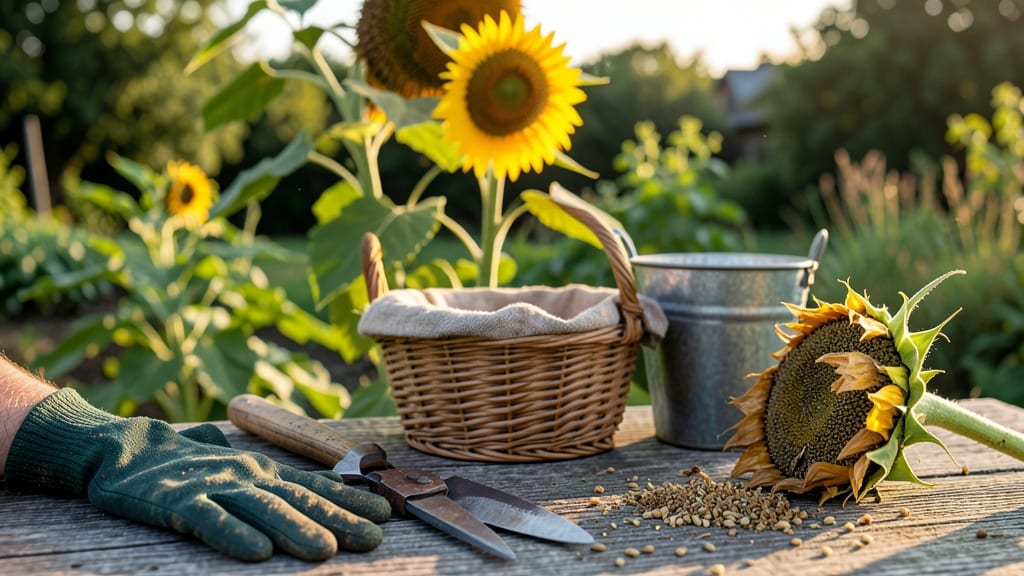
How are sunflowers harvested? The wrong timing can turn your hard work into bitter seeds or wasted blooms—so getting it right is everything. Whether you're growing 🌻 for seeds, oil, or just the beauty of their towering heads, knowing exactly when to cut them makes all the difference. The key is watching for those telltale signs: dried petals, heavy seed heads, and seeds that rattle when shaken.
You don’t need fancy tools to get started, but a few basics—like sharp pruners and a clean workspace—will save you headaches later. From small home gardens to larger plots, the right approach ensures you maximize your yield without losing quality.
Let’s break down the simple steps to harvest sunflowers perfectly, so you end up with seeds that taste great and store well.
One common mistake? Harvesting too early or too late—both ruin the flavor and oil content of your seeds. I’ll show you how to spot the ideal moment and avoid these pitfalls, whether you’re dealing with a single plant or a whole field.
By the end, you’ll know exactly when to cut, how to dry them properly, and even how to store your harvest for months to come.
Ready to turn your sunflowers into a bountiful harvest? The process is easier than you think, and with these tips, you’ll never second-guess when to pick again. Let’s get those 🌻 heads off the stalk the right way!
When to harvest sunflowers for maximum seed quality
Timing is everything when harvesting sunflowers for maximum seed quality. The difference between bitter, unusable seeds and rich, flavorful harvests often comes down to a few days—or even hours.
I’ve learned that waiting too long risks seed loss to birds or pests, while harvesting too early means bland, underdeveloped seeds. Let’s break down the critical indicators to nail the perfect harvest window.
First, focus on the back of the flower head. When the petals dry and turn brown, it’s a clear sign the seeds are maturing. The seed heads should also feel heavy and dry—not light or green.
If you shake the head and hear seeds rattling inside, that’s your cue. These visual and tactile cues tell you the seeds are ready for harvest with optimal oil content and taste.
Environmental factors also play a role. Cool nights and warm days speed up maturation, while consistent humidity can delay drying. In my experience, harvesting in the early morning after dew has evaporated helps prevent mold.
If you’re in a dry climate, seeds may dry faster, so keep an eye on them daily. Moisture content should be below 10% for long-term storage.
Here’s a quick visual checklist I use to confirm readiness:
- Petals are dry and falling off
- Seed heads are brown and heavy
- Seeds rattle when shaken
- Back of head turns yellow-brown
| Stage | Visual Indicators | Seed Condition | Action |
|---|---|---|---|
| Early Bloom | Petals fully open, vibrant yellow | Seeds soft, green, not developed | Wait 60-75 days |
| Late Bloom | Petals dry, turning brown | Seeds firm, brown, rattling | Harvest immediately |
| Overripe | Petals fallen, head dry and brittle | Seeds loose, may scatter | Harvest before birds/pests |
| Ideal Harvest Window | Back turns yellow-brown, petals dry | Moisture <10%, seeds plump | Cut stems, dry indoors |
For edible seeds, aim to harvest when the back of the head turns yellow-brown. This stage ensures seeds are fully developed but not overripe. If you’re growing sunflowers for oil production, wait until the seed heads feel heavy and dry—this maximizes oil content.
I’ve found that variety matters: giant sunflowers like ‘Mammoth’ take longer to mature than dwarf varieties like ‘Teddy Bear.’
Don’t overlook the seed firmness test. Press a seed between your fingers—it should feel hard and dry, not soft or moist. If it’s still slightly pliable, give it a few more days.
For large-scale harvesting, I recommend checking a few heads daily starting around day 75 after planting. This helps you time the harvest efficiently and avoid missing the window.
Environmental factors like humidity and temperature can shift your harvest timeline. In high-humidity areas, seeds may take longer to dry, so monitor them closely. If frost threatens before seeds are ready, harvest the heads early and dry them indoors.
The ideal temperature for drying is between 70-80°F—too hot or cold can affect seed quality.
Once you’ve confirmed the seeds are ready, act quickly. Use sharp pruners or shears to cut the stems, leaving a few inches attached. Hang the heads upside down in a well-ventilated, dry space to finish drying. This step is crucial for preventing mold and ensuring long-term storage.
If you’re in a hurry, you can speed up drying by placing heads in a 60°F oven for 1-2 hours, but monitor them closely to avoid overheating.
Pro tip: If you’re harvesting for bird feeders, you can leave the heads on the plants slightly longer—the seeds will be harder and more durable. For edible seeds, though, precision is key.
The sweet spot is when the seeds are brown, firm, and rattling—this guarantees the best flavor and texture. With practice, you’ll develop an eye for the perfect moment to harvest.
Remember, every sunflower variety has slight variations in maturity. Dwarf varieties like ‘Sunspot’ may be ready in 60-70 days, while tall varieties like ‘Russian Giant’ can take up to 120 days.
Always check your seed packet for specific guidelines and adjust your timeline accordingly. The more you harvest, the better you’ll recognize the subtle signs of readiness.
Finally, store your
Essential tools and techniques for sunflower harvesting
Harvesting sunflowers efficiently starts with the right tools and techniques. Whether you're working with a handful of plants or a full field, having the proper equipment makes the process smoother and ensures your seeds stay viable.
I’ve learned that sharp pruners and durable gloves are non-negotiables—trust me, thorny stems don’t play nice with bare hands!
For small-scale gardeners, a pair of bypass pruners (like Felco’s F-2) is ideal for clean cuts without crushing the stems. If you’re dealing with larger plants or multiple rows, consider a harvesting sickle or even a serrated knife for precision.
Don’t forget a bucket or basket with a lid to collect your heads—this keeps them protected from pests and debris while you work.
How are sunflowers harvested? The process varies slightly depending on your goals. If you’re after seeds for eating or oil, you’ll want to harvest when the back of the head turns yellow-brown and the seeds rattle inside. For flower heads for decor, cut them when the petals are fully open but still vibrant. Here’s a breakdown of the steps you’ll need:
- 1 Choose the right time: Harvest seeds when the back of the head turns yellow-brown and petals dry out. For greens, pick when heads are half-open.
- 2 Use clean tools: Sterilize pruners with rubbing alcohol to prevent disease spread. Wear gardening gloves to protect against thorns.
- 3 Cut stems properly: Leave 2-3 inches of stem attached to help with drying. Cut at a 45-degree angle to increase surface area.
- 4 Dry heads thoroughly: Hang heads upside down in a well-ventilated area (like a garage or barn) for 2-3 weeks. Avoid direct sunlight to prevent mold.
- 5 Store seeds correctly: Once dry, rub seeds from heads and store in airtight containers (like glass jars) in a cool, dark place for up to 1 year.
For large-scale harvesting, consider using a harvesting platform or even a tractor-mounted header if you’re dealing with acres. These tools speed up the process and reduce physical strain. Just remember: timing is everything. Harvest in the morning when dew is low to minimize moisture and prevent mold during drying.
Pro tip: If you’re harvesting for bird feeders, leave some heads on the stalk until fully dry—birds will do the rest of the work for you! For edible seeds, aim for a moisture content below 10% before storing. Use a hygrometer to test if you’re unsure.
Once your sunflowers are harvested and dried, store them in a cool, dark place like a pantry or root cellar. Label your containers with the harvest date to keep track of freshness. With these techniques, you’ll enjoy high-quality seeds all year round—no wasted effort or bitter surprises!