
Planting
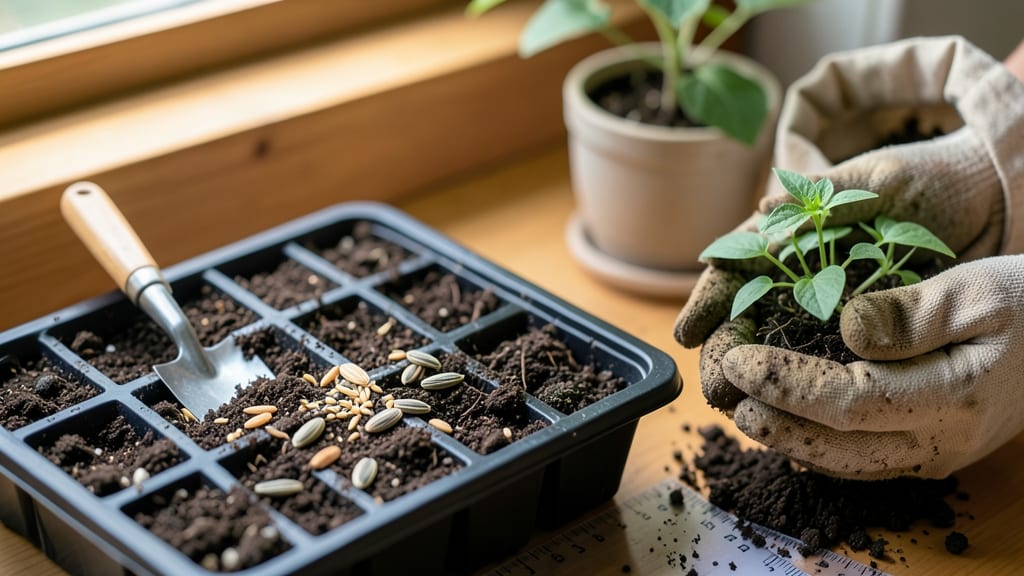
Optimal flower seed planting depths by seed size (expert guide)
Getting the seed depth right is one of the most overlooked factors in successful flower gardening.
While most seed packets suggest a general rule—plant seeds at a depth equal to 2-3 times their diameter—this guideline varies wildly depending on whether you're planting tiny petunia seeds or large marigold seeds.
The wrong depth can starve seeds of light or suffocate them with too much soil, leading to poor germination rates.
Science shows that seed size directly impacts optimal planting depth. Tiny seeds like snapdragons or cosmos need barely any soil coverage, while larger seeds like sunflowers or beans require deeper planting.
Even the moisture retention of your soil type plays a role—sandy soils dry out faster, while clay holds moisture longer, requiring slight depth adjustments.
Here’s the golden rule I follow: Small seeds = shallow planting, large seeds = deeper planting. The table below breaks down exact depths for common flowers, along with pro tips to maximize germination. Use these as your go-to reference before your next planting session!
🌱
For container gardening, I always adjust depths slightly shallower—especially for small seeds. Containers dry out faster, so keeping seeds closer to the surface helps them access moisture without drowning. If you’re planting in clay soil, which compacts easily, loosen the top 2 inches first to prevent suffocation.
Another trick I use is the "finger test": After planting, press the soil gently around the seed. It should feel firm but not compacted. For delicate seeds like orchids or poppies, I often skip covering entirely and just press them into the soil surface.
These seeds need light to germinate, so burying them risks failure.
If you’re unsure about a specific flower, check the seed packet for species-specific instructions. Some seeds, like lobelia, actually need to be lightly pressed into moist soil without covering. Others, like dahlia tubers, require 2-3 inches of depth.
Always err on the side of shallower planting—you can always add more soil later, but you can’t dig up a seed that’s buried too deep!
Proper depth isn’t just about the seed—it’s also about soil temperature. Cooler soils (below
5 Common mistakes that kill flower seeds before germination
Even the most experienced gardeners can accidentally sabotage flower seeds before they ever sprout—often by planting them at the wrong depth. Too shallow, and seeds dry out; too deep, and they struggle to reach light. The good news?
These mistakes are easy to fix once you know the science behind seed germination. Let’s break down the most common depth-related errors and how to avoid them for your petunias, marigolds, and other favorites.
I’ve seen gardeners bury tiny cosmos seeds too deep, thinking they need more protection, only to watch them rot before sprouting. On the flip side, others barely scratch the soil surface with lobelia seeds, leaving them exposed to drying winds.
Both approaches starve seeds of their best chance to thrive. The key is understanding how seed size, soil type, and container gardening all influence the ideal planting depth.
For most flower seeds, the general rule is to plant them at a depth equal to 2-3 times their diameter. But this rule changes when you’re working with clay soil (which can suffocate seeds) or sandy soil (which dries out too quickly).
Container gardens also require adjustments because they lack the moisture retention of in-ground beds. Let’s dive into the five biggest mistakes—and how to correct them for your specific growing conditions.
Planting seeds too deep is the silent killer of germination. When seeds are buried beyond their energy reserves, they can’t push through the soil to reach light.
For example, tiny impatiens seeds (which are less than 1mm wide) should only be pressed into the top 1/8 inch of soil—not buried under 1/2 inch. Larger seeds like sunflower can handle 1-2 inches of depth, but even they suffer if planted deeper.
Fix it: Use your finger to create a shallow furrow or gently press seeds into the soil surface. For containers, a light sprinkle of vermiculite (not soil) can help hold tiny seeds in place without smothering them.
Mistake #1: Ignoring seed size leads to over-planting. I once watched a beginner bury zinnia seeds (which are about 1/8 inch wide) at a full 1/2 inch depth. The result? Zero sprouts. Tiny seeds need barely any soil coverage—just enough to block out light and prevent drying.
Larger seeds, like marigolds or dahlias, can handle deeper planting because they store more energy in their seed coats. Always check the seed packet for specifics, but remember: small seeds = shallow planting.
Mistake #2: Skipping soil prep in heavy clay or sandy soil. Clay soil compacts easily, trapping seeds too deep and suffocating them. Sandy soil, meanwhile, drains too quickly, leaving seeds exposed and parched. Before planting, loosen the top 2-3 inches of soil and mix in compost to improve texture.
For clay, add perlite or sand; for sand, incorporate peat moss or coconut coir. This adjustment can mean the difference between 50% germination and 90%.
Mistake #3: Overcrowding in containers. Container gardens often suffer from seeds planted too close together and too deep. When space is limited, gardeners might press seeds into the soil more firmly to "save room," but this increases depth and reduces airflow.
For containers, plant seeds at the recommended depth but space them twice as far apart as you would in garden beds. Thin seedlings later if needed—it’s better to start sparse than overcrowded.
Mistake #4: Planting at inconsistent depths. Uneven soil can cause some seeds to end up too shallow while others are buried too deep. To avoid this, use a leveling board or your hand to create a smooth, even planting surface.
For containers, fill them with a soil-less mix (like coconut coir and perlite) to ensure uniform depth. Even a 1/4-inch difference can determine whether your pansies sprout or fail.
Mistake #5: Not adjusting for moisture. Seeds planted too shallow in dry conditions will dry out before germinating, while those planted too deep in soggy soil may rot.
If your area has low humidity, press seeds into barely moist soil and cover them with a light layer of vermiculite to retain moisture. In high-humidity climates, ensure good drainage by adding coarse sand to the soil mix.
Always water gently after planting—never use a hose or you’ll wash seeds away.
By avoiding these five mistakes, you’ll give your flower seeds the best possible start. Remember: depth matters more than you think. Whether you’re growing annuals for summer color or perennials for years of blooms, mastering the right planting depth will save you time, money, and frustration. Happy planting!