
Flowers
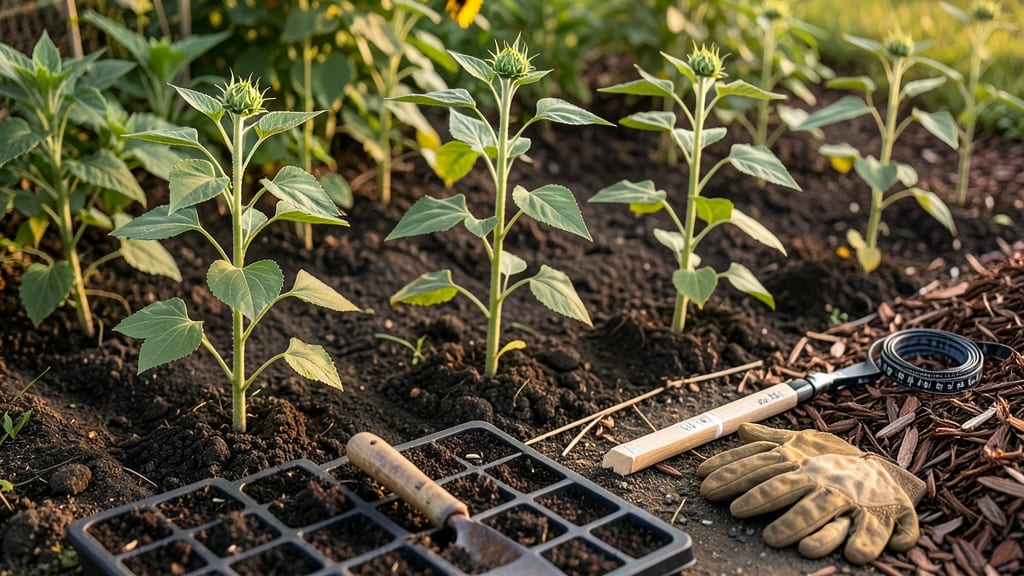
How far apart should sunflowers be planted? If you’ve ever watched your sunflower garden turn into a crowded, shadowy mess, you know the struggle—stunted growth, weak stems, and fewer of those show-stopping 🌻 blooms you love. The right spacing isn’t just about looks; it’s the key to strong, thriving plants that reach their full potential in zone 6a. I’ve learned the hard way that packing sunflowers too closely might save space, but it steals their sunlight and nutrients, leaving them fighting for survival. Whether you’re growing dwarf varieties for containers or towering giants for cut flowers, proper spacing ensures they develop robust roots and soak up the sun they crave. Let’s break down the ideal distances—from 12 inches for petite varieties to 3 feet for giants—to help your sunflowers grow tall, healthy, and stunning. From adjusting spacing for different climates to fitting more plants in small gardens without sacrificing health, we’ll cover all the tricks. Ready to turn your garden into a sunflower paradise where every plant gets the room it needs to shine? Whether you’re a seasoned gardener or just starting out, these spacing secrets will help you avoid common mistakes and enjoy a bountiful harvest from July through October.
Sunflower spacing guidelines by variety: chart for optimal growth and sunlight
Sunflowers thrive when given the right amount of space to stretch toward the sun and develop strong roots. The spacing requirements vary dramatically between dwarf varieties (1-3 feet tall) and giant sunflowers (10+ feet tall).
Planting too closely leads to stunted growth, pest issues, and reduced sunlight exposure, while giving them too much room wastes garden space. Let’s break down the ideal distances for each type to maximize your sunflower’s potential.
Most sunflower varieties fall into three main categories: dwarf, medium, and giant. Each category has specific spacing needs based on their mature height and growth habit.
For example, a dwarf sunflower like ‘Teddy Bear’ needs minimal space, while a giant variety like ‘Mammoth’ requires ample room to avoid crowding. Understanding these differences ensures your sunflowers grow tall, healthy, and vibrant.
Here’s the key rule: taller sunflowers need more space—not just for their height but for their root systems and air circulation. A 12-foot sunflower planted too close to another will compete for nutrients and sunlight, leading to weak stems and fewer blooms.
Meanwhile, dwarf varieties can handle closer planting, making them perfect for containers or small gardens.
For dwarf sunflowers, like ‘Little Becka’ or ‘Moulin Rouge,’ you can plant them as close as 6 inches apart in well-drained soil. These varieties are perfect for container gardening or border plantings where space is limited.
Just ensure they get at least 6 hours of sunlight daily to prevent leggy growth. In containers, use a 5-gallon pot for each plant to avoid root competition.
Medium-height sunflowers, such as ‘Autumn Beauty’ or ‘ProCut,’ strike a balance between space efficiency and height. These varieties typically reach 3–6 feet tall and thrive when planted 12–18 inches apart. This spacing allows enough room for their root systems to expand while keeping the garden looking full.
If you’re growing them in containers, opt for 10-gallon pots to accommodate their larger size.
When it comes to standard and giant sunflowers, like ‘Russian Giant’ or ‘Mammoth,’ spacing becomes critical. These towering beauties can reach 10–16 feet tall and need 24–36 inches between plants to prevent overcrowding.
Planting them too closely can lead to weak stems that snap under their own weight or disease pressure from poor air circulation. Always stake these varieties early to provide support as they grow.
Another factor to consider is your garden layout. If you’re planting sunflowers in rows, space them 18–24 inches apart within the row and 2–3 feet apart between rows. This arrangement ensures even sunlight exposure and makes maintenance tasks like weeding and watering much easier.
For a naturalistic look, try clustering dwarf varieties together and placing taller sunflowers at the back of your garden bed.
Pro tip: If you’re growing sunflowers for seed production, increase the spacing to 36 inches apart to reduce competition and improve seed quality. This extra room allows the plants to develop larger, healthier heads with more seeds.
It’s also a good idea to thin seedlings once they’re a few inches tall to avoid overcrowding before they even get started.
Finally, remember that soil quality and sunlight play a huge role in how well your sunflowers grow. Even with perfect spacing, poor soil or shaded conditions can stunt their growth.
Amend your soil with compost before planting and choose a location with full sun exposure (6+ hours daily) for the best results. With the right spacing, your sunflowers will reward you with vibrant blooms and towering stems that bring joy to your garden.
Why proper spacing matters: sunlight, soil, and sunflower health
Sunflowers thrive when they have room to stretch their leaves toward the sun and develop deep, strong roots. When planted too closely, they compete for nutrients and sunlight, leading to weak stems and fewer blooms.
I’ve seen crowded sunflowers lean dramatically, struggling to reach the light, while properly spaced plants grow straight and proud, soaking up 6-8 hours of sunlight daily.
Poor spacing also creates a breeding ground for fungal diseases like powdery mildew. Crowded plants trap moisture, reducing air circulation and giving pests and pathogens an easy entry point. Even the hardiest sunflower varieties can succumb to stress when forced to grow in tight quarters.
Here’s the critical factor: spacing directly impacts root development. Sunflowers need room to spread their roots 12-24 inches deep for stability. When roots tangle with neighbors, they struggle to access water and nutrients, stunting growth and reducing your harvest of vibrant blooms.
⚠️ Common Mistake: Overcrowding Sunflowers
Planting sunflowers 12 inches or closer than their mature width is a recipe for disaster. Even dwarf varieties need at least 12 inches of space, while giant sunflowers require 2-3 feet between plants. Overcrowding leads to:
- Stunted growth from competing for sunlight
- Weak stems that snap in wind or rain
- Increased pests (like aphids) in crowded areas
- Poor air flow that invites fungal diseases
Pro Tip:
Use a spacing chart by variety—dwarf sunflowers (1-3 ft tall) need 12 inches, while giants (6-16 ft) require 24-36 inches.
Let’s talk about soil health, too. Proper spacing allows soil to replenish nutrients between plants. When sunflowers are packed tightly, the soil around each plant becomes depleted faster, forcing them to compete for limited resources.
This is especially true in container gardens, where space is limited and soil nutrients drain quickly.
Another key benefit of proper spacing is easier maintenance. You’ll avoid the frustration of tangled stems when harvesting seeds or cutting flowers. Plus, well-spaced sunflowers are less prone to lodging (falling over), which means fewer broken stems and more time enjoying their golden blooms.
For maximum sunflower health, aim for 18-24 inches between medium varieties and 3 feet for giants. This ensures each plant gets the sunlight, air, and nutrients it needs to grow strong and vibrant—just like the sunflowers in my garden that reach 10 feet tall every summer!