
Propagation
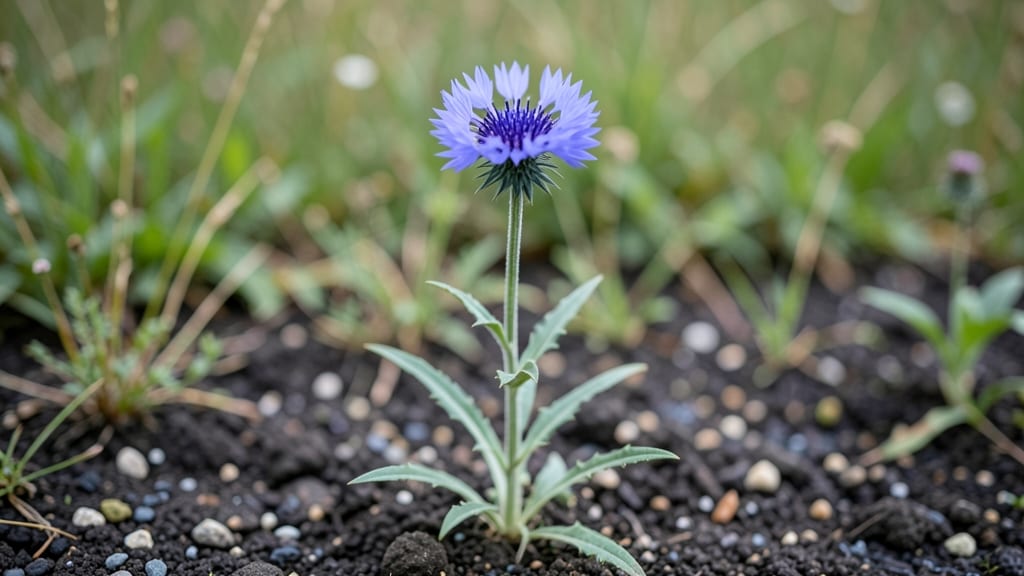
If you’ve ever planted cornflower seeds hoping to understand how long do cornflowers take to grow from seed into those vibrant blue blooms, you’re not alone—patience and the right knowledge are key to success.
Cornflowers are fast-growing annuals, but their journey from seed to those stunning 🌸 blooms takes about 75-90 days under ideal conditions. The first stage—germination—happens in just 5-14 days, but many beginners overlook the small details that make all the difference.
In this guide, I’ll break down each stage—from the first sprouts to the fully open flowers—so you know exactly what to expect. We’ll cover soil prep, sunlight needs, and even how spacing affects growth, ensuring your cornflowers thrive without the guesswork.
Whether you’re growing them for cut flowers or to attract pollinators, these insights will help you enjoy a colorful garden in no time. Let’s get started!

Cornflower seed germination timeline: when and how to expect sprouts
Cornflower seeds (Centaurea cyanus) are known for their fast germination and hardy nature, but knowing exactly when to expect those first tiny green sprouts can ease the waiting game.
Most gardeners see germination within 7–14 days under ideal conditions, though cooler temperatures or dry soil can stretch this timeline to 3–4 weeks. The key is creating the perfect environment—warm soil, consistent moisture, and sunlight—to encourage quick and uniform sprouting.
If you’ve planted seeds in early spring or late summer, you might notice slower germination due to cooler soil temperatures. Cornflowers thrive in 60–75°F soil, so using a seedling heat mat or planting after the last frost can give your seeds a head start.
I’ve found that starting seeds indoors in biodegradable pots (like those made from coconut coir) helps maintain warmth and moisture until they’re ready for transplanting outdoors.
Here’s a quick breakdown of what to expect during the first 14 days of germination, along with the ideal conditions to set your seeds up for success:
| Stage | Timeframe | What to Expect | Key Conditions |
|---|---|---|---|
| Day 1–3 | Initial Soaking | Seeds absorb moisture, swelling slightly. | Keep soil damp, not soggy. |
| Day 4–7 | Radicle Emerges | First root (radicle) breaks through seed coat. | Maintain 60–75°F soil. |
| Day 7–10 | Shoot Pushes Up | Sprout (hypocotyl) emerges, reaching for light. | Place near bright light (no direct sun yet). |
| Day 10–14 | First True Leaves | Seedlings develop lance-shaped leaves (not cotyledons). | Thin to 12 inches apart if overcrowded. |
| Day 15–21 | Seedling Hardening | Plants grow 2–3 inches tall, ready for transplant. | Acclimate to outdoor temps gradually. |
One common mistake I see is overwatering during germination, which can lead to rotten seeds or mold. Cornflower seeds need consistent moisture but not a soggy environment. I recommend using a spray bottle to mist the soil lightly every 2–3 days until sprouts appear.
Once you see those first tiny green shoots, reduce watering slightly to prevent damping-off disease.
Another factor that can delay germination is old or low-quality seeds. Always opt for fresh seeds (from the current or previous year) for the best results. I like to store my seeds in a cool, dry place (like the fridge) to maintain viability.
If you’re using seeds older than 2 years, soak them overnight in lukewarm water to encourage faster germination.
If your seeds haven’t sprouted after 21 days, don’t give up just yet. Cornflowers are resilient, and sometimes they need a little extra patience. Check the soil temperature with a thermometer—if it’s below 55°F, your seeds may still be dormant.
In this case, consider covering the soil with black plastic or a cloche to warm it up naturally.
Once your cornflower sprouts appear, they’ll grow rapidly if given the right conditions. Within 4–6 weeks, you’ll start seeing buds forming, and by 8–10 weeks, you’ll be rewarded with those vibrant blue blooms that attract pollinators.
The secret to success? Patience and consistency—just like with any other garden favorite.
🌱
From seedling to flowering: growth stages and timeframes explained
Once your cornflower seeds have sprouted—usually within 5-14 days—the real magic begins. The journey from tiny seedling to blooming beauty unfolds in distinct stages, each with its own milestones. Understanding these phases helps you provide the right care and anticipate when those vibrant blue blooms will appear.
Cornflowers are fast growers, but their progress depends on factors like sunlight exposure, soil quality, and watering consistency. By week 3, your seedlings will start developing their first true leaves, signaling they’re ready for the next phase of growth.
Let’s break down what to expect at each stage and how to support your plants for the best results.
By week 11-12, your cornflowers will reward you with full, vibrant blooms that attract pollinators and add a pop of color to your garden. Pay attention to their height milestones—if your plants seem stunted, check for adequate sunlight or nutrient deficiencies.
A quick fix is to transplant them to a sunnier spot or add compost to the soil.
To accelerate growth, I recommend mulching around the base to retain moisture and water deeply in the morning to prevent fungal diseases. Avoid overwatering, as cornflowers are drought-tolerant once established. With the right care, you’ll enjoy a continuous display of blooms from early summer until fall.
Cornflowers are self-seeding, so you might even spot new seedlings the following year! This makes them a low-maintenance perennial in many climates. If you’re growing them for cut flowers, harvest stems when buds are just beginning to open—they’ll last 5-7 days in a vase.