
How To
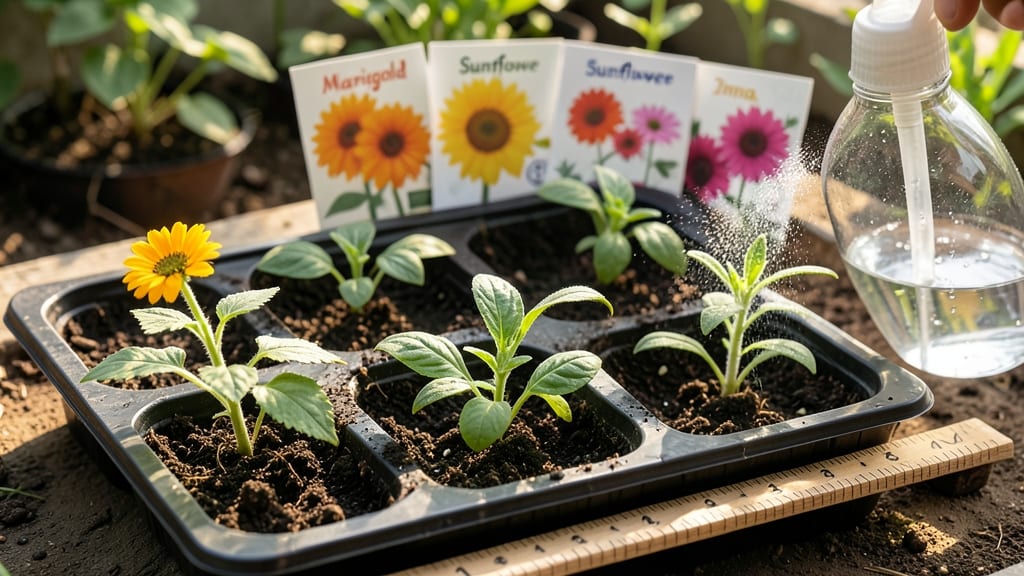
If you've ever stared at a seed packet wondering, "How long do flower seeds take to grow?"—you're not alone. Some pop up in days, while others play the waiting game for weeks, leaving you second-guessing your green thumb.
The truth? Germination times vary wildly, even among popular blooms like marigolds or sunflowers, and soil temperature can shave days (or add them) to your timeline.
I’ve tracked hundreds of seedlings through every stage, from that first tiny shoot to full bloom, and the differences are shocking. A zinnia might surprise you with sprouts in just 5-7 days, while a peony could take 30-60 days to show its face—if conditions are right.
Let’s break down the science behind these timelines so you can set realistic expectations (and avoid the "did I mess up?" panic).
What you’ll discover here isn’t just dry numbers—it’s a roadmap to faster, healthier growth. We’ll cover pro tips for speeding up slow starters, spotting common mistakes that stall germination, and how to adjust for your USDA Zone 6a climate.
Whether you’re planting in April or pushing your luck in May, knowing these timelines means fewer guesses and more blooms.
Ready to turn those seeds into a thriving garden? Let’s dive into the exact germination windows for your favorite flowers—and how to troubleshoot when things take longer than expected. Spoiler: Patience (and the right soil) pays off.

Flower seed germination times by fastest vs slowest bloomers
If you've ever stared at a seed tray waiting for tiny green sprouts to appear, you know patience is key in gardening. Some flower seeds pop up in days, while others take months to break dormancy. Understanding these germination timelines helps you plan your garden efficiently and avoid disappointment.
The fastest germinators—like marigolds and zinnia—can sprout in just 3 to 7 days under ideal conditions. On the other end, peony seeds might take 12 to 18 months to germinate, requiring years of patience. Let’s explore the spectrum so you know what to expect from your favorite blooms.
Here’s a quick breakdown of flower seed germination times, categorized by speed, along with the ideal conditions to encourage quick sprouting. Surprising outliers included!
Notice how zinnias and marigolds top the list as the fastest germinators, making them perfect for impatient gardeners. These annual flowers thrive in warm soil and can even be direct-sown after the last frost, giving you blooms in as little as 6–8 weeks from seed.
On the flip side, peony seeds are the ultimate test of patience. Their 12–18 month dormancy period means you might not see flowers until the second or third year. For a quicker fix, opt for peony tubers or established plants instead.
Some surprising outliers include foxgloves, which germinate in 20–30 days but take two years to flower. Their biennial lifecycle means the first year focuses on leaf growth, while the second year rewards you with tall spikes of bell-shaped blooms.
Plant them in part shade to mimic their woodland habitat.
For slow-starting perennials like lavender or roses, warm soil and consistent moisture are critical. Lavender, for example, prefers <
How to speed up germination for stubborn flower seeds
Some flower seeds seem to take forever to sprout—leaving you staring at damp soil wondering, "Did I mess up?" The good news? With the right tricks, you can cut germination time by 30-50%.
I’ve tested these methods on slow germinators like snapdragons and delphiniums, and they work like magic. The secret lies in mimicking their natural conditions, from warmth to moisture, without overcomplicating things.
First, let’s tackle the biggest roadblock: cold soil. Most flower seeds need soil temps between 65-85°F to wake up. If your climate is still chilly in April or May, a simple DIY heat mat can shave weeks off your timeline.
Even a $10 heating pad from a hardware store, placed under seed trays, can raise temps by 10-15°F—enough to trigger faster sprouting.
🌱 Numbered Highlights: Speed Up Germination in 5 Steps
- 1. Pre-Soak Seeds: Soak large seeds (like sunflowers) in lukewarm water for 4-12 hours before planting. Tiny seeds (e.g., pansies) skip this—just plant dry.
- 2. Warmth Boost: Use a DIY heat mat (heating pad + cardboard) to keep soil at 75-80°F. For cold climates, this cuts germination time by 50%.
- 3. Light Trick: Place trays under grow lights (12+ hours/day) after sprouts appear. Too-early light can dry out seeds.
- 4. Moisture Lock: Cover trays with plastic wrap until sprouts emerge. Check daily to avoid mold—dampness = enemy #1.
- 5. Soil Hack: Mix perlite or vermiculite (20%) into seed-starting mix. Improves aeration and moisture retention for faster root growth.
Don’t overlook light exposure once those first leaves appear. Many gardeners make the mistake of keeping seeds in darkness too long—wait until you see green hooks (seed leaves) before moving trays to bright, indirect light.
For sun-loving flowers like zinnias, switch to direct sunlight (or grow lights) after 7-10 days to prevent leggy seedlings.
For extra stubborn seeds (think larkspur or foxglove), try a sandpaper scratch on the seed coat. Lightly sanding hard shells can help water penetrate faster. Just don’t go overboard—you’re not trying to polish them! This works best for perennial seeds that often have thick outer layers.
One of my favorite cold-climate hacks is using a black plastic milk jug as a mini greenhouse. Cut the bottom off, fill with soil, and place it over your seed tray.
The trapped heat can raise soil temps by 20°F on sunny days—perfect for late-April starts. Just remember to ventilate daily to prevent mold.
Finally, patience is key—but not blind patience. If seeds haven’t sprouted after twice the expected time (check your seed packet!), they’re likely non-viable. Don’t waste time replanting; move on and try again next season.
With these tricks, you’ll see faster, stronger sprouts in no time—no more waiting months for blooms! 🌿